Best Sleeping Positions During Pregnancy: Trimester-Wise Guide
August 17, 2026
Getting good sleep tends to get harder as pregnancy moves along. If you're wondering how to sleep better during pregnancy, understanding what your body is going through in each trimester can genuinely help you rest easier and wake up feeling less worn out.
This guide walks through it trimester by trimester, covering what's normal along the way and what's worth keeping an eye on.
Why Sleep Position Matters During Pregnancy?
Pregnant women often face difficulty getting sleep as the pregnancy progresses. Their bodies may undergo several changes that can lead to back pain, heartburn, pressure on the hips and breathlessness.
From the second trimester, most doctors recommend sleeping on your side[1.1]. This position is usually more comfortable and supports healthy blood circulation.
What Is the Best Sleeping Position During Pregnancy?
Choosing the right pregnancy sleeping position is essential as your uterus begins to grow. Pregnant women are typically advised to sleep on their left side, as this is a good way to promote adequate blood flow through the inferior vena cava (IVC), a long vein running parallel to the spine and carrying blood to the heart and fetus.
Additionally, sleeping on the left side takes pressure off your liver and your kidneys. This mainly translates to more room for proper function, helping with swelling in your feet, ankles, and hands.
Sleeping on your right side is generally safe too, though it may carry a slightly higher risk of compressing the inferior vena cava compared to the left. For most people, it really comes down to personal comfort, and either side works fine for healthy sleep.
Trimester‑Wise Pregnancy Sleeping Positions
Many people wonder which sleeping position is best during the first trimester and the subsequent trimesters. Here's a table to help you understand that:
| Trimester | Sleeping Position |
|
First Trimester (0-12 weeks) |
During early pregnancy, the uterus is still small in size and protected within the pelvis. In this period, any sleeping position that you find comfortable and relaxing, like sleeping either on your back or on your stomach, does not bring about any harm to your baby or your body. Mostly, during this period, the most important thing is for you to be able to have sufficient rest to recuperate from fatigue and hormonal changes. |
|
Second Trimester (13-27 weeks) |
Once you hit the second trimester, the uterus grows out of the pelvis, and your posture can start affecting your comfort and circulation. By now, your doctor may tell you to sleep on your side. This improves blood flow to your kidneys and uterus, helping the placenta to function and reducing fluid retention. Many women find that if they stick to sleeping on their side, their back pain goes down and the quality of their sleep goes up. Some back sleeping may occasionally happen, especially during the early stages of the second trimester. But your body will gradually signal that it's uncomfortable, and you'll shift positions on your own. |
|
Third Trimester (28 weeks to delivery) |
In the third trimester, you need to be more careful about your sleeping position. Sleeping on your left side prevents pressure from being exerted on your large blood vessels, hence improving the flow of blood to your placenta. In addition, it makes breathing easier, reduces leg swelling and relieves back pain. |
Wrong Sleeping Positions During Pregnancy (Positions to Avoid)
Waking up on your back or in some other position isn't something to panic about. Most people shift positions naturally, several times a night, without even noticing. Still, a couple of positions become less comfortable as pregnancy advances.
Sleeping on your back:
Lying flat on your back for long stretches during the second and third trimesters can press on major blood vessels, which sometimes leaves women feeling dizzy, breathless, or just uncomfortable. If that happens, roll onto your side.
Sleeping on your stomach:
This is generally fine early on, but as your bump grows, it naturally stops being comfortable, and most women drop the habit without even trying to.
Don't worry about the position you wake up in. Just aim to fall asleep on your side each night.
How to Sleep Comfortably During Pregnancy
A few small changes can make a real difference, even on the nights you're waking up more than you'd like:
- Prop yourself up with a pregnancy pillow, or just a couple of regular ones, to support your abdomen, knees, and lower back.
- Go for a mattress that keeps your spine aligned properly.
- If heartburn's an issue, skip the heavy meals, spicy food, and caffeine close to bedtime.
- Try to stick to the same bedtime and wake time every day.
- Gentle stretching or relaxation exercises before bed can help too, as long as your doctor's given the go-ahead.
If your sleep troubles stick around even after trying all this, it's worth getting checked out. Those in Hyderabad can book an appointment at Apollo Cradle, widely known as the best pregnancy hospital in Hyderabad, for comprehensive and timely care.
Sleep Positions for Common Pregnancy Discomforts
Different discomforts need slightly different fixes. Here's what tends to help:
- Back pain: Sleep on your side and tuck a pillow between your knees. It keeps your spine in line and eases the pressure on your lower back.
- Heartburn: Skip lying down right after meals, and prop your head and upper body up with a couple of pillows.
- Hip pain: A pillow between your knees while side-sleeping takes the pressure off your hips.
- Shortness of breath: Struggling to lie flat? Two extra pillows to prop yourself up usually do the trick.
- Leg cramps: Prop your legs up with a pillow and stretch your calves before bed, as it helps cut down on those nighttime cramps.
- Pelvic pain: Pillows under your abdomen and between your legs take pressure off your pelvis and make sleeping more comfortable overall.
The Bottom Line
Quality sleep matters, both for you and your growing baby, and your sleeping position plays a real part in getting there. Side sleeping is the generally recommended approach as pregnancy progresses, but you don't need to stay in one position the whole night. Fall asleep on your side, use pillows for support, and don't worry if you shift positions.
If sleep issues stick around or something feels off, your obstetrician is the right person to talk to. If you are currently living in Bangalore, you can visit Apollo Cradle, one of the best hospitals for pregnancy in Bangalore, as they offer personalised guidance throughout your pregnancy.
Yes, the way you sleep can affect your baby’s movement. If you’re lying on your back, it can press on blood vessels, particularly in the third trimester. It can restrict the supply of blood and oxygen to your baby.
Yes, poor sleep can have a big effect on labour and delivery. Research indicates that women sleeping less than 6 hours per night have longer active labours and are more likely to need a caesarean section.
Yes, it is safe. Pillows provide non-invasive support to your body that may result in reduced back and hip pain.
Our Doctors
DR. PRAMEELA SEKHAR
MBBS, DGO, DNB...
| Experience | : | 30 Years |
|---|---|---|
| Speciality | : | Obstetrics & Gynecol... | Location | : | Kondapur |
| Timings | : | Mon, Wed, Fri & Sat ... |

DR. MAMATHA BM
MBBS, DGO, DNB (OBGY...
| Experience | : | 29 Years |
|---|---|---|
| Speciality | : | Obstetrics & Gynecol... | Location | : | Koramangala |
| Timings | : | Visiting Consultant... |
DR. JYOTHI RAJESH
MBBS, DGO, DNB...
| Experience | : | 20 Years |
|---|---|---|
| Speciality | : | Obstetrics & Gynecol... | Location | : | Koramangala |
| Timings | : | Mon - 12:00PM -01:00... |
DR. SNEHA NAVEEN
MBBS,DNB...
| Experience | : | 14 Years |
|---|---|---|
| Speciality | : | Obstetrics & Gynecol... | Location | : | Koramangala |
| Timings | : | Visiting Consultant... |
DR. MEENU ARORA
MBBS, DGO, DNB...
| Experience | : | 23 Years |
|---|---|---|
| Speciality | : | Obstetrics & Gynecol... | Location | : | Abadi Court Road |
| Timings | : | Mon, Tue, Wed, Fri &... |
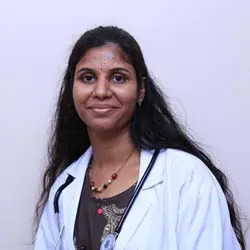
DR. SUNEETHA GUDIPATI
MBBS, MD, MRCOG...
| Experience | : | 15 Years |
|---|---|---|
| Speciality | : | Obstetrics & Gynecol... | Location | : | Kondapur |
| Timings | : | Tue : 9:00 AM to 11:... |
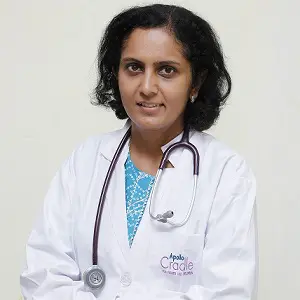
DR. SHILPA VENKATESH
MBBS,MRCOG...
| Experience | : | 14 Years |
|---|---|---|
| Speciality | : | Obstetrics & Gynecol... | Location | : | Koramangala |
| Timings | : | Visiting Consultant... |
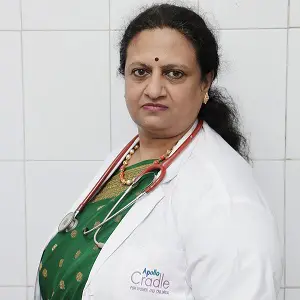
DR. SHOBHA V
MBBS,DGO,ICMCH,MSASM...
| Experience | : | 26 Years |
|---|---|---|
| Speciality | : | Obstetrics & Gynecol... | Location | : | Koramangala |
| Timings | : | Visting Consultant... |
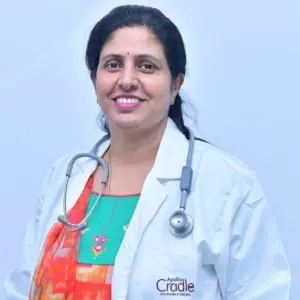
DR. SUDHAMANI M D
MBBS,MD OBG...
| Experience | : | 28 Years |
|---|---|---|
| Speciality | : | Obstetrics & Gynecol... | Location | : | Koramangala |
| Timings | : | Visiting Consultant... |
DR. SUGUNA REDDY
MBBS,DGO...
| Experience | : | 23 Years |
|---|---|---|
| Speciality | : | Obstetrics & Gynecol... | Location | : | Koramangala |
| Timings | : | Mon, Wed & Sat : 5.3... |
DR. VIMEE BINDRA
MBBS, M.D (Obs & Gyn...
| Experience | : | 7 Years |
|---|---|---|
| Speciality | : | Obstetrics & Gynecol... | Location | : | Jubilee Hills |
| Timings | : | Mon - Sat : On Call... |

DR. SHANTHI REDDY
MBBS, M.D (Obs & Gyn...
| Experience | : | 23 Years |
|---|---|---|
| Speciality | : | Obstetrics & Gynecol... | Location | : | Jubilee Hills |
| Timings | : | Mon - Sat : On Call... |

DR. JASMIN RATH
MD, OBG, SENIOR CONS...
| Experience | : | 16 Years |
|---|---|---|
| Speciality | : | Obstetrics & Gynecol... | Location | : | Jubilee Hills |
| Timings | : | ON CALL... |
DR. ROOMA SINHA
MBBS, M.D,DNB;MNAMS...
| Experience | : | 22 Years |
|---|---|---|
| Speciality | : | Obstetrics & Gynecol... | Location | : | Jubilee Hills |
| Timings | : | ON CALL... |
DR. NEERA KIRPAL
MBBS, DGO...
| Experience | : | 42 Years |
|---|---|---|
| Speciality | : | Obstetrics & Gynecol... | Location | : | Abadi Court Road |
| Timings | : | Mon - Sat : 11:00 AM... |
DR. SITA SHARMA
MBBS, MD...
| Experience | : | 17 Years |
|---|---|---|
| Speciality | : | Obstetrics & Gynecol... | Location | : | Abadi Court Road |
| Timings | : | Mon - Sat : 12:00 PM... |
DR. SUJATA SHARMA
MBBS, MD, DGO, FICOG...
| Experience | : | 37+ Years |
|---|---|---|
| Speciality | : | Obstetrics & Gynecol... | Location | : | Abadi Court Road |
| Timings | : | Mon - Sat : 10:00 AM... |
DR. PHANI MADHURI
MBBS, MS, Diploma in...
| Experience | : | 11 Years |
|---|---|---|
| Speciality | : | Obstetrics & Gynecol... | Location | : | Koramangala |
| Timings | : | Mon - Sat : 02:00 PM... |
DR. DEEPA DUREJA
MBBS, MD (Obst & Gyn...
| Experience | : | 30 Years |
|---|---|---|
| Speciality | : | Obstetrics & Gynecol... | Location | : | Chirag Enclave |
| Timings | : | Wed : 05:00 PM to 07... |
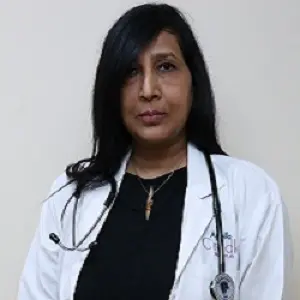
DR. MANJU AGARWAL
MBBS, DGO, FICOG...
| Experience | : | 25 Years |
|---|---|---|
| Speciality | : | Obstetrics & Gynecol... | Location | : | Moti Nagar |
| Timings | : | Mon & Thur : 05:00 P... |
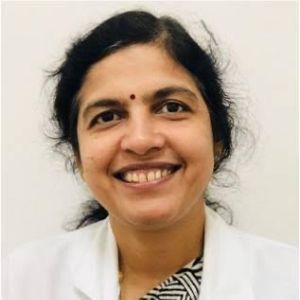
DR. ANURADHA PANDA
MD, DGO, FICOG...
| Experience | : | 22 Years |
|---|---|---|
| Speciality | : | Obstetrics & Gynecol... | Location | : | Jubilee Hills |
| Timings | : | On Call... |
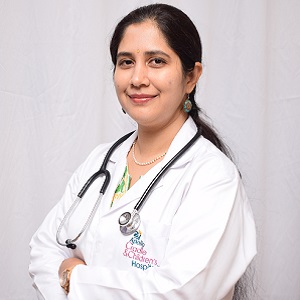
DR. JOSHITHA NAIK
MBBS, DGO, DNB...
| Experience | : | 15 Years |
|---|---|---|
| Speciality | : | Obstetrics & Gynecol... | Location | : | Jayanagar |
| Timings | : | Mon to Sat : 6:00 PM... |

DR. APOORVA PALLEM REDDY
MBBS, MS, DNB...
| Experience | : | 10 Years |
|---|---|---|
| Speciality | : | Obstetrics & Gynecol... | Location | : | Jayanagar |
| Timings | : | Mon, Wed, Fri : 4:00... |
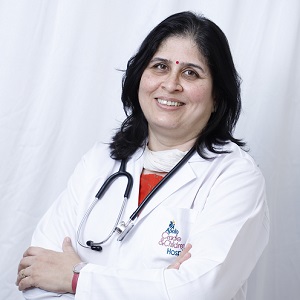
DR. SHILPA S APTE
MBBS, DGO...
| Experience | : | 21 Years |
|---|---|---|
| Speciality | : | Obstetrics & Gynecol... | Location | : | Jayanagar |
| Timings | : | Thu/Sat : 01:00PM - ... |
DR. PADMASRI V
MBBS, MD ...
| Experience | : | 22 Years |
|---|---|---|
| Speciality | : | Obstetrics & Gynecol... | Location | : | Jayanagar |
| Timings | : | Mon - Sat : 03:00PM ... |
DR. (PROF.) CHITRA RAMAMURTHY
MBBS, MD - Obstetric...
| Experience | : | 37 Years |
|---|---|---|
| Speciality | : | Obstetrics & Gynecol... | Location | : | Jayanagar |
| Timings | : | Mon to Sat : On Call... |
DR SESHIREKHA DANDAMUDI
MBBS: MD (OBG & GYN)...
| Experience | : | 25 Years |
|---|---|---|
| Speciality | : | Obstetrics & Gynecol... | Location | : | Kondapur |
| Timings | : | Mon - Sat : 10:00 A... |
DR. V. RAMYA KRISHNA
MBBS, MRCOG, PGDMNC,...
| Experience | : | 19 Years |
|---|---|---|
| Speciality | : | Obstetrics & Gynecol... | Location | : | Brookefield |
| Timings | : | Mon - Sat : 6:00 PM ... |
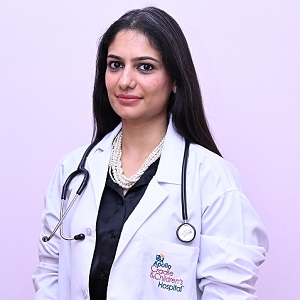
DR. NAMRATA NAGENDRA
MBBS, MS ...
| Experience | : | 15 Years |
|---|---|---|
| Speciality | : | Obstetrics & Gynecol... | Location | : | Koramangala |
| Timings | : | Mon - Sat : 10:30 AM... |
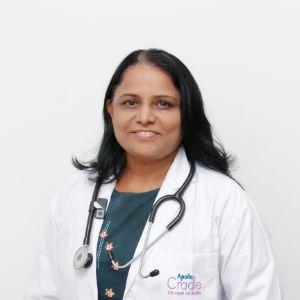
DR. SUGUNA REDDY
MBBS, DGO...
| Experience | : | 23 Years |
|---|---|---|
| Speciality | : | Obstetrics & Gynecol... | Location | : | HSR layout 2nd Sector |
| Timings | : | Mon - Sat: 8:30 PM t... |
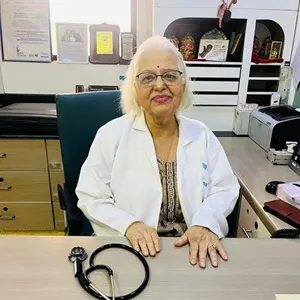
DR. SHAKTIBHAN KHANNA
MBBS, MD, FAMS, FIAM...
| Experience | : | 46 Years |
|---|---|---|
| Speciality | : | Obstetrics & Gynecol... | Location | : | Chirag Enclave |
| Timings | : | Mon - 10:00AM - 12:0... |

DR. RITU
MBBS, MS (Obstetrics...
| Experience | : | 14 Years |
|---|---|---|
| Speciality | : | Obstetrics & Gynecol... | Location | : | Sector-82 |
| Timings | : | Mon to Sat : 12:00 P... |
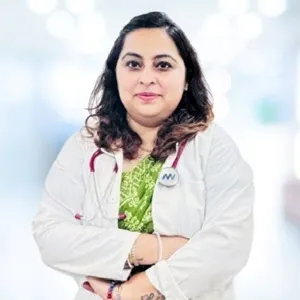
DR. HARPREET KAUR
MBBS, MS (Obs & Gyna...
| Experience | : | 14 Years |
|---|---|---|
| Speciality | : | Obstetrics & Gynecol... | Location | : | Sector-82 |
| Timings | : | Mon to Sat : 9:00 AM... |

DR. PARGYA RICHA
MBBS, MS( Obs and Gy...
| Experience | : | 14 Years |
|---|---|---|
| Speciality | : | Obstetrics & Gynecol... | Location | : | Sector-14 |
| Timings | : | Mon to Sat : 5:00 PM... |
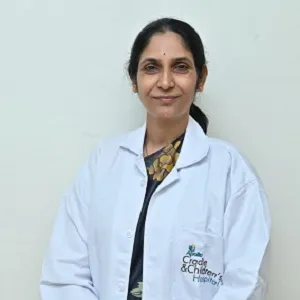
DR. ANDAL REDDY
DGO, DNB, FICOG, FIC...
| Experience | : | 22 Years |
|---|---|---|
| Speciality | : | Obstetrics & Gynecol... | Location | : | Kondapur |
| Timings | : | Tue & thur : On Call... |
DR. PRAMEELA SEKHAR. K
DGO, DNB (OBG)...
| Experience | : | 17 Years |
|---|---|---|
| Speciality | : | Obstetrics & Gynecol... | Location | : | Jubilee Hills |
| Timings | : | Mon to Sat : 11:30 A... |
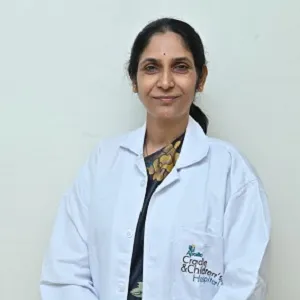
DR. ANDAL REDDY
DGO, DNB, FICOG, FIC...
| Experience | : | 22 Years |
|---|---|---|
| Speciality | : | Obstetrics & Gynecol... | Location | : | Jubilee Hills |
| Timings | : | Mon - Sat : 10:00 AM... |
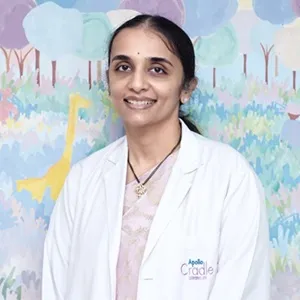
DR. SWATHI GOGINENI
MBBS, MS (OBG), DNB ...
| Experience | : | 16 Years |
|---|---|---|
| Speciality | : | Obstetrics & Gynecol... | Location | : | Jubilee Hills |
| Timings | : | Mon - Sat : 10:00 AM... |

DR. MYTHRI SHARAN
MBBS, DGO, DNB ...
| Experience | : | 8 Years |
|---|---|---|
| Speciality | : | Obstetrics & Gynecol... | Location | : | Jubilee Hills |
| Timings | : | Mon - Sat : 10:30 AM... |
DR. SRI HARIKA BONAM
MBBS, MS (OBG) DNB, ...
| Experience | : | 16 Years |
|---|---|---|
| Speciality | : | Obstetrics & Gynecol... | Location | : | Jubilee Hills |
| Timings | : | Mon - Sat : 11:00 AM... |
DR. SOWMYA SAMPURNA .M
MBBS, MS (OBG) FMAS...
| Experience | : | 9 Years |
|---|---|---|
| Speciality | : | Obstetrics & Gynecol... | Location | : | Jubilee Hills |
| Timings | : | Mon - Sat : 5:00 PM ... |
DR. MADHUMATHI SANJAY
MD...
| Experience | : | 29 Years |
|---|---|---|
| Speciality | : | Obstetrics & Gynecol... | Location | : | Jubilee Hills |
| Timings | : | Tue, Thur & Sat : 11... |
DR. SUNITHA ILINANI
MBBS, MD (OBG)...
| Experience | : | 23 Years |
|---|---|---|
| Speciality | : | Obstetrics & Gynecol... | Location | : | Jubilee Hills |
| Timings | : | Mon - Sat : 09:00 AM... |
DR. MEENAKSHI R KAMATH
MBBS, DGO...
| Experience | : | 30 Years |
|---|---|---|
| Speciality | : | Obstetrics & Gynecol... | Location | : | Jayanagar |
| Timings | : | Mon, Wed, Fri & Sat ... |
DR. DIVYA WADHAWAN
MBBS, DNB Obstetrics...
| Experience | : | 14+ Years |
|---|---|---|
| Speciality | : | Obstetrics & Gynecol... | Location | : | Chirag Enclave |
| Timings | : | Mon - Sat : 4:00 PM ... |

DR. MAMTA GOEL
DNB, DGO, MD...
| Experience | : | 17 Years |
|---|---|---|
| Speciality | : | Obstetrics & Gynecol... | Location | : | Chirag Enclave |
| Timings | : | Tue, Thur & Sat : 01... |
DR. SEEMA THERAJA
MBBS, MD (OBG)...
| Experience | : | 28 Years |
|---|---|---|
| Speciality | : | Obstetrics & Gynecol... | Location | : | Moti Nagar |
| Timings | : | Mon & Wed : 10:00 AM... |
DR. POONAM BEHAL
MS (Obs & Gynae), Ma...
| Experience | : | 23 Years |
|---|---|---|
| Speciality | : | Obstetrics & Gynecol... | Location | : | Moti Nagar |
| Timings | : | Mon & Thur : 10:00 A... |
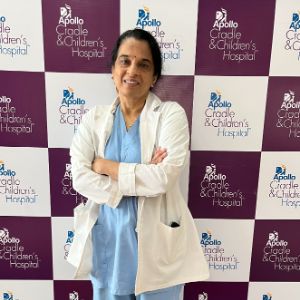
DR. SADHNA GUPTA
MBBS, MD...
| Experience | : | 35 Years |
|---|---|---|
| Speciality | : | Obstetrics & Gynecol... | Location | : | Moti Nagar |
| Timings | : | Tue : 11:00 AM to 12... |
DR. ISHA KHURANA VASHISHT
MBBS, MS - Obstetric...
| Experience | : | 14 Years |
|---|---|---|
| Speciality | : | Obstetrics & Gynecol... | Location | : | Moti Nagar |
| Timings | : | Wed : 4:00 PM to 6:0... |
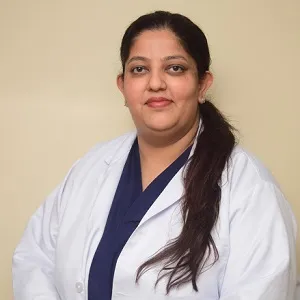
DR. DEEPTI SOOD HANDA
MBBS, DGO...
| Experience | : | 10 Years |
|---|---|---|
| Speciality | : | Obstetrics & Gynecol... | Location | : | Moti Nagar |
| Timings | : | Mon & Thur : 5:00 PM... |
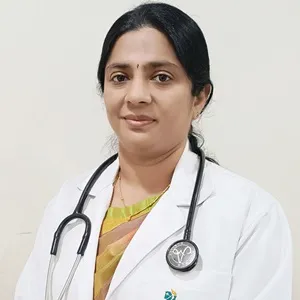
DR. B M RAMYA THULASI
MBBS, MS(OBG), DGO, ...
| Experience | : | 14 Years |
|---|---|---|
| Speciality | : | Obstetrics & Gynecol... | Location | : | Rajajinagar |
| Timings | : | Mon - Sat : 09:00 AM... |
DR. PREETINDER KAUR BEDI
MBBS, MD (OBGYN), DN...
| Experience | : | 22 Years |
|---|---|---|
| Speciality | : | Obstetrics & Gynecol... | Location | : | Moti Nagar |
| Timings | : | Thur : 10:00 AM to 0... |
DR. MONIKA GHULIANI
MBBS, MS...
| Experience | : | 16 Years |
|---|---|---|
| Speciality | : | Obstetrics & Gynecol... | Location | : | Chirag Enclave |
| Timings | : | Tue, Thur & Sat : 5:... |
DR. NANDINI MUPPIDI
MBBS, MS OBGY...
| Experience | : | 10 Years |
|---|---|---|
| Speciality | : | Obstetrics & Gynecol... | Location | : | Kondapur |
| Timings | : | Mon - Sat : 12:00 PM... |
DR. PHANI MADHURI
MBBS, MS - Obstetric...
| Experience | : | 20 Years |
|---|---|---|
| Speciality | : | Obstetrics & Gynecol... | Location | : | Jayanagar |
| Timings | : | Mon - Sat : 02:30 PM... |
DR. NEELIMA KANTH T
MBBS, MS-Obstetrics ...
| Experience | : | 23+ Years |
|---|---|---|
| Speciality | : | Obstetrics & Gynecol... | Location | : | Jubilee Hills |
| Timings | : | Mon - Sat : 10:00AM ... |

DR. AYESHA SHARIEF
MBBS,MRCOG...
| Experience | : | 16 Years |
|---|---|---|
| Speciality | : | Obstetrics & Gynecol... | Location | : | Koramangala |
| Timings | : | Visiting Consultant... |

DR. PUNITA ARORA
MBBS, MD(Gyane/Obs)...
| Experience | : | 45 Years |
|---|---|---|
| Speciality | : | Obstetrics & Gynecol... | Location | : | Sector-14 |
| Timings | : | Mon to Sat : 9:00 AM... |

DR. SADHNA SHARMA
MBBS, MD (Gynae & Ob...
| Experience | : | 20 Years |
|---|---|---|
| Speciality | : | Obstetrics & Gynecol... | Location | : | Sector-14 |
| Timings | : | Mon to Sat : 10:00 A... |

DR. SHEELA GAUR
MBBS, DGO...
| Experience | : | 16 Years |
|---|---|---|
| Speciality | : | Obstetrics & Gynecol... | Location | : | Sector-14 |
| Timings | : | Mon : 9:00 AM to 1:0... |

DR. SWATI CHHABRA
MBBS, DGO, DNB - (Ob...
| Experience | : | 12 Years |
|---|---|---|
| Speciality | : | Obstetrics & Gynecol... | Location | : | Sector-82 |
| Timings | : | Tue to Sat: 9:00 AM ... |

DR. SWATI CHHABRA
MBBS, DGO, DNB - (Ob...
| Experience | : | 12 Years |
|---|---|---|
| Speciality | : | Obstetrics & Gynecol... | Location | : | Sector-14 |
| Timings | : | Mon to Sat : 5:00 PM... |

DR. NIRMALA KRISHNAN
MBBS, MS (Gynae & Ob...
| Experience | : | 35 Years |
|---|---|---|
| Speciality | : | Obstetrics & Gynecol... | Location | : | Sector-14 |
| Timings | : | Mon to Sun : 4:00 PM... |

DR. ANJALI BUGGA
MBBS, MS (Gynae & Ob...
| Experience | : | 34 Years |
|---|---|---|
| Speciality | : | Obstetrics & Gynecol... | Location | : | Sector-14 |
| Timings | : | Mon : 11:00 AM - 1:0... |

DR. VIJAY WALI
MBBS, MD (Gynae & Ob...
| Experience | : | 32 Years |
|---|---|---|
| Speciality | : | Obstetrics & Gynecol... | Location | : | Sector-14 |
| Timings | : | Mon, Wed & Fri : 11:... |

DR. AMRAPALI DIXIT
MBBS, MS (Ob & Gynae...
| Experience | : | 21 Years |
|---|---|---|
| Speciality | : | Obstetrics & Gynecol... | Location | : | Sector-82 |
| Timings | : | Mon - Sat : 11:00 AM... |

DR. SEEMA SANTOSH
MBBS, DGO...
| Experience | : | 16 Years |
|---|---|---|
| Speciality | : | Obstetrics & Gynecol... | Location | : | Sector-82 |
| Timings | : | Sat : 4 PM - 6 PM... |
DR. RITU CHOUDHARY
MBBS, MS, FMAS Lead ...
| Experience | : | 17 Years |
|---|---|---|
| Speciality | : | Obstetrics & Gynecol... | Location | : | Electronic City |
| Timings | : | Mon to Sat : 9:30 AM... |
DR. POORNIMA RAMAKRISHNA
MBBS, MS (Obs& Gyn) ...
| Experience | : | 17 Years |
|---|---|---|
| Speciality | : | Obstetrics & Gynecol... | Location | : | Jayanagar |
| Timings | : | Mon - Fri : 10:00 AM... |
DR. MAMATHA DEVI S
She has completed MB...
| Experience | : | 33 Years |
|---|---|---|
| Speciality | : | Obstetrics & Gynecol... | Location | : | Koramangala |
| Timings | : | Tue : 01:00 PM to 02... |
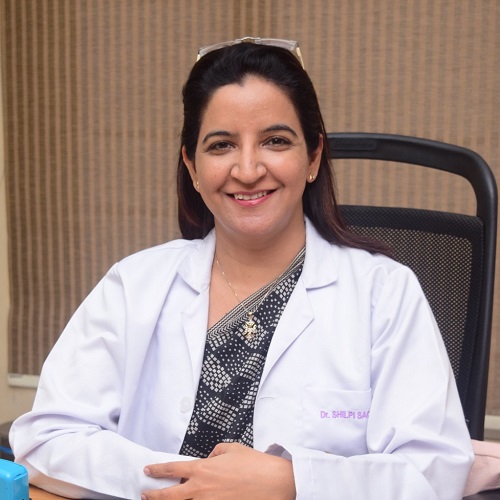
DR. SHILPI SACHDEV
MBBS, DNB, DMAS...
| Experience | : | 22 Years |
|---|---|---|
| Speciality | : | Obstetrics & Gynecol... | Location | : | Moti Nagar |
| Timings | : | Mon & Wed : 10:00 AM... |
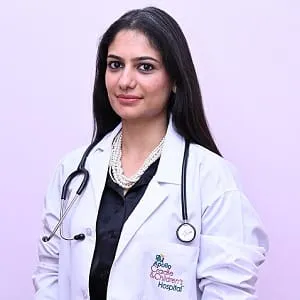
DR. NAMRATA NAGENDRA
MBBS, MS- Obstetrics...
| Experience | : | 16 Years |
|---|---|---|
| Speciality | : | Obstetrics & Gynecol... | Location | : | Electronic City |
| Timings | : | Mon to Sat : 10:00 A... |
DR. MAYURI AHUJA
MBBS, DNB, DGO...
| Experience | : | 14 Years |
|---|---|---|
| Speciality | : | Obstetrics & Gynecol... | Location | : | Greater Noida |
| Timings | : | Mon to Sat : 04:00 P... |
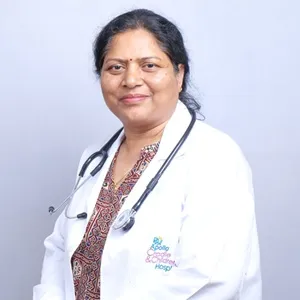
DR. KANTI SAHU
MBBS, DGO, DNB (OBGY...
| Experience | : | 23 Years |
|---|---|---|
| Speciality | : | Obstetrics & Gynecol... | Location | : | Brookefield |
| Timings | : | Mon - Fri : 02:00 PM... |
DR. KAVITHA V REDDY
MBBS, DGO...
| Experience | : | 19 Years |
|---|---|---|
| Speciality | : | Obstetrics & Gynecol... | Location | : | Brookefield |
| Timings | : | Mon to Sat : 09:00 A... |
DR. TEJASWINI D
MBBS, DGO, DNB (OBG)...
| Experience | : | 11+ Years |
|---|---|---|
| Speciality | : | Obstetrics & Gynecol... | Location | : | Koramangala |
| Timings | : | On Call... |

DR. HEMAVATHI SRINIVASAN
MBBS, DNB (OBG), FFM...
| Experience | : | 22 Years |
|---|---|---|
| Speciality | : | Obstetrics & Gynecol... | Location | : | Koramangala |
| Timings | : | Mon - Sat : 05:00 PM... |

DR. JEEVA P BAL
MBBS...
| Experience | : | 13+ Years |
|---|---|---|
| Speciality | : | Obstetrics & Gynecol... | Location | : | Koramangala |
| Timings | : | On call... |
DR. SAHITI M
MBBS, MS - Obstetric...
| Experience | : | 10+ Years |
|---|---|---|
| Speciality | : | Obstetrics & Gynecol... | Location | : | Koramangala |
| Timings | : | Mon to Sat : On Call... |
DR. RITU TIWARI
MBBS, DNB...
| Experience | : | 25 Years |
|---|---|---|
| Speciality | : | Obstetrics & Gynecol... | Location | : | Indirapuram |
| Timings | : | Fri : 02:00 PM to 04... |
DR. DHIVYAMBIGAI RAJENDRAN
MBBS., DNB(OG)., FMA...
| Experience | : | 15+ Years |
|---|---|---|
| Speciality | : | Obstetrics & Gynecol... | Location | : | Karapakkam |
| Timings | : | Mon - Sat : 11:00 ... |
DR. RAJSRI J SHANKAR
MBBS, MRCOg (UK)...
| Experience | : | 30+ Years |
|---|---|---|
| Speciality | : | Obstetrics & Gynecol... | Location | : | Karapakkam |
| Timings | : | Mon - Sat : 11:30 AM... |
DR. SINDHU BHARGAVI
MBBS, DNB(OG), MRCOG...
| Experience | : | 20+ Years |
|---|---|---|
| Speciality | : | Obstetrics & Gynecol... | Location | : | Karapakkam |
| Timings | : | Mon - Sat : 11:00 AM... |
DR. JANANI IYER
MBBS, MD, MRCOG(UK),...
| Experience | : | 25+ Years |
|---|---|---|
| Speciality | : | Infertility Speciali... | Location | : | Karapakkam |
| Timings | : | Mon, Wed & Fri : 10:... |
DR. AMUDHA HARI
MBBS, DGO, PHD, Dip ...
| Experience | : | 35+ Years |
|---|---|---|
| Speciality | : | Obstetrics & Gynecol... | Location | : | Karapakkam |
| Timings | : | Mon to Sat : 10:30 A... |
DR. KARTHIGA DEVI
MBBS, MS(OG)...
| Experience | : | 20+ Years |
|---|---|---|
| Speciality | : | Obstetrics & Gynecol... | Location | : | Karapakkam |
| Timings | : | Mon - Sat : 11:00 AM... |
DR. NITHIYAA JEYAKUMAR
MBBS, DGO, DNB(OG), ...
| Experience | : | 18+ Years |
|---|---|---|
| Speciality | : | Obstetrics & Gynecol... | Location | : | Karapakkam |
| Timings | : | Mon - Sat : 12:30 PM... |
DR. SHAILZA VARDHAN
MBBS - S.N Medical C...
| Experience | : | 11 Years |
|---|---|---|
| Speciality | : | Obstetrics & Gynecol... | Location | : | Greater Noida |
| Timings | : | Mon to Sat : 4:00 PM... |
DR. GEETA CHADHA
MBBS, MD...
| Experience | : | 41 Years |
|---|---|---|
| Speciality | : | Obstetrics & Gynecol... | Location | : | Chirag Enclave |
| Timings | : | Mon - Sat : 10:00 AM... |
DR. RANJANA SHARMA
MS, MRCOG (UK), FROG...
| Experience | : | 36 Years |
|---|---|---|
| Speciality | : | Obstetrics & Gynecol... | Location | : | Chirag Enclave |
| Timings | : | Mon - Fri : 10:00 AM... |
DR. POOJA CHOUDHARY
MBBS, MD...
| Experience | : | 20 Years |
|---|---|---|
| Speciality | : | Obstetrics & Gynecol... | Location | : | Chirag Enclave |
| Timings | : | Mon to Sat : 11:00 A... |
DR. POONAM MISRA
MBBS, DGO, MRCOG...
| Experience | : | 40 Years |
|---|---|---|
| Speciality | : | Obstetrics & Gynecol... | Location | : | Chirag Enclave |
| Timings | : | Mon - Sat : 4:00 PM ... |
DR. POONAM TARA
MBBS, MD, MRCOG PART...
| Experience | : | 25 Years |
|---|---|---|
| Speciality | : | Obstetrics & Gynecol... | Location | : | Chirag Enclave |
| Timings | : | Tue, Wed & Fri: 09:0... |

DR. MEENAKSHI T. SAHU
MBBS, MD, DNB, MRCOG...
| Experience | : | 20 Years |
|---|---|---|
| Speciality | : | Obstetrics & Gynecol... | Location | : | Chirag Enclave |
| Timings | : | Mon - Sat : 6:00 PM ... |
DR. RUSHDA RIAZ
MBBS, DGO, F. MAS, D...
| Experience | : | 13 Years |
|---|---|---|
| Speciality | : | Obstetrics & Gynecol... | Location | : | Indirapuram |
| Timings | : | Mon,Wed & Sat : 09:0... |
DR. SEEMA SHARMA
MBBS MD (OBGYN)...
| Experience | : | 24 Years |
|---|---|---|
| Speciality | : | Obstetrics & Gynecol... | Location | : | Abadi Court Road |
| Timings | : | Mon to Sat : 10:00 A... |
DR. RUCHI TANDON
MBBS, MS...
| Experience | : | 15+ Years |
|---|---|---|
| Speciality | : | Laparoscopic Surgeon... | Location | : | Chirag Enclave |
| Timings | : | Mon - Sat : 10:00 AM... |
DR. SWETHA CHANDRASEKAR
MBBS, MS(OG),FMAS,Fe...
| Experience | : | 14+ Years |
|---|---|---|
| Speciality | : | Obstetrics & Gynecol... | Location | : | Karapakkam |
| Timings | : | Mon to Sat : 11:00 A... |
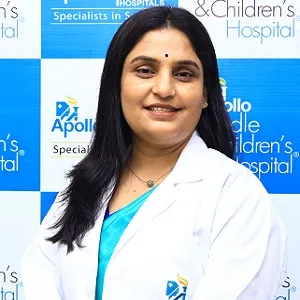
DR. ANSHU RAINA
MBBS, MD...
| Experience | : | 18 Years |
|---|---|---|
| Speciality | : | Obstetrics & Gynecol... | Location | : | Greater Noida |
| Timings | : | Mon - Sat : 9:00 AM ... |
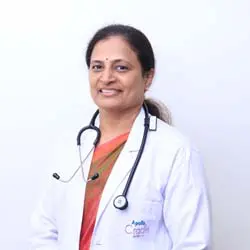
DR. MAHITA REDDY A
MBBS, MD (OBS & GYN)...
| Experience | : | 30+ Years |
|---|---|---|
| Speciality | : | Obstetrics & Gynecol... | Location | : | Jubilee Hills |
| Timings | : | Mon, Wed, Fri & Sat ... |

DR. ANU JOESPH
MBBS, DNB...
| Experience | : | 18+ Years |
|---|---|---|
| Speciality | : | Fetal Medicine/Obste... | Location | : | Electronic City |
| Timings | : | Mon to Sat : 4:00 PM... |
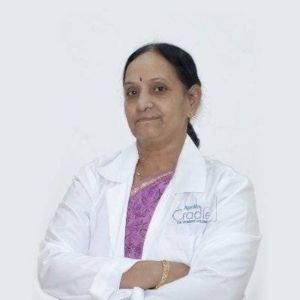
DR. VIJAYA MANOHAR
MBBS, MD (OBG)...
| Experience | : | 36 Years |
|---|---|---|
| Speciality | : | Obstetrics & Gynecol... | Location | : | Koramangala |
| Timings | : | Mon to Sat : 10:30 A... |
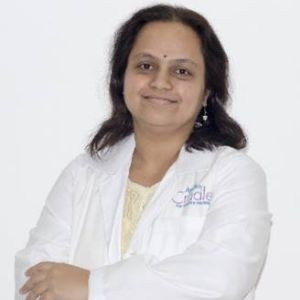
DR. POORNIMA RAMAKRISHNA
MBBS, MS (Obs& Gyn) ...
| Experience | : | 17 Years |
|---|---|---|
| Speciality | : | Obstetrics & Gynecol... | Location | : | Koramangala |
| Timings | : | Mon to Fri : 3:00 PM... |
DR. PRAJUAL HEGDE S
MBBS, MD (OBG)...
| Experience | : | 23 Years |
|---|---|---|
| Speciality | : | Obstetrics & Gynecol... | Location | : | Koramangala |
| Timings | : | Mon to Fri : 2:00 PM... |
DR. NAGARATHNA DS
MBBS, DGO...
| Experience | : | 28 Years |
|---|---|---|
| Speciality | : | Obstetrics & Gynecol... | Location | : | Koramangala |
| Timings | : | Mon to Sat : 12:00 P... |
DR. KRISHNA SHAW
MBBS, DGO...
| Experience | : | 20 Years |
|---|---|---|
| Speciality | : | Obstetrics & Gynecol... | Location | : | Koramangala |
| Timings | : | Sun : 3:30 PM to 5:0... |
DR. THEJASWINI PATIL
MBBS,MD,FEDM,Endocri...
| Experience | : | 20 Years |
|---|---|---|
| Speciality | : | Obstetrics & Gynecol... | Location | : | Koramangala |
| Timings | : | Mon, Wed & Fri : 2:0... |
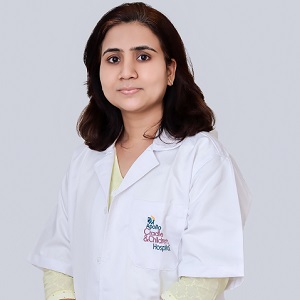
DR. NIVEDITA JHA
MBBS (KGMC, Lucknow)...
| Experience | : | 12 Years |
|---|---|---|
| Speciality | : | Obstetrics & Gynecol... | Location | : | Koramangala |
| Timings | : | Mon to Sat : 6:30 PM... |

DR. SHILPA APTE
MBBS, DGO...
| Experience | : | 21 Years |
|---|---|---|
| Speciality | : | Obstetrics & Gynecol... | Location | : | Koramangala |
| Timings | : | Mon, Wed, Fri & Sat ... |

DR. ARTI YADAV
MBBS, MS (Obs& Gynec...
| Experience | : | 14 Years |
|---|---|---|
| Speciality | : | Obstetrics & Gynecol... | Location | : | Greater Noida |
| Timings | : | Mon - Sat : 10:00 AM... |
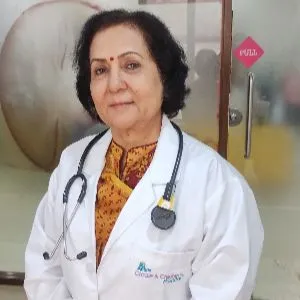
DR. SUMAN KHARBANDA
MBBS, MS - Obstetric...
| Experience | : | 36 Years |
|---|---|---|
| Speciality | : | Obstetrics & Gynecol... | Location | : | Moti Nagar |
| Timings | : | Mon/Tue/Thur & Fri :... |
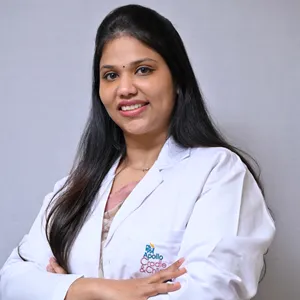
DR. JAKKA SAI MANASA REDDY
MBBS, MS - Obstetric...
| Experience | : | 13 Years |
|---|---|---|
| Speciality | : | Obstetrics & Gynecol... | Location | : | Brookefield |
| Timings | : | Mon, Wed, Thur & Fri... |
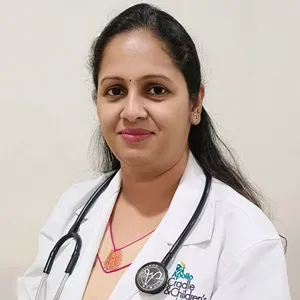
DR. ANANYA RANGASWAMY
MBBS, MS(OBG), Speci...
| Experience | : | 13 Years |
|---|---|---|
| Speciality | : | Obstetrics & Gynecol... | Location | : | Rajajinagar |
| Timings | : | Mon - Sat : 9:00 AM ... |
DR. GARIMA JAIN
MBBS, DNB, CIMP, CGC...
| Experience | : | 20 Years |
|---|---|---|
| Speciality | : | Obstetrics & Gynecol... | Location | : | Brookefield |
| Timings | : | Mon & Fri : 09:00 AM... |
DR. APARNA JHA
MBBS, MS, DNB (OBGY)...
| Experience | : | 20 Years |
|---|---|---|
| Speciality | : | Obstetrics & Gynecol... | Location | : | Brookefield |
| Timings | : | Mon, Tue, Thu & Fri ... |
DR. SWETHA R V
MBBS, DNB(OBG)...
| Experience | : | 6 Years |
|---|---|---|
| Speciality | : | Obstetrics & Gynecol... | Location | : | Rajajinagar |
| Timings | : | Mon - Sat : 11:00 AM... |

PROF. DR. BHARATHI RAJANNA
MBBS, MD(OBG), FMAS,...
| Experience | : | 35 Years |
|---|---|---|
| Speciality | : | Obstetrics & Gynecol... | Location | : | Rajajinagar |
| Timings | : | Mon - Sat : 11:30 AM... |
DR. VANGALLU PADMINI SILPA
DGO DNB MNAMS FMAS...
| Experience | : | 16 Years |
|---|---|---|
| Speciality | : | Obstetrics & Gynecol... | Location | : | Kondapur |
| Timings | : | Mon - Sat : 10:00 AM... |
DR. JASMIN RATH
MBBS, MD...
| Experience | : | 16 Years |
|---|---|---|
| Speciality | : | Obstetrics & Gynecol... | Location | : | Kondapur |
| Timings | : | Mon - Sat : 09:00 AM... |
DR. SRI LAKSHMI DURGA MARRIVADA
MBBS, DNB, (OBGY)...
| Experience | : | 5 Years |
|---|---|---|
| Speciality | : | Obstetrics & Gynecol... | Location | : | Kondapur |
| Timings | : | Mon - Sat : 1:00 PM ... |
DR. PADMAVATHI P
MBBS, DGO, DNB...
| Experience | : | 8 Years |
|---|---|---|
| Speciality | : | Obstetrics & Gynecol... | Location | : | Kondapur |
| Timings | : | Mon to Sat : 12:00 P... |
DR. JAYA AGARWAL
MBBS, DGO, DNB, DGE...
| Experience | : | 17 years |
|---|---|---|
| Speciality | : | Laparoscopic Surgeon... | Location | : | Chirag Enclave |
| Timings | : | Mon, Wed, & Fri : 05... |
DR. GARIMA MAAN
MBBS, MS, DNB...
| Experience | : | 8 Years |
|---|---|---|
| Speciality | : | Obstetrics & Gynecol... | Location | : | Indirapuram |
| Timings | : | Mon to Sat : 09:00 A... |
DR. KANAKA SESHU K
MBBS, MS(OBG), Speci...
| Experience | : | 10+ Years |
|---|---|---|
| Speciality | : | Obstetrics & Gynecol... | Location | : | Rajajinagar |
| Timings | : | Mon to Sat : 1:30 PM... |
DR. TEJASHRI SHROTRI
MBBS, MS, MRCOG...
| Experience | : | 23 Years |
|---|---|---|
| Speciality | : | Laparoscopic Surgeon... | Location | : | Chirag Enclave |
| Timings | : | Mon - Sat : 11:00 AM... |
.webp)
DR. REENA KHANDELWAL
MBBS, MD...
| Experience | : | 32+ Years |
|---|---|---|
| Speciality | : | Laparoscopic Surgeon... | Location | : | Chirag Enclave |
| Timings | : | Mon & Wed : 12:00 PM... |
DR. SANJIDA YASMIN
MBBS, DGO, DNB...
| Experience | : | 15+ Years |
|---|---|---|
| Speciality | : | Laparoscopic Surgeon... | Location | : | Chirag Enclave |
| Timings | : | Mon - Sat : 04:00 PM... |

DR. CHITRA SHANKAR
MBBS, MD, MRCOG DRM ...
| Experience | : | 25 Years |
|---|---|---|
| Speciality | : | Obstetrics & Gynecol... | Location | : | Karapakkam |
| Timings | : | On Call... |
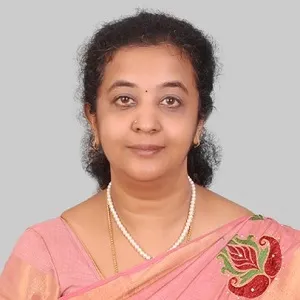
DR. PARIMALAM RAMANATHAN
MBBS, MD(OG), DNB, M...
| Experience | : | 25+ Years |
|---|---|---|
| Speciality | : | Obstetrics & Gynecol... | Location | : | Karapakkam |
| Timings | : | Mon to Sat : 4:00 PM... |
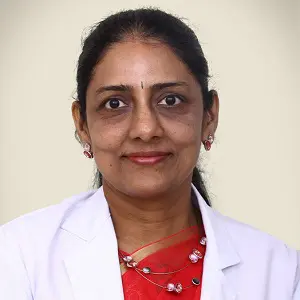
DR. SOWMYA RAGHAVAN
MBBS, MD, DGO, DNB(O...
| Experience | : | 30+ Years |
|---|---|---|
| Speciality | : | Obstetrics & Gynecol... | Location | : | Karapakkam |
| Timings | : | Mon to Sat : 1:00 PM... |
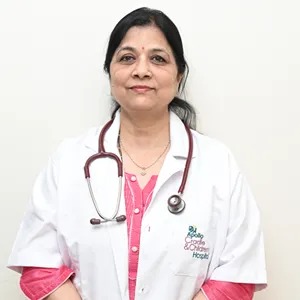
DR. REKHA PRASHANTH
MBBS, MD...
| Experience | : | 27 Years |
|---|---|---|
| Speciality | : | Obstetrics & Gynecol... | Location | : | Koramangala |
| Timings | : | Mon to Sat : 05:00 P... |

DR. DHWARAGA J
MBBS, MS(OG),DGO...
| Experience | : | 22 Years |
|---|---|---|
| Speciality | : | Obstetrics & Gynecol... | Location | : | Karapakkam |
| Timings | : | Mon to Sat : 12:00 P... |
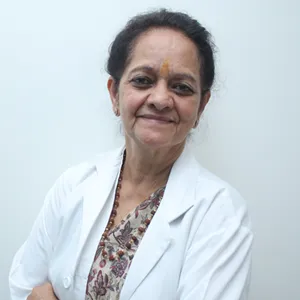
DR. PROF. SADHNA KALA
MBBS, MS, FICOG, FAC...
| Experience | : | 51+ Years |
|---|---|---|
| Speciality | : | Laparoscopic Surgeon... | Location | : | Chirag Enclave |
| Timings | : | Mon to Sat : 10:00 A... |

DR. BHAVNA BANGA
MBBS, MS, Fellowship...
| Experience | : | 19 Years |
|---|---|---|
| Speciality | : | Obstetrics & Gynecol... | Location | : | Chirag Enclave |
| Timings | : | Mon, Wed & Fri : 2:0... |
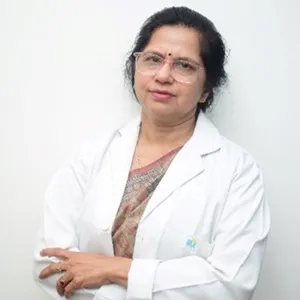
DR. MITA VERMA
MBBS - BRD Medical C...
| Experience | : | 34+ Years |
|---|---|---|
| Speciality | : | Laparoscopic Surgeon... | Location | : | Chirag Enclave |
| Timings | : | Mon to Sat : 10:00 A... |
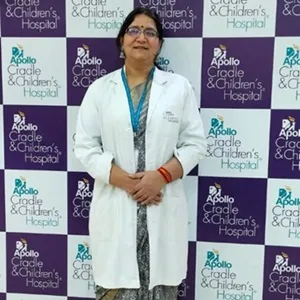
DR. DHARAM DEVI VERMA
MBBS, MS...
| Experience | : | 19 Years |
|---|---|---|
| Speciality | : | Obstetrics & Gynecol... | Location | : | Indirapuram |
| Timings | : | Mon to Sat 01:00 PM ... |
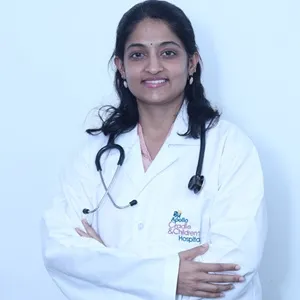
DR. SMITA B KALAPPA
MBBS, MS, DNB, MRCOG...
| Experience | : | 11+ Years |
|---|---|---|
| Speciality | : | Obstetrics & Gynecol... | Location | : | Jayanagar |
| Timings | : | Mon to Sat : 2:30 PM... |
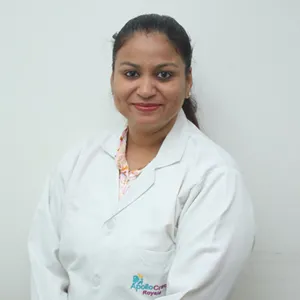
DR. RUCHIKA SOOD
MBBS, MS, Diploma i...
| Experience | : | 10 Years |
|---|---|---|
| Speciality | : | Obstetrics & Gynecol... | Location | : | Chirag Enclave |
| Timings | : | Tue, Thur & Sat : 2:... |
DR. HEMA SHARMA JHA
MBBS - Chaudhary Cha...
| Experience | : | 25 Years |
|---|---|---|
| Speciality | : | Obstetrics & Gynecol... | Location | : | Indirapuram |
| Timings | : | Mon, Wed, Thu, Fri, ... |
DR. NAMRATA NAGENDRA
MBBS, MS...
| Experience | : | 16+ Years |
|---|---|---|
| Speciality | : | Obstetrics & Gynecol... | Location | : | HSR layout 2nd Sector |
| Timings | : | Mon,Tue,Thurs,Fri & ... |
DR. GAUTHAMI M
MBBS, MS(OBG), FMIS ...
| Experience | : | 7+ Years |
|---|---|---|
| Speciality | : | Laparoscopic Surgeon... | Location | : | HSR layout 2nd Sector |
| Timings | : | Mon to Sun : 6:30 PM... |
DR. NANDEESH REDDY
MBBS, MS - Obstetric...
| Experience | : | 4+ Years |
|---|---|---|
| Speciality | : | Obstetrics & Gynecol... | Location | : | HSR layout 2nd Sector |
| Timings | : | Mon to Sun : 03:30 P... |
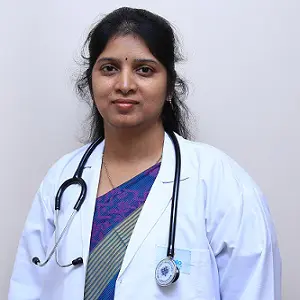
DR. SUDHA MADHURI
MBBS, DGO, MRCOG (UK...
| Experience | : | 25 Years |
|---|---|---|
| Speciality | : | Obstetrics & Gynecol... | Location | : | Kondapur |
| Timings | : | Mon to Sat : 10:00 A... |
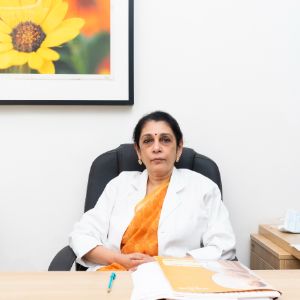
DR. YUVAKSHI JUNEJA
MBBS, MD...
| Experience | : | 38 Years |
|---|---|---|
| Speciality | : | Laparoscopic Surgeon... | Location | : | Chirag Enclave |
| Timings | : | Monday to Saturday- ... |
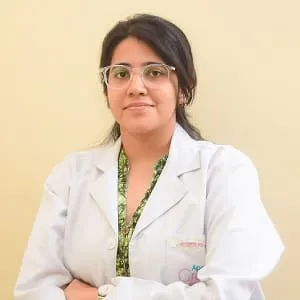
DR. NITIKA GROVER
MBBS, MS (OBGYN)...
| Experience | : | 8 Years |
|---|---|---|
| Speciality | : | Obstetrics & Gynecol... | Location | : | Moti Nagar |
| Timings | : | Monday: 10:00 AM to ... |

Copyright @ 2026,Apollo Cradle. All Rights Reserved