Blue Baby Syndrome: Causes, Symptoms & Treatment in Newborns
August 17, 2026
Giving birth to a child is always an event full of joy. However, certain medical conditions can develop unexpectedly. Blue Baby Syndrome is one of those cases when the colour of your baby’s skin turns blue because there is not enough oxygen supply in their body. While this could be alarming for parents, early diagnosis and treatment can help improve the outcomes.
This informative blog will provide a comprehensive guide on Blue Baby Syndrome.
What Is Blue Baby Syndrome?
Cyanosis, also called Blue Baby Syndrome, is a condition in which the baby’s skin looks purple or blue in colour. It can be caused by many reasons such as lung diseases, birth defects or heart ailments. The bluish colour may show up soon after birth, or it may develop later depending on the cause.
Why Is It Called Blue Baby Syndrome?
The condition gets its name from the blue or purplish colour that appears on a baby’s lips, tongue, skin or nail beds. This colour usually occurs when there is not enough oxygen-rich blood circulating in the baby’s body. It may become even more pronounced during feeding, crying, or feeling cold.
A little blue tinge on the hands and feet right after birth is normal in most newborns and usually clears up on its own, but if it lingers or shows up around the lips, tongue, or trunk, get your baby checked by a doctor.
How Does the Condition Affect Oxygen Levels in Blood?
Oxygenated blood should flow through every organ and tissue for normal body functioning. In some infants, this mechanism is disturbed because of problems that affect the heart, lungs, or the blood itself.
As a result, oxygenated blood does not reach the body tissues adequately, resulting in the blue colour. Low oxygen levels for a long time can reduce the efficiency of the body’s organs. This is the reason why early medical intervention is important when cyanosis is observed in babies.
Is Blue Baby Syndrome a Disease or a Symptom?
Blue Baby Syndrome is a symptom, not a disease in itself, and it usually points to one of a few underlying blue baby syndrome diseases that keep the blood from carrying enough oxygen. That's what leads to the bluish or purplish tint on a baby's skin, lips, fingertips, or toes. Pinning down the actual cause is what matters most for getting the right diagnosis and treatment on track.
What Causes Blue Baby Syndrome in Infants?
Blue baby syndrome in infants is mainly caused by the following:
Tetralogy of Fallot (TOF):
This is a combination of four heart defects, including:
- Ventricular septal defect, a hole in the wall between your baby’s lower heart chambers. This allows deoxygenated blood to mix with oxygenated blood.
- Pulmonary artery stenosis, in which a narrow pulmonary valve and main pulmonary artery prevent your baby from getting adequate blood to their lungs with each heartbeat.
- Overriding aorta, which happens due to a ventricular septal defect. In this, the aorta and its valve are above and open to both ventricles. As a result, oxygen-deficient blood reaches your baby’s organs instead of going to their pulmonary artery and lungs to get oxygen.
- Ventricular hypertrophy, in which the wall of muscle around your baby’s right ventricle becomes too thick because it is working harder to make up for the heart’s abnormalities.
Methemoglobinemia:
This usually stems from nitrate poisoning. It may happen in babies who are fed baby formula mixed with well water or homemade food made with nitrate-rich foods like beets or spinach. The condition predominantly occurs among infants less than 6 months old. In such babies, the gastrointestinal tract is more sensitive and underdeveloped, making it possible for the nitrate to be transformed to nitrite.
The nitrite then leads to the formation of methemoglobin in the body. Though methemoglobin is rich in oxygen, it cannot release the oxygen into the blood. Hence, the bluish colouration appears in infants suffering from methemoglobinemia. It may also be congenital in some rare cases.
Other Congenital Defects:
- Babies born with Down syndrome are more likely to also have heart defects.
- If a mother has poorly controlled diabetes during pregnancy (type 1 or type 2), it raises the chances of the baby developing a heart defect too.
Blue Baby Syndrome Symptoms
In addition to a bluish or purplish appearance, there are other Blue Baby Syndrome symptoms such as:
- Lethargy
- Issues in feeding
- Developmental issues
- Inability to gain weight
- Clubbed toes and fingers
- Rapid breathing or heartbeat
If you're in Bangalore and notice these symptoms in your baby, Apollo Cradle & Children's Hospital is home to some of the best paediatricians in Bangalore for effective treatment.
How Is Blue Baby Syndrome Diagnosed?
Other than asking about your baby’s medical history, the doctor may conduct different tests. These tests can help in finding out the reason behind your baby’s Blue Baby Syndrome. Some of these tests include:
- Blood tests
- Chest X-rays that study the lungs as well as the size of the heart
- Electrocardiogram (EKG) to study the electrical activities of the heart
- Echocardiogram to study the heart's structure
- Cardiac catheterisation to study the heart's arteries
- Oxygen saturation test to study the amount of oxygen in the blood
Treatment for Blue Baby Syndrome
Treatment depends on what's causing it. If a congenital heart condition is behind the Blue Baby Syndrome, the baby may need surgery down the line, sometimes along with medication depending on how serious it is. For methemoglobinemia, doctors typically administer methylene blue IV, a prescription medication that helps restore the blood's ability to carry oxygen.
When Should Parents Consult a Doctor?
Consult a doctor if your baby experiences any of the following signs:
- A bluish colour to the skin, nails, lips or tongue
- Shortness of breath or fast breathing
- Sleepiness, unresponsiveness or seizures in infants
- Feeding problems, continuous vomiting, or GI upset
In the more severe cases, these symptoms can lead to collapse or loss of consciousness, so it's better to get checked sooner than later.
Conclusion
Blue Baby Syndrome is a sign your baby isn’t getting enough oxygen. The good news is that catching it early and getting treatment right away can really affect the outcome. If you see any signs of cyanosis or trouble breathing in your baby, don’t wait. Seek medical attention right away.
Living in Hyderabad and worried about your baby’s health? Apollo Cradle & Children’s Hospital is one of the best pediatric hospitals in Hyderabad, with trained neonatologists and paediatricians to take care of your newborn or infant.
Our Doctors

DR. SUGUNA C
DCH DNB Pediatric DM...
| Experience | : | 13 Years |
|---|---|---|
| Speciality | : | Pediatrics & Neonato... | Location | : | Kondapur |
| Timings | : | Mon - Sat: 9:00 AM t... |
DR. J NAGA SRAVANI
MD – Pediatrics, F...
| Experience | : | 8 Years |
|---|---|---|
| Speciality | : | Pediatrics & Neonato... | Location | : | Kondapur |
| Timings | : | Wed : 12:30 PM to 02... |

DR. RAVI KYADEGERI
MBBS, MD, FIN...
| Experience | : | 10 Years |
|---|---|---|
| Speciality | : | Pediatrics & Neonato... | Location | : | Jayanagar |
| Timings | : | Mon - Sat : 05:00PM ... |

DR. RADHKRISHNA HEGDE
MBBS, MD, DCH (PEDIA...
| Experience | : | 36 Years |
|---|---|---|
| Speciality | : | Pediatrics & Neonato... | Location | : | Koramangala |
| Timings | : | Tue - 03:30PM - 05:0... |

DR. VEDARTH DASH
MBBS MS (Gen-) MCH (...
| Experience | : | 7 Years |
|---|---|---|
| Speciality | : | Pediatrics & Neonato... | Location | : | Koramangala |
| Timings | : | Tue & Sat : 11:00 AM... |

DR. ASHISH GUPTA
MBBS, MD (Pediatrics...
| Experience | : | 17 Years |
|---|---|---|
| Speciality | : | Pediatrics & Neonato... | Location | : | Chirag Enclave |
| Timings | : | Mon - Sat : 03:00PM ... |
DR. LATIKA UPPAL
MBBS (Gold Medallist...
| Experience | : | 10 Years |
|---|---|---|
| Speciality | : | Pediatrics & Neonato... | Location | : | Abadi Court Road |
| Timings | : | Mon - Sat : 10:00 AM... |

DR. K RAJA SUBBA REDDY
MBBS, DNB (Paediatri...
| Experience | : | 6 Years |
|---|---|---|
| Speciality | : | Pediatrics & Neonato... | Location | : | Jubilee Hills |
| Timings | : | Mon - Sat : 10:00 AM... |

DR. SHIVA KUMAR REDDY
MBBS, D.C.H, Fellows...
| Experience | : | 5 Years |
|---|---|---|
| Speciality | : | Pediatrics & Neonato... | Location | : | Jubilee Hills |
| Timings | : | Mon - Sat : 11:00 AM... |
DR. KOTESHWAR RAO
MD (Paediatrics), MD...
| Experience | : | 32 Years |
|---|---|---|
| Speciality | : | Pediatrics & Neonato... | Location | : | Jubilee Hills |
| Timings | : | Mon - Sat : 2:00 PM ... |
DR. GAURAV JAWA
MBBS, MD, MRCPCH...
| Experience | : | 9 Years |
|---|---|---|
| Speciality | : | Pediatrics & Neonato... | Location | : | Chirag Enclave |
| Timings | : | Mon, Tue, Wed, Thur ... |

DR. SUSANTA KUMAR BADATYA
MBBS, MD (Pediatrics...
| Experience | : | 5 Years |
|---|---|---|
| Speciality | : | Pediatrics & Neonato... | Location | : | Moti Nagar |
| Timings | : | Mon, Tue & Fri : 2:0... |

DR. NIRANJAN H S
MBBS, MD, FNNF...
| Experience | : | 25 Years |
|---|---|---|
| Speciality | : | Pediatrics & Neonato... | Location | : | Rajajinagar |
| Timings | : | Mon - Sat : 04:30 PM... |

DR. SHILPA DINESH BK
MBBS, MD(PEDIATRICS)...
| Experience | : | 11 Years |
|---|---|---|
| Speciality | : | Pediatrics & Neonato... | Location | : | Rajajinagar |
| Timings | : | Mon - Sat : 06:00 PM... |

DR. VIVEK CHOUDHURY
MBBS, MD (Paed), DNB...
| Experience | : | 10 Years |
|---|---|---|
| Speciality | : | Pediatrics & Neonato... | Location | : | Moti Nagar |
| Timings | : | Mon : 10:00 AM - 02:... |
DR. AVNEET KAUR
MBBS, DCH, DNB, FAGE...
| Experience | : | 14 Years |
|---|---|---|
| Speciality | : | Pediatrics & Neonato... | Location | : | Moti Nagar |
| Timings | : | Mon : 1:30 PM to 05:... |

DR. AVASH PANI
MBBS, MD(Pediatrics)...
| Experience | : | 15 Years |
|---|---|---|
| Speciality | : | Pediatrics & Neonato... | Location | : | Kondapur |
| Timings | : | Mon - Sat : 10:30 AM... |
DR. J NAGA SRAVANI
MD – Pediatrics, F...
| Experience | : | 8 Years |
|---|---|---|
| Speciality | : | Pediatrics & Neonato... | Location | : | Jubilee Hills |
| Timings | : | Wed : On Call... |

DR. M ARIF AHMED
M.D.(Paed.-Bom.), D....
| Experience | : | 40+ Years |
|---|---|---|
| Speciality | : | Pediatrics & Neonato... | Location | : | Jubilee Hills |
| Timings | : | Mon to Fri : 09:30 A... |
DR. LEENA PRIYAMBADA
MBBS, MD, PDCC (Pedi...
| Experience | : | 17+ Years |
|---|---|---|
| Speciality | : | Paediatric Endocrino... | Location | : | Jubilee Hills |
| Timings | : | Mon to Sat : On Call... |

DR. K LALATENDU KUMAR
MBBS, DNB (Pediatric...
| Experience | : | 17 Years |
|---|---|---|
| Speciality | : | Pediatric Surgery/Pe... | Location | : | Jubilee Hills |
| Timings | : | Mon, Tue, Wed, Fri &... |

DR. K LALATENDU KUMAR
MBBS, DNB (Pediatric...
| Experience | : | 17 Years |
|---|---|---|
| Speciality | : | Pediatrics & Neonato... | Location | : | Kondapur |
| Timings | : | Mon, Tue, Wed, Fri &... |

DR. RANJITH NELLORE
MBBS, MS Orthopedics...
| Experience | : | 8+ Years |
|---|---|---|
| Speciality | : | Pediatrics & Neonato... | Location | : | Jubilee Hills |
| Timings | : | Mon to Sat : On Call... |
DR. SOWMYA CC
MBBS, DNB...
| Experience | : | 20 Years |
|---|---|---|
| Speciality | : | Pediatrics & Neonato... | Location | : | Jayanagar |
| Timings | : | Mon to Sat : 1:00 PM... |

DR. GAURAV MANDHAN
DM (Neonatology), MD...
| Experience | : | 11 Years |
|---|---|---|
| Speciality | : | Pediatrics & Neonato... | Location | : | Sector-14 |
| Timings | : | Mon to Fri : 11:00 A... |

DR. SUMIT ARORA
MBBS, MD, DNB (Paed....
| Experience | : | 13 Years |
|---|---|---|
| Speciality | : | Pediatrics & Neonato... | Location | : | Sector-14 |
| Timings | : | Mon - Sat : 9:00 AM ... |

DR. RAHUL AGGARWAL
MBBS, MD (Paediatric...
| Experience | : | 11 Years |
|---|---|---|
| Speciality | : | Pediatrics & Neonato... | Location | : | Sector-82 |
| Timings | : | Mon - Sat : 11:00 AM... |

DR. VISHWANATH
MD-Pediatrics (PGIME...
| Experience | : | 5 Years |
|---|---|---|
| Speciality | : | Pediatrics & Neonato... | Location | : | Moti Nagar |
| Timings | : | Tue & Thur : 04:00 P... |

DR. PRACHI BHOSALE NARENDRA
M.B.B.S, D.C.H, PGPN...
| Experience | : | 16 Years |
|---|---|---|
| Speciality | : | Pediatrics & Neonato... | Location | : | Brookefield |
| Timings | : | Mon, Wed & Fri : 11:... |

DR. SUNIL KUMAR GONUGUNTALA
MBBS, MD (Pediatrics...
| Experience | : | 14+ Years |
|---|---|---|
| Speciality | : | Pediatrics & Neonato... | Location | : | Brookefield |
| Timings | : | Mon,Tue & Wed : 09:0... |
DR. ANAND ALLADI
MS,MCH PAED SURG AII...
| Experience | : | 30 Years |
|---|---|---|
| Speciality | : | Pediatrics & Neonato... | Location | : | Koramangala |
| Timings | : | Visiting Consultant... |

DR. ABHISHEK ROY
MBBS, DCH, Fellowshi...
| Experience | : | 15 Years |
|---|---|---|
| Speciality | : | Pediatrics & Neonato... | Location | : | Indirapuram |
| Timings | : | Mon, Wed & Fri : 1:3... |

DR. CHETNANAND JHA
MBBS, MD, Felllowshi...
| Experience | : | 18 Years |
|---|---|---|
| Speciality | : | Pediatrics & Neonato... | Location | : | Indirapuram |
| Timings | : | Mon, Wed, Fri : 10:3... |

DR. PRAHLAD KADAMBI
MBBS, MD Pediatrics,...
| Experience | : | 3 Years |
|---|---|---|
| Speciality | : | Pediatrics & Neonato... | Location | : | Rajajinagar |
| Timings | : | Mon to Sat : 8.30 PM... |
DR. SUSHMA C
MBBS, DCH, FNNF...
| Experience | : | 14 Years |
|---|---|---|
| Speciality | : | Pediatrics & Neonato... | Location | : | Rajajinagar |
| Timings | : | Mon to Sat : 8:30 AM... |
DR. MEENA THIAGARAJAN
MRCP, DCH, MRCPCH...
| Experience | : | 35+ Years |
|---|---|---|
| Speciality | : | Pediatrics & Neonato... | Location | : | Karapakkam |
| Timings | : | Wed : 10:00 AM to 4:... |

DR. P. SHARATH BABU
MBBS, MD, Fellowship...
| Experience | : | 15+ Years |
|---|---|---|
| Speciality | : | Pediatrics & Neonato... | Location | : | Karapakkam |
| Timings | : | Mon - Sat : 11:00 AM... |

DR. SHARMILA PENDYALA
MD (Pediatrics) (Osm...
| Experience | : | 22+ Years |
|---|---|---|
| Speciality | : | Pediatrics & Neonato... | Location | : | Jubilee Hills |
| Timings | : | Mon - Sat : 10:00 AM... |

DR. SOWMYA H
MBBS, MD...
| Experience | : | 13 Years |
|---|---|---|
| Speciality | : | Pediatrics & Neonato... | Location | : | Electronic City |
| Timings | : | Mon to Sat : 10:00 A... |

DR. TEJAL J RISBUD
MBBS, MD (Pediatrics...
| Experience | : | 18 Years |
|---|---|---|
| Speciality | : | Pediatrics & Neonato... | Location | : | Electronic City |
| Timings | : | Mon to Sat : 10:00 A... |

DR SAI SUVEER REDDY
MBBS, MD (PEDIATRICS...
| Experience | : | 7 Years |
|---|---|---|
| Speciality | : | Pediatrics & Neonato... | Location | : | Kondapur |
| Timings | : | Mon, Tue, Wed, Fri &... |

DR. K. KRISHNA SWAROOP REDDY
MRCPI, DCH...
| Experience | : | 35 Years |
|---|---|---|
| Speciality | : | Pediatrics & Neonato... | Location | : | Jubilee Hills |
| Timings | : | Mon - Sat : 9:30 AM ... |

DR. SHRISHAILESH MANTUR
MBBS, MD, Fellowship...
| Experience | : | 13 Years |
|---|---|---|
| Speciality | : | Pediatrics & Neonato... | Location | : | Koramangala |
| Timings | : | Mon, Tue, Wed, Fri &... |

DR. VINAYA PADMANABHA
MBBS, DCH, DNB...
| Experience | : | 5+ Years |
|---|---|---|
| Speciality | : | Pediatrics & Neonato... | Location | : | Koramangala |
| Timings | : | Mon, Tue, Wed, Fri &... |

DR. HARISH N
MBBS, MD, Fellowship...
| Experience | : | 5 Years |
|---|---|---|
| Speciality | : | Pediatrics & Neonato... | Location | : | Koramangala |
| Timings | : | Mon, Tue, Wed, Fri &... |
DR. ANIBHA PANDEY
MBBS, DNB...
| Experience | : | 8 Years |
|---|---|---|
| Speciality | : | Pediatrics & Neonato... | Location | : | Chirag Enclave |
| Timings | : | Mon - Sat : 11:00 AM... |

DR. DEBARATI DAS
MBBS. MD. MRCPCH (UK...
| Experience | : | 9 Years |
|---|---|---|
| Speciality | : | Pediatrics & Neonato... | Location | : | Brookefield |
| Timings | : | Mon, Tue, Wed, Fri &... |
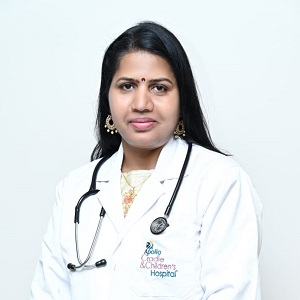
DR. KANCHANA DEVI M
MBBS, MD, DM(NEONATO...
| Experience | : | 13 Years |
|---|---|---|
| Speciality | : | Pediatrics & Neonato... | Location | : | Rajajinagar |
| Timings | : | Mon - Sat : 09:30 AM... |
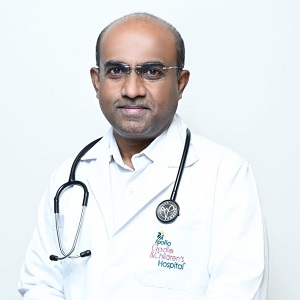
DR. NARENDRA BABU M
MBBS, MS, MCH-PEDIAT...
| Experience | : | 25 Years |
|---|---|---|
| Speciality | : | Pediatrics & Neonato... | Location | : | Rajajinagar |
| Timings | : | Tue, Thur & Sat : 06... |
DR. NIREESHA REDDY MUNAGALA
DNB (Pediatrics)...
| Experience | : | 7 Years |
|---|---|---|
| Speciality | : | Pediatrics & Neonato... | Location | : | Kondapur |
| Timings | : | Mon - Sat : 2:00 PM ... |
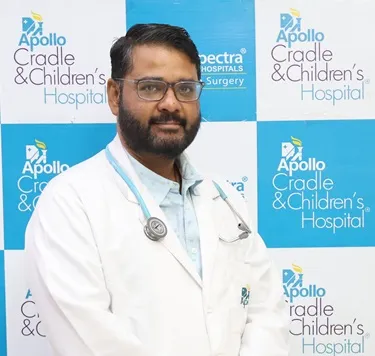
DR. RAMANI RANJAN
MBBS, DCH, MD (Ped),...
| Experience | : | 18 Years |
|---|---|---|
| Speciality | : | Pediatrics & Neonato... | Location | : | Greater Noida |
| Timings | : | Tue, Thur & Sat : 12... |
DR. RADHALAKSHMI SENTHIL
MBBS, MD, DNB, MRCPC...
| Experience | : | 25+ Years |
|---|---|---|
| Speciality | : | Pediatrics & Neonato... | Location | : | Karapakkam |
| Timings | : | Tue : 9:30 AM to 11:... |

DR. SYED SHAD MOHSIN
MBBS, DCH, NNF(Fello...
| Experience | : | 15 Years |
|---|---|---|
| Speciality | : | Pediatrics & Neonato... | Location | : | Indirapuram |
| Timings | : | Mon to Sat : 06:00 P... |

DR. SANJAY D SWAMY
MBBS, DNB (Pediatric...
| Experience | : | 25 Years |
|---|---|---|
| Speciality | : | Pediatrics & Neonato... | Location | : | Electronic City |
| Timings | : | Mon to Sat : 4:00 PM... |
DR. VIGNESWARI RAJA
MBBS, DCH, DNB (Pedi...
| Experience | : | 15+ Years |
|---|---|---|
| Speciality | : | Pediatrics & Neonato... | Location | : | Karapakkam |
| Timings | : | Mon to Sat : 11:15 A... |

DR. CAJETAN MARIO FRANCIS TELLIS
MBBS, MD, (Pediatric...
| Experience | : | 36+ Years |
|---|---|---|
| Speciality | : | Pediatrics & Neonato... | Location | : | HSR layout 2nd Sector |
| Timings | : | Mon to Sat : 01:00 P... |

Copyright @ 2026,Apollo Cradle. All Rights Reserved