Normal Ovary Size Explained: A Complete Guide for Women
August 17, 2026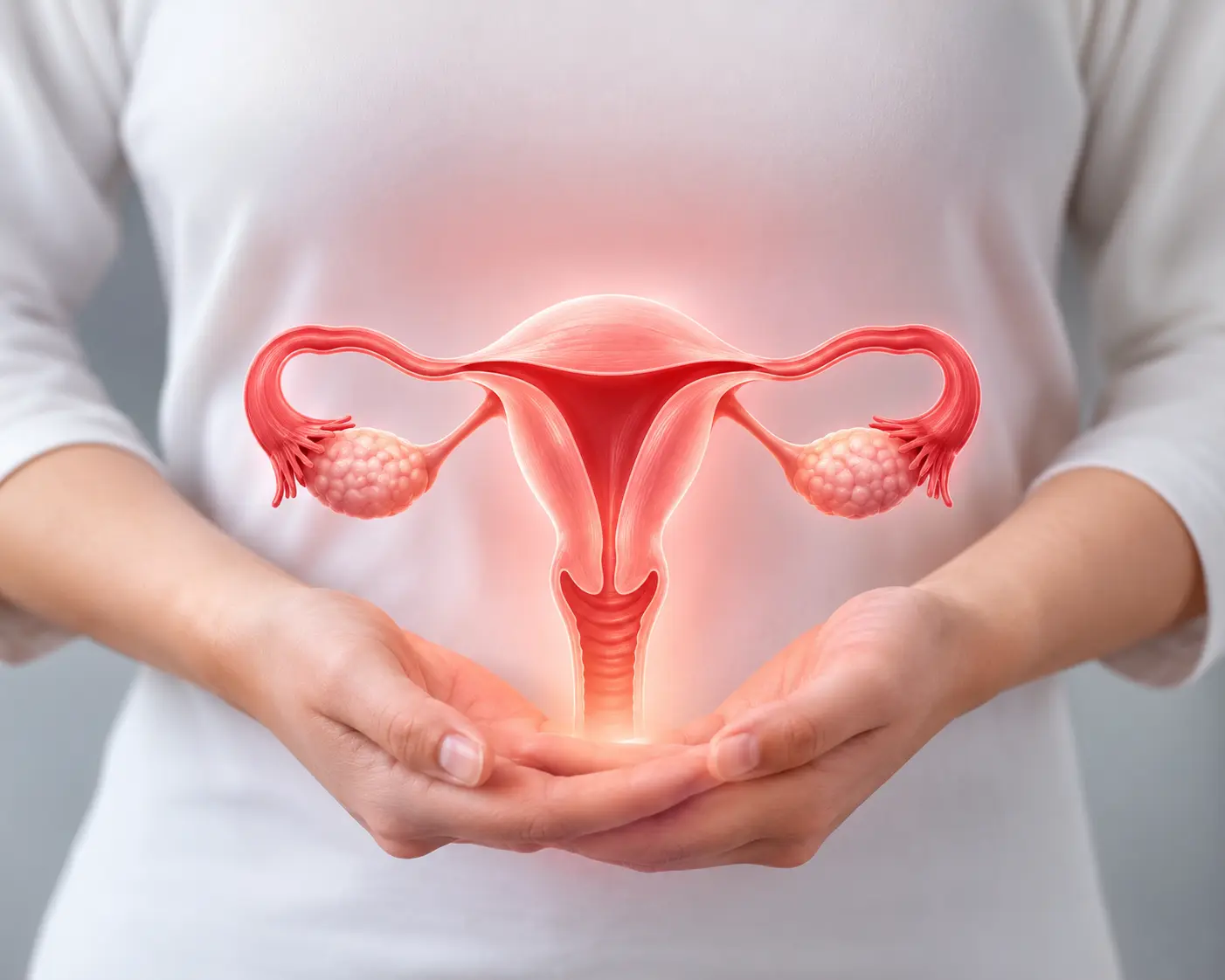
An ultrasound report may list your ovary measurements in millimetres or cubic centimetres, but those numbers often come without much context. Is an ovary measuring 3.2 cm within the normal range? Does an ovarian volume of 8 cc indicate a problem?
This guide fills that gap. It covers what counts as a normal ovary size, how doctors actually arrive at that volume figure, and why the number shifts depending on your age, your cycle day, even whether you're pregnant.
What Is a Normal Ovary Size? (mm, cm, & cc)
For women of reproductive age, ovarian size can vary considerably. On ultrasound, an ovary may commonly measure around 2.5-5 cm in length, 1.5-3 cm in width, and about 0.6-1.5 cm in thickness, although measurements outside these ranges do not automatically indicate a problem. Ovarian volume is also an important measurement and is usually reported in cubic centimetres (cc), which is equivalent to millilitres (mL).
Ovarian volume in reproductive-age women: 3-10 mL/cc
A large study of nearly 14,000 women found that mean ovarian volume was about 6.6 cc in women younger than 30, declining gradually with age. The researchers reported a mean volume of 4.9 cc in premenopausal women and 2.2 cc in postmenopausal women, with an upper reference limit of 20 cc for premenopausal women and 10 cc for postmenopausal women.
There is therefore no single “correct” ovary size. Age, menstrual and menopausal status, ovarian follicles, and the ultrasound technique can all affect the measurement. A radiologist interprets ovarian size alongside the ovary's appearance and the rest of the clinical findings rather than relying on one number alone.
Here’s a simple table for reference:
| Measurement | Normal ovary size in cm | Normal ovary size in mm |
| Length | 2.5-5 cm | 25-50 mm |
| Width | 1.5-3 cm | 15-30 mm |
| Thickness | 0.6-1.5 cm | 6-15 mm |
| Ovarian volume | 3-10 cm³* | - |
*3-10 cm³ is the same as 3-10 cc/mL. It should be treated as a general reference rather than a strict normal range.
How Ovary Size Is Measured (the Ellipsoid Formula)
An ovary is roughly oval in shape, so ultrasound professionals estimate its volume using an ellipsoid formula. During a transvaginal or transabdominal ultrasound, three dimensions are recorded: length (the longest top-to-bottom measurement), width (side to side), and thickness (front to back).
These three numbers are then used to estimate volume:
Ovarian Volume = Length × Width × Thickness × 0.523
The constant 0.523 comes from the standard ellipsoid volume formula, 4/3 × π × (Length/2) × (Width/2) × (Thickness/2), which works out to roughly Length × Width × Thickness × 0.523 once simplified. Some ultrasound machines use 0.52 instead, and the gap between the two barely moves the final number. Either way, the result gets reported in cubic centimetres (cm³), which is the same unit as cc or mL, just written differently.
Typical Ovarian Volume by Age (Normal Ovary Size by Age in cm or cc)
Ovary size is not static across a lifetime. Here’s a table presenting a general pattern of ovarian volume by age:
| Age / Life Stage | Typical Ovarian Volume | What Happens |
| Early childhood | Often under 1 to 2 cc | Before puberty, ovaries are small and mostly quiet. |
| Puberty & teenage years | Average close to 7-8 cc by the late teens | Through puberty and teenage years, as follicular activity ramps up, volume climbs sharply. |
| 20-40 years | Generally between 6 and 10 cc | The reproductive years hold the highest average volumes. |
| 40-50s | Somewhere around 2 to 4 cc | Ovarian volume begins a steady decline, as the body moves toward menopause. |
| Postmenopause | Less than 2 cc | Ovaries generally become smaller after menopause. |
Is a Size Difference Between Right and Left Female Ovary Normal?
Yes. A small difference in size between the right and left ovary is common and does not necessarily indicate a problem.
In fact, it is normal for the right and left ovary to differ slightly in size, usually within a few millimetres, because ovulation typically alternates between the two sides from one cycle to the next. Whichever ovary released the egg (or is developing the dominant follicle) that month will often appear a little larger on scan.
As a general clinical guideline, doctors usually pay closer attention when one ovary is significantly larger than the other, as this may point toward a cyst, torsion, or another structural issue rather than routine cyclical variation.
Does Ovary Size Change During the Menstrual Cycle?
It does. Early in the cycle, the ovaries are generally closer to their baseline size. As a dominant follicle develops in the days before ovulation, the follicle can grow around 2 to 3 cm, making that ovary appear somewhat larger on an ultrasound. After ovulation, a corpus luteum forms at the site where the follicle released the egg. It can temporarily change the ovary’s size and appearance before gradually regressing. This is why a single ultrasound snapshot rarely tells the whole story, and timing within the cycle matters.
Does Ovary Size Change During Pregnancy and Other Life Stages?
Ovary Size and Pregnancy:
In early pregnancy, it's common for one ovary to look a little larger than usual on scan. The reason comes down to the corpus luteum, the structure left behind after ovulation, which keeps producing progesterone until the placenta is developed enough to take over, somewhere around 10 to 12 weeks. Once that handover happens and the corpus luteum regresses, the ovary settles back down. Nothing to be concerned about, just biology doing its job.
Ovary Size and Fertility Treatments:
Ovulation induction and IVF medications are designed to push several follicles to develop at once rather than the usual one, and that can drive ovarian size and volume up temporarily. This kind of enlargement is expected during treatment. Doctors keep a close eye on ovarian response throughout the process, tracking how the ovaries change from one visit to the next.
Ovary Size and PCOS:
Enlarged ovaries with numerous small follicles are a common finding in polycystic ovary syndrome, or PCOS. On their own, though, size and follicle count don't confirm the diagnosis. Doctors also weigh irregular menstrual cycles and clinical or biochemical evidence of elevated androgens, commonly known as male hormones, before reaching a conclusion.
What Causes Ovaries to Be Smaller or Larger Than Normal?
Several factors are associated with smaller-than-expected ovaries:
- Age-related decline, particularly as menopause approaches
- Diminished ovarian reserve (DOR)
- Primary ovarian insufficiency (POI)
- Prior ovarian surgery
- Certain medical treatments or conditions that interfere with ovarian function
A different set of factors tends to be associated with larger-than-expected ovaries:
- Functional ovarian cysts
- Endometriomas
- Polycystic ovary syndrome (PCOS)
- Ovulation-induction or IVF medications, which deliberately stimulate multiple follicles
- Other cysts, masses, or structural changes within the ovary
An unusual measurement does not automatically indicate a problem. Doctors interpret ovarian size alongside a woman's age, her menstrual or menopausal status, any symptoms present, the ovary's appearance on ultrasound, and hormone or fertility test results where relevant. Size is one factor in that assessment, not a conclusion on its own.
What to Do If Your Ovary Size Is Not Normal
A result outside the typical range is not, by itself, a diagnosis. The right next step is a conversation with a gynaecologist doctor who can look at the finding alongside your cycle history, symptoms, and, if needed, additional tests such as hormone panels or a repeat scan at a different point in your cycle.
At Apollo Cradle, our top gynaecologists in Bangalore & Hyderabad routinely interpret ultrasound findings, helping patients understand what the numbers on their reports actually mean. If a scan has flagged something unexpected, booking a follow-up consultation can help you understand the finding and what it may mean for your individual health.
A typical ovary, during the reproductive years, falls somewhere in this range: 1. Length - 2.5 to 5 cm 2. Width - 1.5 to 3 cm 3. Thickness - 0.6 to 1.5 cm
Size-wise, the right ovary tracks closely with the left: around 25 to 50 mm long, 15 to 30 mm wide. Small differences between the two are common and rarely mean anything on their own.
The same general range applies as the right ovary. A difference of a few millimetres between the two sides can be normal.
Mild asymmetry between ovaries is normal.
A few things could explain it. Ageing, most commonly. Sometimes it's diminished ovarian reserve. Prior surgery shows up in some cases too, and so does premature ovarian insufficiency. None of these automatically indicate a problem without other supporting findings.
Yes, ovarian volume generally declines with age, with the decrease becoming more pronounced around and after menopause.
Not always as a headline measurement, but pelvic ultrasounds commonly assess ovarian size and appearance as part of a routine gynaecological or fertility assessment.
Our Doctors
DR. PRAMEELA SEKHAR
MBBS, DGO, DNB...
| Experience | : | 30 Years |
|---|---|---|
| Speciality | : | Obstetrics & Gynecol... | Location | : | Kondapur |
| Timings | : | Mon, Wed, Fri & Sat ... |
DR. MAMATHA BM
MBBS, DGO, DNB (OBGY...
| Experience | : | 29 Years |
|---|---|---|
| Speciality | : | Obstetrics & Gynecol... | Location | : | Koramangala |
| Timings | : | Visiting Consultant... |
DR. JYOTHI RAJESH
MBBS, DGO, DNB...
| Experience | : | 20 Years |
|---|---|---|
| Speciality | : | Obstetrics & Gynecol... | Location | : | Koramangala |
| Timings | : | Mon - 12:00PM -01:00... |
DR. SNEHA NAVEEN
MBBS,DNB...
| Experience | : | 14 Years |
|---|---|---|
| Speciality | : | Obstetrics & Gynecol... | Location | : | Koramangala |
| Timings | : | Visiting Consultant... |
DR. MEENU ARORA
MBBS, DGO, DNB...
| Experience | : | 23 Years |
|---|---|---|
| Speciality | : | Obstetrics & Gynecol... | Location | : | Abadi Court Road |
| Timings | : | Mon, Tue, Wed, Fri &... |
DR. SUNEETHA GUDIPATI
MBBS, MD, MRCOG...
| Experience | : | 15 Years |
|---|---|---|
| Speciality | : | Obstetrics & Gynecol... | Location | : | Kondapur |
| Timings | : | Tue : 9:00 AM to 11:... |
DR. SHILPA VENKATESH
MBBS,MRCOG...
| Experience | : | 14 Years |
|---|---|---|
| Speciality | : | Obstetrics & Gynecol... | Location | : | Koramangala |
| Timings | : | Visiting Consultant... |
DR. SHOBHA V
MBBS,DGO,ICMCH,MSASM...
| Experience | : | 26 Years |
|---|---|---|
| Speciality | : | Obstetrics & Gynecol... | Location | : | Koramangala |
| Timings | : | Visting Consultant... |
DR. SUDHAMANI M D
MBBS,MD OBG...
| Experience | : | 28 Years |
|---|---|---|
| Speciality | : | Obstetrics & Gynecol... | Location | : | Koramangala |
| Timings | : | Visiting Consultant... |
DR. SUGUNA REDDY
MBBS,DGO...
| Experience | : | 23 Years |
|---|---|---|
| Speciality | : | Obstetrics & Gynecol... | Location | : | Koramangala |
| Timings | : | Mon, Wed & Sat : 5.3... |
DR. VIMEE BINDRA
MBBS, M.D (Obs & Gyn...
| Experience | : | 7 Years |
|---|---|---|
| Speciality | : | Obstetrics & Gynecol... | Location | : | Jubilee Hills |
| Timings | : | Mon - Sat : On Call... |

DR. SHANTHI REDDY
MBBS, M.D (Obs & Gyn...
| Experience | : | 23 Years |
|---|---|---|
| Speciality | : | Obstetrics & Gynecol... | Location | : | Jubilee Hills |
| Timings | : | Mon - Sat : On Call... |

DR. JASMIN RATH
MD, OBG, SENIOR CONS...
| Experience | : | 16 Years |
|---|---|---|
| Speciality | : | Obstetrics & Gynecol... | Location | : | Jubilee Hills |
| Timings | : | ON CALL... |
DR. ROOMA SINHA
MBBS, M.D,DNB;MNAMS...
| Experience | : | 22 Years |
|---|---|---|
| Speciality | : | Obstetrics & Gynecol... | Location | : | Jubilee Hills |
| Timings | : | ON CALL... |
DR. NEERA KIRPAL
MBBS, DGO...
| Experience | : | 42 Years |
|---|---|---|
| Speciality | : | Obstetrics & Gynecol... | Location | : | Abadi Court Road |
| Timings | : | Mon - Sat : 11:00 AM... |
DR. SITA SHARMA
MBBS, MD...
| Experience | : | 17 Years |
|---|---|---|
| Speciality | : | Obstetrics & Gynecol... | Location | : | Abadi Court Road |
| Timings | : | Mon - Sat : 12:00 PM... |
DR. SUJATA SHARMA
MBBS, MD, DGO, FICOG...
| Experience | : | 37+ Years |
|---|---|---|
| Speciality | : | Obstetrics & Gynecol... | Location | : | Abadi Court Road |
| Timings | : | Mon - Sat : 10:00 AM... |
DR. PHANI MADHURI
MBBS, MS, Diploma in...
| Experience | : | 11 Years |
|---|---|---|
| Speciality | : | Obstetrics & Gynecol... | Location | : | Koramangala |
| Timings | : | Mon - Sat : 02:00 PM... |
DR. DEEPA DUREJA
MBBS, MD (Obst & Gyn...
| Experience | : | 30 Years |
|---|---|---|
| Speciality | : | Obstetrics & Gynecol... | Location | : | Chirag Enclave |
| Timings | : | Wed : 05:00 PM to 07... |
DR. MANJU AGARWAL
MBBS, DGO, FICOG...
| Experience | : | 25 Years |
|---|---|---|
| Speciality | : | Obstetrics & Gynecol... | Location | : | Moti Nagar |
| Timings | : | Mon & Thur : 05:00 P... |
DR. ANURADHA PANDA
MD, DGO, FICOG...
| Experience | : | 22 Years |
|---|---|---|
| Speciality | : | Obstetrics & Gynecol... | Location | : | Jubilee Hills |
| Timings | : | On Call... |
DR. JOSHITHA NAIK
MBBS, DGO, DNB...
| Experience | : | 15 Years |
|---|---|---|
| Speciality | : | Obstetrics & Gynecol... | Location | : | Jayanagar |
| Timings | : | Mon to Sat : 6:00 PM... |
DR. APOORVA PALLEM REDDY
MBBS, MS, DNB...
| Experience | : | 10 Years |
|---|---|---|
| Speciality | : | Obstetrics & Gynecol... | Location | : | Jayanagar |
| Timings | : | Mon, Wed, Fri : 4:00... |
DR. SHILPA S APTE
MBBS, DGO...
| Experience | : | 21 Years |
|---|---|---|
| Speciality | : | Obstetrics & Gynecol... | Location | : | Jayanagar |
| Timings | : | Thu/Sat : 01:00PM - ... |
DR. PADMASRI V
MBBS, MD ...
| Experience | : | 22 Years |
|---|---|---|
| Speciality | : | Obstetrics & Gynecol... | Location | : | Jayanagar |
| Timings | : | Mon - Sat : 03:00PM ... |
DR. (PROF.) CHITRA RAMAMURTHY
MBBS, MD - Obstetric...
| Experience | : | 37 Years |
|---|---|---|
| Speciality | : | Obstetrics & Gynecol... | Location | : | Jayanagar |
| Timings | : | Mon to Sat : On Call... |
DR SESHIREKHA DANDAMUDI
MBBS: MD (OBG & GYN)...
| Experience | : | 25 Years |
|---|---|---|
| Speciality | : | Obstetrics & Gynecol... | Location | : | Kondapur |
| Timings | : | Mon - Sat : 10:00 A... |
DR. V. RAMYA KRISHNA
MBBS, MRCOG, PGDMNC,...
| Experience | : | 19 Years |
|---|---|---|
| Speciality | : | Obstetrics & Gynecol... | Location | : | Brookefield |
| Timings | : | Mon - Sat : 6:00 PM ... |
DR. NAMRATA NAGENDRA
MBBS, MS ...
| Experience | : | 15 Years |
|---|---|---|
| Speciality | : | Obstetrics & Gynecol... | Location | : | Koramangala |
| Timings | : | Mon - Sat : 10:30 AM... |
DR. SUGUNA REDDY
MBBS, DGO...
| Experience | : | 23 Years |
|---|---|---|
| Speciality | : | Obstetrics & Gynecol... | Location | : | HSR layout 2nd Sector |
| Timings | : | Mon - Sat: 8:30 PM t... |
DR. SHAKTIBHAN KHANNA
MBBS, MD, FAMS, FIAM...
| Experience | : | 46 Years |
|---|---|---|
| Speciality | : | Obstetrics & Gynecol... | Location | : | Chirag Enclave |
| Timings | : | Mon - 10:00AM - 12:0... |
DR. RITU
MBBS, MS (Obstetrics...
| Experience | : | 14 Years |
|---|---|---|
| Speciality | : | Obstetrics & Gynecol... | Location | : | Sector-82 |
| Timings | : | Mon to Sat : 12:00 P... |
DR. HARPREET KAUR
MBBS, MS (Obs & Gyna...
| Experience | : | 14 Years |
|---|---|---|
| Speciality | : | Obstetrics & Gynecol... | Location | : | Sector-82 |
| Timings | : | Mon to Sat : 9:00 AM... |
DR. PARGYA RICHA
MBBS, MS( Obs and Gy...
| Experience | : | 14 Years |
|---|---|---|
| Speciality | : | Obstetrics & Gynecol... | Location | : | Sector-14 |
| Timings | : | Mon to Sat : 5:00 PM... |
DR. ANDAL REDDY
DGO, DNB, FICOG, FIC...
| Experience | : | 22 Years |
|---|---|---|
| Speciality | : | Obstetrics & Gynecol... | Location | : | Kondapur |
| Timings | : | Tue & thur : On Call... |
DR. PRAMEELA SEKHAR. K
DGO, DNB (OBG)...
| Experience | : | 17 Years |
|---|---|---|
| Speciality | : | Obstetrics & Gynecol... | Location | : | Jubilee Hills |
| Timings | : | Mon to Sat : 11:30 A... |
DR. ANDAL REDDY
DGO, DNB, FICOG, FIC...
| Experience | : | 22 Years |
|---|---|---|
| Speciality | : | Obstetrics & Gynecol... | Location | : | Jubilee Hills |
| Timings | : | Mon - Sat : 10:00 AM... |
DR. SWATHI GOGINENI
MBBS, MS (OBG), DNB ...
| Experience | : | 16 Years |
|---|---|---|
| Speciality | : | Obstetrics & Gynecol... | Location | : | Jubilee Hills |
| Timings | : | Mon - Sat : 10:00 AM... |
DR. MYTHRI SHARAN
MBBS, DGO, DNB ...
| Experience | : | 8 Years |
|---|---|---|
| Speciality | : | Obstetrics & Gynecol... | Location | : | Jubilee Hills |
| Timings | : | Mon - Sat : 10:30 AM... |
DR. SRI HARIKA BONAM
MBBS, MS (OBG) DNB, ...
| Experience | : | 16 Years |
|---|---|---|
| Speciality | : | Obstetrics & Gynecol... | Location | : | Jubilee Hills |
| Timings | : | Mon - Sat : 11:00 AM... |
DR. SOWMYA SAMPURNA .M
MBBS, MS (OBG) FMAS...
| Experience | : | 9 Years |
|---|---|---|
| Speciality | : | Obstetrics & Gynecol... | Location | : | Jubilee Hills |
| Timings | : | Mon - Sat : 5:00 PM ... |
DR. MADHUMATHI SANJAY
MD...
| Experience | : | 29 Years |
|---|---|---|
| Speciality | : | Obstetrics & Gynecol... | Location | : | Jubilee Hills |
| Timings | : | Tue, Thur & Sat : 11... |
DR. SUNITHA ILINANI
MBBS, MD (OBG)...
| Experience | : | 23 Years |
|---|---|---|
| Speciality | : | Obstetrics & Gynecol... | Location | : | Jubilee Hills |
| Timings | : | Mon - Sat : 09:00 AM... |
DR. MEENAKSHI R KAMATH
MBBS, DGO...
| Experience | : | 30 Years |
|---|---|---|
| Speciality | : | Obstetrics & Gynecol... | Location | : | Jayanagar |
| Timings | : | Mon, Wed, Fri & Sat ... |
DR. DIVYA WADHAWAN
MBBS, DNB Obstetrics...
| Experience | : | 14+ Years |
|---|---|---|
| Speciality | : | Obstetrics & Gynecol... | Location | : | Chirag Enclave |
| Timings | : | Mon - Sat : 4:00 PM ... |
DR. MAMTA GOEL
DNB, DGO, MD...
| Experience | : | 17 Years |
|---|---|---|
| Speciality | : | Obstetrics & Gynecol... | Location | : | Chirag Enclave |
| Timings | : | Tue, Thur & Sat : 01... |
DR. SEEMA THERAJA
MBBS, MD (OBG)...
| Experience | : | 28 Years |
|---|---|---|
| Speciality | : | Obstetrics & Gynecol... | Location | : | Moti Nagar |
| Timings | : | Mon & Wed : 10:00 AM... |
DR. POONAM BEHAL
MS (Obs & Gynae), Ma...
| Experience | : | 23 Years |
|---|---|---|
| Speciality | : | Obstetrics & Gynecol... | Location | : | Moti Nagar |
| Timings | : | Mon & Thur : 10:00 A... |
DR. SADHNA GUPTA
MBBS, MD...
| Experience | : | 35 Years |
|---|---|---|
| Speciality | : | Obstetrics & Gynecol... | Location | : | Moti Nagar |
| Timings | : | Tue : 11:00 AM to 12... |
DR. ISHA KHURANA VASHISHT
MBBS, MS - Obstetric...
| Experience | : | 14 Years |
|---|---|---|
| Speciality | : | Obstetrics & Gynecol... | Location | : | Moti Nagar |
| Timings | : | Wed : 4:00 PM to 6:0... |
DR. DEEPTI SOOD HANDA
MBBS, DGO...
| Experience | : | 10 Years |
|---|---|---|
| Speciality | : | Obstetrics & Gynecol... | Location | : | Moti Nagar |
| Timings | : | Mon & Thur : 5:00 PM... |
DR. B M RAMYA THULASI
MBBS, MS(OBG), DGO, ...
| Experience | : | 14 Years |
|---|---|---|
| Speciality | : | Obstetrics & Gynecol... | Location | : | Rajajinagar |
| Timings | : | Mon - Sat : 09:00 AM... |
DR. PREETINDER KAUR BEDI
MBBS, MD (OBGYN), DN...
| Experience | : | 22 Years |
|---|---|---|
| Speciality | : | Obstetrics & Gynecol... | Location | : | Moti Nagar |
| Timings | : | Thur : 10:00 AM to 0... |
DR. MONIKA GHULIANI
MBBS, MS...
| Experience | : | 16 Years |
|---|---|---|
| Speciality | : | Obstetrics & Gynecol... | Location | : | Chirag Enclave |
| Timings | : | Tue, Thur & Sat : 5:... |
DR. NANDINI MUPPIDI
MBBS, MS OBGY...
| Experience | : | 10 Years |
|---|---|---|
| Speciality | : | Obstetrics & Gynecol... | Location | : | Kondapur |
| Timings | : | Mon - Sat : 12:00 PM... |
DR. PHANI MADHURI
MBBS, MS - Obstetric...
| Experience | : | 20 Years |
|---|---|---|
| Speciality | : | Obstetrics & Gynecol... | Location | : | Jayanagar |
| Timings | : | Mon - Sat : 02:30 PM... |
DR. NEELIMA KANTH T
MBBS, MS-Obstetrics ...
| Experience | : | 23+ Years |
|---|---|---|
| Speciality | : | Obstetrics & Gynecol... | Location | : | Jubilee Hills |
| Timings | : | Mon - Sat : 10:00AM ... |

DR. AYESHA SHARIEF
MBBS,MRCOG...
| Experience | : | 16 Years |
|---|---|---|
| Speciality | : | Obstetrics & Gynecol... | Location | : | Koramangala |
| Timings | : | Visiting Consultant... |

DR. PUNITA ARORA
MBBS, MD(Gyane/Obs)...
| Experience | : | 45 Years |
|---|---|---|
| Speciality | : | Obstetrics & Gynecol... | Location | : | Sector-14 |
| Timings | : | Mon to Sat : 9:00 AM... |

DR. SADHNA SHARMA
MBBS, MD (Gynae & Ob...
| Experience | : | 20 Years |
|---|---|---|
| Speciality | : | Obstetrics & Gynecol... | Location | : | Sector-14 |
| Timings | : | Mon to Sat : 10:00 A... |

DR. SHEELA GAUR
MBBS, DGO...
| Experience | : | 16 Years |
|---|---|---|
| Speciality | : | Obstetrics & Gynecol... | Location | : | Sector-14 |
| Timings | : | Mon : 9:00 AM to 1:0... |

DR. SWATI CHHABRA
MBBS, DGO, DNB - (Ob...
| Experience | : | 12 Years |
|---|---|---|
| Speciality | : | Obstetrics & Gynecol... | Location | : | Sector-82 |
| Timings | : | Tue to Sat: 9:00 AM ... |

DR. SWATI CHHABRA
MBBS, DGO, DNB - (Ob...
| Experience | : | 12 Years |
|---|---|---|
| Speciality | : | Obstetrics & Gynecol... | Location | : | Sector-14 |
| Timings | : | Mon to Sat : 5:00 PM... |

DR. NIRMALA KRISHNAN
MBBS, MS (Gynae & Ob...
| Experience | : | 35 Years |
|---|---|---|
| Speciality | : | Obstetrics & Gynecol... | Location | : | Sector-14 |
| Timings | : | Mon to Sun : 4:00 PM... |

DR. ANJALI BUGGA
MBBS, MS (Gynae & Ob...
| Experience | : | 34 Years |
|---|---|---|
| Speciality | : | Obstetrics & Gynecol... | Location | : | Sector-14 |
| Timings | : | Mon : 11:00 AM - 1:0... |

DR. VIJAY WALI
MBBS, MD (Gynae & Ob...
| Experience | : | 32 Years |
|---|---|---|
| Speciality | : | Obstetrics & Gynecol... | Location | : | Sector-14 |
| Timings | : | Mon, Wed & Fri : 11:... |
DR. AMRAPALI DIXIT
MBBS, MS (Ob & Gynae...
| Experience | : | 21 Years |
|---|---|---|
| Speciality | : | Obstetrics & Gynecol... | Location | : | Sector-82 |
| Timings | : | Mon - Sat : 11:00 AM... |
DR. SEEMA SANTOSH
MBBS, DGO...
| Experience | : | 16 Years |
|---|---|---|
| Speciality | : | Obstetrics & Gynecol... | Location | : | Sector-82 |
| Timings | : | Sat : 4 PM - 6 PM... |
DR. RITU CHOUDHARY
MBBS, MS, FMAS Lead ...
| Experience | : | 17 Years |
|---|---|---|
| Speciality | : | Obstetrics & Gynecol... | Location | : | Electronic City |
| Timings | : | Mon to Sat : 9:30 AM... |
DR. POORNIMA RAMAKRISHNA
MBBS, MS (Obs& Gyn) ...
| Experience | : | 17 Years |
|---|---|---|
| Speciality | : | Obstetrics & Gynecol... | Location | : | Jayanagar |
| Timings | : | Mon - Fri : 10:00 AM... |
DR. MAMATHA DEVI S
She has completed MB...
| Experience | : | 33 Years |
|---|---|---|
| Speciality | : | Obstetrics & Gynecol... | Location | : | Koramangala |
| Timings | : | Tue : 01:00 PM to 02... |
DR. SHILPI SACHDEV
MBBS, DNB, DMAS...
| Experience | : | 22 Years |
|---|---|---|
| Speciality | : | Obstetrics & Gynecol... | Location | : | Moti Nagar |
| Timings | : | Mon & Wed : 10:00 AM... |
DR. NAMRATA NAGENDRA
MBBS, MS- Obstetrics...
| Experience | : | 16 Years |
|---|---|---|
| Speciality | : | Obstetrics & Gynecol... | Location | : | Electronic City |
| Timings | : | Mon to Sat : 10:00 A... |
DR. MAYURI AHUJA
MBBS, DNB, DGO...
| Experience | : | 14 Years |
|---|---|---|
| Speciality | : | Obstetrics & Gynecol... | Location | : | Greater Noida |
| Timings | : | Mon to Sat : 04:00 P... |
DR. KANTI SAHU
MBBS, DGO, DNB (OBGY...
| Experience | : | 23 Years |
|---|---|---|
| Speciality | : | Obstetrics & Gynecol... | Location | : | Brookefield |
| Timings | : | Mon - Fri : 02:00 PM... |
DR. KAVITHA V REDDY
MBBS, DGO...
| Experience | : | 19 Years |
|---|---|---|
| Speciality | : | Obstetrics & Gynecol... | Location | : | Brookefield |
| Timings | : | Mon to Sat : 09:00 A... |
DR. TEJASWINI D
MBBS, DGO, DNB (OBG)...
| Experience | : | 11+ Years |
|---|---|---|
| Speciality | : | Obstetrics & Gynecol... | Location | : | Koramangala |
| Timings | : | On Call... |
DR. HEMAVATHI SRINIVASAN
MBBS, DNB (OBG), FFM...
| Experience | : | 22 Years |
|---|---|---|
| Speciality | : | Obstetrics & Gynecol... | Location | : | Koramangala |
| Timings | : | Mon - Sat : 05:00 PM... |
DR. JEEVA P BAL
MBBS...
| Experience | : | 13+ Years |
|---|---|---|
| Speciality | : | Obstetrics & Gynecol... | Location | : | Koramangala |
| Timings | : | On call... |
DR. SAHITI M
MBBS, MS - Obstetric...
| Experience | : | 10+ Years |
|---|---|---|
| Speciality | : | Obstetrics & Gynecol... | Location | : | Koramangala |
| Timings | : | Mon to Sat : On Call... |
DR. RITU TIWARI
MBBS, DNB...
| Experience | : | 25 Years |
|---|---|---|
| Speciality | : | Obstetrics & Gynecol... | Location | : | Indirapuram |
| Timings | : | Fri : 02:00 PM to 04... |
DR. DHIVYAMBIGAI RAJENDRAN
MBBS., DNB(OG)., FMA...
| Experience | : | 15+ Years |
|---|---|---|
| Speciality | : | Obstetrics & Gynecol... | Location | : | Karapakkam |
| Timings | : | Mon - Sat : 11:00 ... |
DR. RAJSRI J SHANKAR
MBBS, MRCOg (UK)...
| Experience | : | 30+ Years |
|---|---|---|
| Speciality | : | Obstetrics & Gynecol... | Location | : | Karapakkam |
| Timings | : | Mon - Sat : 11:30 AM... |
DR. SINDHU BHARGAVI
MBBS, DNB(OG), MRCOG...
| Experience | : | 20+ Years |
|---|---|---|
| Speciality | : | Obstetrics & Gynecol... | Location | : | Karapakkam |
| Timings | : | Mon - Sat : 11:00 AM... |
DR. JANANI IYER
MBBS, MD, MRCOG(UK),...
| Experience | : | 25+ Years |
|---|---|---|
| Speciality | : | Infertility Speciali... | Location | : | Karapakkam |
| Timings | : | Mon, Wed & Fri : 10:... |
DR. AMUDHA HARI
MBBS, DGO, PHD, Dip ...
| Experience | : | 35+ Years |
|---|---|---|
| Speciality | : | Obstetrics & Gynecol... | Location | : | Karapakkam |
| Timings | : | Mon to Sat : 10:30 A... |
DR. KARTHIGA DEVI
MBBS, MS(OG)...
| Experience | : | 20+ Years |
|---|---|---|
| Speciality | : | Obstetrics & Gynecol... | Location | : | Karapakkam |
| Timings | : | Mon - Sat : 11:00 AM... |
DR. NITHIYAA JEYAKUMAR
MBBS, DGO, DNB(OG), ...
| Experience | : | 18+ Years |
|---|---|---|
| Speciality | : | Obstetrics & Gynecol... | Location | : | Karapakkam |
| Timings | : | Mon - Sat : 12:30 PM... |
DR. SHAILZA VARDHAN
MBBS - S.N Medical C...
| Experience | : | 11 Years |
|---|---|---|
| Speciality | : | Obstetrics & Gynecol... | Location | : | Greater Noida |
| Timings | : | Mon to Sat : 4:00 PM... |
DR. GEETA CHADHA
MBBS, MD...
| Experience | : | 41 Years |
|---|---|---|
| Speciality | : | Obstetrics & Gynecol... | Location | : | Chirag Enclave |
| Timings | : | Mon - Sat : 10:00 AM... |
DR. RANJANA SHARMA
MS, MRCOG (UK), FROG...
| Experience | : | 36 Years |
|---|---|---|
| Speciality | : | Obstetrics & Gynecol... | Location | : | Chirag Enclave |
| Timings | : | Mon - Fri : 10:00 AM... |
DR. POOJA CHOUDHARY
MBBS, MD...
| Experience | : | 20 Years |
|---|---|---|
| Speciality | : | Obstetrics & Gynecol... | Location | : | Chirag Enclave |
| Timings | : | Mon to Sat : 11:00 A... |
DR. POONAM MISRA
MBBS, DGO, MRCOG...
| Experience | : | 40 Years |
|---|---|---|
| Speciality | : | Obstetrics & Gynecol... | Location | : | Chirag Enclave |
| Timings | : | Mon - Sat : 4:00 PM ... |
DR. POONAM TARA
MBBS, MD, MRCOG PART...
| Experience | : | 25 Years |
|---|---|---|
| Speciality | : | Obstetrics & Gynecol... | Location | : | Chirag Enclave |
| Timings | : | Tue, Wed & Fri: 09:0... |

DR. MEENAKSHI T. SAHU
MBBS, MD, DNB, MRCOG...
| Experience | : | 20 Years |
|---|---|---|
| Speciality | : | Obstetrics & Gynecol... | Location | : | Chirag Enclave |
| Timings | : | Mon - Sat : 6:00 PM ... |
DR. RUSHDA RIAZ
MBBS, DGO, F. MAS, D...
| Experience | : | 13 Years |
|---|---|---|
| Speciality | : | Obstetrics & Gynecol... | Location | : | Indirapuram |
| Timings | : | Mon,Wed & Sat : 09:0... |
DR. SEEMA SHARMA
MBBS MD (OBGYN)...
| Experience | : | 24 Years |
|---|---|---|
| Speciality | : | Obstetrics & Gynecol... | Location | : | Abadi Court Road |
| Timings | : | Mon to Sat : 10:00 A... |
DR. RUCHI TANDON
MBBS, MS...
| Experience | : | 15+ Years |
|---|---|---|
| Speciality | : | Laparoscopic Surgeon... | Location | : | Chirag Enclave |
| Timings | : | Mon - Sat : 10:00 AM... |
DR. SWETHA CHANDRASEKAR
MBBS, MS(OG),FMAS,Fe...
| Experience | : | 14+ Years |
|---|---|---|
| Speciality | : | Obstetrics & Gynecol... | Location | : | Karapakkam |
| Timings | : | Mon to Sat : 11:00 A... |
DR. ANSHU RAINA
MBBS, MD...
| Experience | : | 18 Years |
|---|---|---|
| Speciality | : | Obstetrics & Gynecol... | Location | : | Greater Noida |
| Timings | : | Mon - Sat : 9:00 AM ... |
DR. MAHITA REDDY A
MBBS, MD (OBS & GYN)...
| Experience | : | 30+ Years |
|---|---|---|
| Speciality | : | Obstetrics & Gynecol... | Location | : | Jubilee Hills |
| Timings | : | Mon, Wed, Fri & Sat ... |

DR. ANU JOESPH
MBBS, DNB...
| Experience | : | 18+ Years |
|---|---|---|
| Speciality | : | Fetal Medicine/Obste... | Location | : | Electronic City |
| Timings | : | Mon to Sat : 4:00 PM... |
DR. VIJAYA MANOHAR
MBBS, MD (OBG)...
| Experience | : | 36 Years |
|---|---|---|
| Speciality | : | Obstetrics & Gynecol... | Location | : | Koramangala |
| Timings | : | Mon to Sat : 10:30 A... |
DR. POORNIMA RAMAKRISHNA
MBBS, MS (Obs& Gyn) ...
| Experience | : | 17 Years |
|---|---|---|
| Speciality | : | Obstetrics & Gynecol... | Location | : | Koramangala |
| Timings | : | Mon to Fri : 3:00 PM... |
DR. PRAJUAL HEGDE S
MBBS, MD (OBG)...
| Experience | : | 23 Years |
|---|---|---|
| Speciality | : | Obstetrics & Gynecol... | Location | : | Koramangala |
| Timings | : | Mon to Fri : 2:00 PM... |
DR. NAGARATHNA DS
MBBS, DGO...
| Experience | : | 28 Years |
|---|---|---|
| Speciality | : | Obstetrics & Gynecol... | Location | : | Koramangala |
| Timings | : | Mon to Sat : 12:00 P... |
DR. KRISHNA SHAW
MBBS, DGO...
| Experience | : | 20 Years |
|---|---|---|
| Speciality | : | Obstetrics & Gynecol... | Location | : | Koramangala |
| Timings | : | Sun : 3:30 PM to 5:0... |
DR. THEJASWINI PATIL
MBBS,MD,FEDM,Endocri...
| Experience | : | 20 Years |
|---|---|---|
| Speciality | : | Obstetrics & Gynecol... | Location | : | Koramangala |
| Timings | : | Mon, Wed & Fri : 2:0... |
DR. NIVEDITA JHA
MBBS (KGMC, Lucknow)...
| Experience | : | 12 Years |
|---|---|---|
| Speciality | : | Obstetrics & Gynecol... | Location | : | Koramangala |
| Timings | : | Mon to Sat : 6:30 PM... |
DR. SHILPA APTE
MBBS, DGO...
| Experience | : | 21 Years |
|---|---|---|
| Speciality | : | Obstetrics & Gynecol... | Location | : | Koramangala |
| Timings | : | Mon, Wed, Fri & Sat ... |
DR. ARTI YADAV
MBBS, MS (Obs& Gynec...
| Experience | : | 14 Years |
|---|---|---|
| Speciality | : | Obstetrics & Gynecol... | Location | : | Greater Noida |
| Timings | : | Mon - Sat : 10:00 AM... |
DR. SUMAN KHARBANDA
MBBS, MS - Obstetric...
| Experience | : | 36 Years |
|---|---|---|
| Speciality | : | Obstetrics & Gynecol... | Location | : | Moti Nagar |
| Timings | : | Mon/Tue/Thur & Fri :... |
DR. JAKKA SAI MANASA REDDY
MBBS, MS - Obstetric...
| Experience | : | 13 Years |
|---|---|---|
| Speciality | : | Obstetrics & Gynecol... | Location | : | Brookefield |
| Timings | : | Mon, Wed, Thur & Fri... |
DR. ANANYA RANGASWAMY
MBBS, MS(OBG), Speci...
| Experience | : | 13 Years |
|---|---|---|
| Speciality | : | Obstetrics & Gynecol... | Location | : | Rajajinagar |
| Timings | : | Mon - Sat : 9:00 AM ... |
DR. GARIMA JAIN
MBBS, DNB, CIMP, CGC...
| Experience | : | 20 Years |
|---|---|---|
| Speciality | : | Obstetrics & Gynecol... | Location | : | Brookefield |
| Timings | : | Mon & Fri : 09:00 AM... |
DR. APARNA JHA
MBBS, MS, DNB (OBGY)...
| Experience | : | 20 Years |
|---|---|---|
| Speciality | : | Obstetrics & Gynecol... | Location | : | Brookefield |
| Timings | : | Mon, Tue, Thu & Fri ... |
DR. SWETHA R V
MBBS, DNB(OBG)...
| Experience | : | 6 Years |
|---|---|---|
| Speciality | : | Obstetrics & Gynecol... | Location | : | Rajajinagar |
| Timings | : | Mon - Sat : 11:00 AM... |
PROF. DR. BHARATHI RAJANNA
MBBS, MD(OBG), FMAS,...
| Experience | : | 35 Years |
|---|---|---|
| Speciality | : | Obstetrics & Gynecol... | Location | : | Rajajinagar |
| Timings | : | Mon - Sat : 11:30 AM... |
DR. VANGALLU PADMINI SILPA
DGO DNB MNAMS FMAS...
| Experience | : | 16 Years |
|---|---|---|
| Speciality | : | Obstetrics & Gynecol... | Location | : | Kondapur |
| Timings | : | Mon - Sat : 10:00 AM... |
DR. JASMIN RATH
MBBS, MD...
| Experience | : | 16 Years |
|---|---|---|
| Speciality | : | Obstetrics & Gynecol... | Location | : | Kondapur |
| Timings | : | Mon - Sat : 09:00 AM... |
DR. SRI LAKSHMI DURGA MARRIVADA
MBBS, DNB, (OBGY)...
| Experience | : | 5 Years |
|---|---|---|
| Speciality | : | Obstetrics & Gynecol... | Location | : | Kondapur |
| Timings | : | Mon - Sat : 1:00 PM ... |
DR. PADMAVATHI P
MBBS, DGO, DNB...
| Experience | : | 8 Years |
|---|---|---|
| Speciality | : | Obstetrics & Gynecol... | Location | : | Kondapur |
| Timings | : | Mon to Sat : 12:00 P... |
DR. JAYA AGARWAL
MBBS, DGO, DNB, DGE...
| Experience | : | 17 years |
|---|---|---|
| Speciality | : | Laparoscopic Surgeon... | Location | : | Chirag Enclave |
| Timings | : | Mon, Wed, & Fri : 05... |
DR. GARIMA MAAN
MBBS, MS, DNB...
| Experience | : | 8 Years |
|---|---|---|
| Speciality | : | Obstetrics & Gynecol... | Location | : | Indirapuram |
| Timings | : | Mon to Sat : 09:00 A... |
DR. KANAKA SESHU K
MBBS, MS(OBG), Speci...
| Experience | : | 10+ Years |
|---|---|---|
| Speciality | : | Obstetrics & Gynecol... | Location | : | Rajajinagar |
| Timings | : | Mon to Sat : 1:30 PM... |
DR. TEJASHRI SHROTRI
MBBS, MS, MRCOG...
| Experience | : | 23 Years |
|---|---|---|
| Speciality | : | Laparoscopic Surgeon... | Location | : | Chirag Enclave |
| Timings | : | Mon - Sat : 11:00 AM... |
.webp)
DR. REENA KHANDELWAL
MBBS, MD...
| Experience | : | 32+ Years |
|---|---|---|
| Speciality | : | Laparoscopic Surgeon... | Location | : | Chirag Enclave |
| Timings | : | Mon & Wed : 12:00 PM... |
DR. SANJIDA YASMIN
MBBS, DGO, DNB...
| Experience | : | 15+ Years |
|---|---|---|
| Speciality | : | Laparoscopic Surgeon... | Location | : | Chirag Enclave |
| Timings | : | Mon - Sat : 04:00 PM... |

DR. CHITRA SHANKAR
MBBS, MD, MRCOG DRM ...
| Experience | : | 25 Years |
|---|---|---|
| Speciality | : | Obstetrics & Gynecol... | Location | : | Karapakkam |
| Timings | : | On Call... |
DR. PARIMALAM RAMANATHAN
MBBS, MD(OG), DNB, M...
| Experience | : | 25+ Years |
|---|---|---|
| Speciality | : | Obstetrics & Gynecol... | Location | : | Karapakkam |
| Timings | : | Mon to Sat : 4:00 PM... |
DR. SOWMYA RAGHAVAN
MBBS, MD, DGO, DNB(O...
| Experience | : | 30+ Years |
|---|---|---|
| Speciality | : | Obstetrics & Gynecol... | Location | : | Karapakkam |
| Timings | : | Mon to Sat : 1:00 PM... |
DR. REKHA PRASHANTH
MBBS, MD...
| Experience | : | 27 Years |
|---|---|---|
| Speciality | : | Obstetrics & Gynecol... | Location | : | Koramangala |
| Timings | : | Mon to Sat : 05:00 P... |

DR. DHWARAGA J
MBBS, MS(OG),DGO...
| Experience | : | 22 Years |
|---|---|---|
| Speciality | : | Obstetrics & Gynecol... | Location | : | Karapakkam |
| Timings | : | Mon to Sat : 12:00 P... |
DR. PROF. SADHNA KALA
MBBS, MS, FICOG, FAC...
| Experience | : | 51+ Years |
|---|---|---|
| Speciality | : | Laparoscopic Surgeon... | Location | : | Chirag Enclave |
| Timings | : | Mon to Sat : 10:00 A... |

DR. BHAVNA BANGA
MBBS, MS, Fellowship...
| Experience | : | 19 Years |
|---|---|---|
| Speciality | : | Obstetrics & Gynecol... | Location | : | Chirag Enclave |
| Timings | : | Mon, Wed & Fri : 2:0... |
DR. MITA VERMA
MBBS - BRD Medical C...
| Experience | : | 34+ Years |
|---|---|---|
| Speciality | : | Laparoscopic Surgeon... | Location | : | Chirag Enclave |
| Timings | : | Mon to Sat : 10:00 A... |
DR. DHARAM DEVI VERMA
MBBS, MS...
| Experience | : | 19 Years |
|---|---|---|
| Speciality | : | Obstetrics & Gynecol... | Location | : | Indirapuram |
| Timings | : | Mon to Sat 01:00 PM ... |
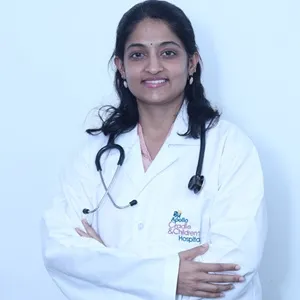
DR. SMITA B KALAPPA
MBBS, MS, DNB, MRCOG...
| Experience | : | 11+ Years |
|---|---|---|
| Speciality | : | Obstetrics & Gynecol... | Location | : | Jayanagar |
| Timings | : | Mon to Sat : 2:30 PM... |
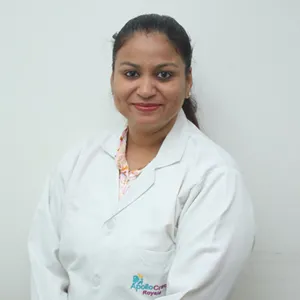
DR. RUCHIKA SOOD
MBBS, MS, Diploma i...
| Experience | : | 10 Years |
|---|---|---|
| Speciality | : | Obstetrics & Gynecol... | Location | : | Chirag Enclave |
| Timings | : | Tue, Thur & Sat : 2:... |
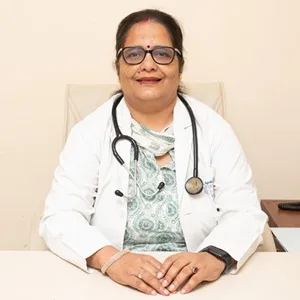
DR. HEMA SHARMA JHA
MBBS - Chaudhary Cha...
| Experience | : | 25 Years |
|---|---|---|
| Speciality | : | Obstetrics & Gynecol... | Location | : | Indirapuram |
| Timings | : | Mon, Wed, Thu, Fri, ... |
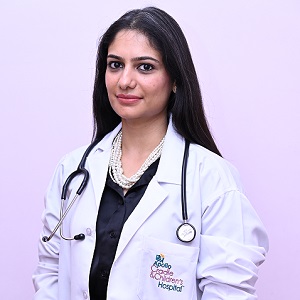
DR. NAMRATA NAGENDRA
MBBS, MS...
| Experience | : | 16+ Years |
|---|---|---|
| Speciality | : | Obstetrics & Gynecol... | Location | : | HSR layout 2nd Sector |
| Timings | : | Mon,Tue,Thurs,Fri & ... |
DR. GAUTHAMI M
MBBS, MS(OBG), FMIS ...
| Experience | : | 7+ Years |
|---|---|---|
| Speciality | : | Laparoscopic Surgeon... | Location | : | HSR layout 2nd Sector |
| Timings | : | Mon to Sun : 6:30 PM... |
DR. NANDEESH REDDY
MBBS, MS - Obstetric...
| Experience | : | 4+ Years |
|---|---|---|
| Speciality | : | Obstetrics & Gynecol... | Location | : | HSR layout 2nd Sector |
| Timings | : | Mon to Sun : 03:30 P... |
DR. SUDHA MADHURI
MBBS, DGO, MRCOG (UK...
| Experience | : | 25 Years |
|---|---|---|
| Speciality | : | Obstetrics & Gynecol... | Location | : | Kondapur |
| Timings | : | Mon to Sat : 10:00 A... |
DR. YUVAKSHI JUNEJA
MBBS, MD...
| Experience | : | 38 Years |
|---|---|---|
| Speciality | : | Laparoscopic Surgeon... | Location | : | Chirag Enclave |
| Timings | : | Monday to Saturday- ... |
DR. NITIKA GROVER
MBBS, MS (OBGYN)...
| Experience | : | 8 Years |
|---|---|---|
| Speciality | : | Obstetrics & Gynecol... | Location | : | Moti Nagar |
| Timings | : | Monday: 10:00 AM to ... |

Copyright @ 2026,Apollo Cradle. All Rights Reserved