Blood Clots During Periods: What's Normal and When to See a Doctor
August 17, 2026
Noticed a jelly-like clot in your period blood and felt a little panicked? You're not alone. That's actually a quite common reaction the first time it happens. Truth is, small clots can show up in a lot of normal cycles. But when they appear bigger than usual or happen every single cycle, that's worth paying attention to.
What Are Blood Clots During Periods?
Blood clots are gel-like clumps that form when your uterine lining (also called endometrium) sheds faster than the blood can flow out, so it clots before it actually leaves your body. They're usually dark brown or dark red, and the size and texture can vary from person to person.
Are Blood Clots During Periods Normal?
The size of the blood clots is very important in determining whether the clots are normal or not. Clots that are not more than a quarter of an inch are classified as normal. The formation of such clots usually occurs at the onset of menstruation, particularly on heavy days.
What Causes Blood Clots During Periods?
The following are some of the major causes of blood clots in periods:
- Diseases: Some diseases that affect the uterus cause the development of blood clots. The conditions that cause enlargement or exert pressure on the uterus will increase bleeding and lead to clot formation. They include:
- Fibroids - Benign muscle tumours that develop in the walls of the uterus
- Endometriosis - Development of uterine tissue outside the uterus
- Adenomyosis - Development of the uterus lining inside the uterine walls
- Polyps - Development of growths on the cervix or inner walls of the uterus
- Hormonal Factors: Diseases that affect the thyroid glands can affect menstrual flow.
- Medications: Certain medications, such as anti-inflammatory medications and anticoagulants, cause abnormal menstrual flows.
- Birth Control Methods: Sometimes the non-hormonal IUD can cause heavier bleeding and more clotting. Thus, changes in menstrual clotting may be linked to switching from one type of birth control to another.
- Blood disorders: Von Willebrand disease is a defect in blood clotting that can cause heavy menstrual bleeding.
What Do Different Sizes of Blood Clots Mean?
Clot size can tell you something useful about your period, but on its own it's incomplete. Pay attention to how much you're bleeding, how often clots appear, and what else you're experiencing alongside them. Pea-sized clots on your heaviest flow days are common and typically not serious.
The American College of Obstetricians and Gynaecologists (ACOG) considers clots the size of a quarter (about 2.5 cm) or larger a possible sign of heavy menstrual bleeding. This could sometimes be associated with uterine fibroids, adenomyosis or a hormonal imbalance.
Symptoms That May Accompany Blood Clots During Periods
Blood clots in periods can occur on their own or alongside other menstrual symptoms, including:
- Pelvic or lower abdominal pain
- Weakness or fatigue
- Dizziness during menstruation
- Symptoms related to anaemia such as shortness of breath
- Cramping so severe that it interferes with daily activities
If clots are accompanied by an increase in either pain or fatigue, it may suggest heavy blood loss.
Treatment for Blood Clots During Periods
Treatment options for period blood clots are based on the cause and the severity of symptoms and whether there is any plan for conceiving.
Some possible treatment options for blood clots in periods include:
- Hormonal therapy: Birth control pills, hormonal IUDs and other hormone-based treatment methods can be considered to regulate periods and hormone balance to stop excessive bleeding and clot formation.
- Non-hormonal solutions: Antifibrinolytic drugs or anti-inflammatory medicine can be used to limit menstrual blood loss without impacting your hormones.
- Iron supplements: In cases where the heavy bleeding results in anaemia, the use of iron supplements becomes necessary to regain energy levels.
- Specific treatments for any underlying condition: Conditions like fibroids, endometriosis, or adenomyosis often need their own targeted treatment plan.
When Should You See a Doctor?
Consult a gynaecologist doctor, if you experience:
- Severe bleeding
- Severe abdominal or pelvic pain
- Very big blood clots in your period continuously
- Clots with odour
- Clots larger than a quarter coin
- Anaemia symptoms
- A change in the menstrual cycle
- Suspected pregnancy
Conclusion
Passing small clots during your period is usually nothing to worry about. But if you are experiencing consistent large clots, heavy bleeding, or persistent pain, these are signs that should not be ignored. If this sounds like what you’re going through, it should be checked out. See a doctor to get a proper diagnosis of what’s going on. And if you’re looking for the top gynaecologist in Bangalore, choose a specialist who can identify the root of the problem and direct you to the appropriate treatment for your situation.
Yes, small ones are common, especially on your heaviest days. But if they're bigger than a quarter coin, or you're noticing them cycle after cycle, get it checked by a gynaecologist.
There's no guaranteed way to prevent menstrual blood clots entirely. That said, iron-rich foods, regular exercise, keeping a healthy weight, and staying hydrated can all support a more normal flow. If the clots are large or happening often, it's best to see a gynaecologist.
Yes, it can. High stress levels interfere with your hormones, and that can lead to heavier bleeding along with clots that, for some women, tend to be larger.
Not necessarily. Just because you notice clots in your menstrual blood doesn't mean you're dealing with a fertility issue. But clots are common with heavy periods and some medical conditions such as fibroids, endometriosis and hormonal problems. It’s always best to see your doctor for the right care.
There is no natural treatment to stop heavy menstrual bleeding. An iron-rich diet, staying hydrated, managing stress, and general healthy habits can help support your cycle, but they won't stop heavy bleeding if something else is going on. If it's heavy and doesn't let up, talk to your gynaecologist.
Our Doctors
DR. PRAMEELA SEKHAR
MBBS, DGO, DNB...
| Experience | : | 30 Years |
|---|---|---|
| Speciality | : | Obstetrics & Gynecol... | Location | : | Kondapur |
| Timings | : | Mon, Wed, Fri & Sat ... |

DR. MAMATHA BM
MBBS, DGO, DNB (OBGY...
| Experience | : | 29 Years |
|---|---|---|
| Speciality | : | Obstetrics & Gynecol... | Location | : | Koramangala |
| Timings | : | Visiting Consultant... |
DR. JYOTHI RAJESH
MBBS, DGO, DNB...
| Experience | : | 20 Years |
|---|---|---|
| Speciality | : | Obstetrics & Gynecol... | Location | : | Koramangala |
| Timings | : | Mon - 12:00PM -01:00... |
DR. SNEHA NAVEEN
MBBS,DNB...
| Experience | : | 14 Years |
|---|---|---|
| Speciality | : | Obstetrics & Gynecol... | Location | : | Koramangala |
| Timings | : | Visiting Consultant... |
DR. MEENU ARORA
MBBS, DGO, DNB...
| Experience | : | 23 Years |
|---|---|---|
| Speciality | : | Obstetrics & Gynecol... | Location | : | Abadi Court Road |
| Timings | : | Mon, Tue, Wed, Fri &... |
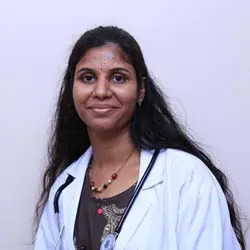
DR. SUNEETHA GUDIPATI
MBBS, MD, MRCOG...
| Experience | : | 15 Years |
|---|---|---|
| Speciality | : | Obstetrics & Gynecol... | Location | : | Kondapur |
| Timings | : | Tue : 9:00 AM to 11:... |
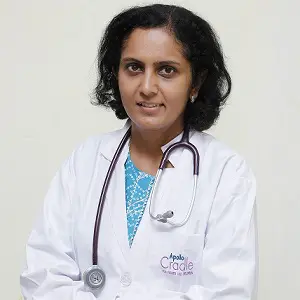
DR. SHILPA VENKATESH
MBBS,MRCOG...
| Experience | : | 14 Years |
|---|---|---|
| Speciality | : | Obstetrics & Gynecol... | Location | : | Koramangala |
| Timings | : | Visiting Consultant... |
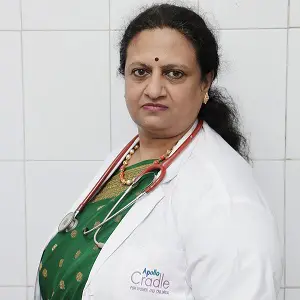
DR. SHOBHA V
MBBS,DGO,ICMCH,MSASM...
| Experience | : | 26 Years |
|---|---|---|
| Speciality | : | Obstetrics & Gynecol... | Location | : | Koramangala |
| Timings | : | Visting Consultant... |
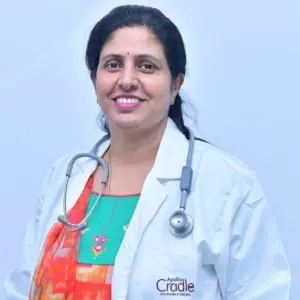
DR. SUDHAMANI M D
MBBS,MD OBG...
| Experience | : | 28 Years |
|---|---|---|
| Speciality | : | Obstetrics & Gynecol... | Location | : | Koramangala |
| Timings | : | Visiting Consultant... |
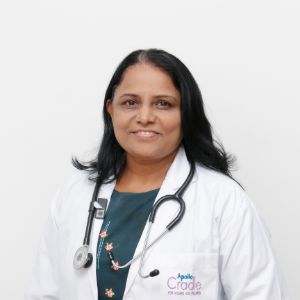
DR. SUGUNA REDDY
MBBS,DGO...
| Experience | : | 23 Years |
|---|---|---|
| Speciality | : | Obstetrics & Gynecol... | Location | : | Koramangala |
| Timings | : | Mon, Wed & Sat : 5.3... |
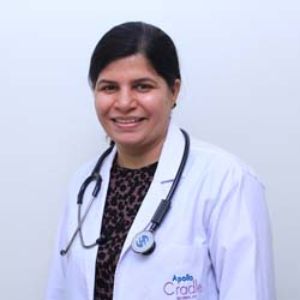
DR. VIMEE BINDRA
MBBS, M.D (Obs & Gyn...
| Experience | : | 7 Years |
|---|---|---|
| Speciality | : | Obstetrics & Gynecol... | Location | : | Jubilee Hills |
| Timings | : | Mon - Sat : On Call... |

DR. SHANTHI REDDY
MBBS, M.D (Obs & Gyn...
| Experience | : | 23 Years |
|---|---|---|
| Speciality | : | Obstetrics & Gynecol... | Location | : | Jubilee Hills |
| Timings | : | Mon - Sat : On Call... |

DR. JASMIN RATH
MD, OBG, SENIOR CONS...
| Experience | : | 16 Years |
|---|---|---|
| Speciality | : | Obstetrics & Gynecol... | Location | : | Jubilee Hills |
| Timings | : | ON CALL... |
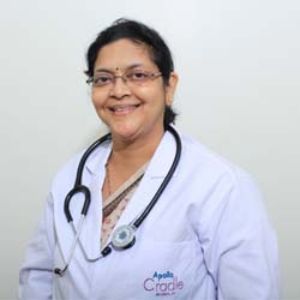
DR. ROOMA SINHA
MBBS, M.D,DNB;MNAMS...
| Experience | : | 22 Years |
|---|---|---|
| Speciality | : | Obstetrics & Gynecol... | Location | : | Jubilee Hills |
| Timings | : | ON CALL... |
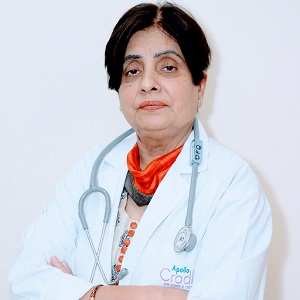
DR. NEERA KIRPAL
MBBS, DGO...
| Experience | : | 42 Years |
|---|---|---|
| Speciality | : | Obstetrics & Gynecol... | Location | : | Abadi Court Road |
| Timings | : | Mon - Sat : 11:00 AM... |
DR. SITA SHARMA
MBBS, MD...
| Experience | : | 17 Years |
|---|---|---|
| Speciality | : | Obstetrics & Gynecol... | Location | : | Abadi Court Road |
| Timings | : | Mon - Sat : 12:00 PM... |
DR. SUJATA SHARMA
MBBS, MD, DGO, FICOG...
| Experience | : | 37+ Years |
|---|---|---|
| Speciality | : | Obstetrics & Gynecol... | Location | : | Abadi Court Road |
| Timings | : | Mon - Sat : 10:00 AM... |
DR. PHANI MADHURI
MBBS, MS, Diploma in...
| Experience | : | 11 Years |
|---|---|---|
| Speciality | : | Obstetrics & Gynecol... | Location | : | Koramangala |
| Timings | : | Mon - Sat : 02:00 PM... |
DR. DEEPA DUREJA
MBBS, MD (Obst & Gyn...
| Experience | : | 30 Years |
|---|---|---|
| Speciality | : | Obstetrics & Gynecol... | Location | : | Chirag Enclave |
| Timings | : | Wed : 05:00 PM to 07... |
DR. MANJU AGARWAL
MBBS, DGO, FICOG...
| Experience | : | 25 Years |
|---|---|---|
| Speciality | : | Obstetrics & Gynecol... | Location | : | Moti Nagar |
| Timings | : | Mon & Thur : 05:00 P... |
DR. ANURADHA PANDA
MD, DGO, FICOG...
| Experience | : | 22 Years |
|---|---|---|
| Speciality | : | Obstetrics & Gynecol... | Location | : | Jubilee Hills |
| Timings | : | On Call... |
DR. JOSHITHA NAIK
MBBS, DGO, DNB...
| Experience | : | 15 Years |
|---|---|---|
| Speciality | : | Obstetrics & Gynecol... | Location | : | Jayanagar |
| Timings | : | Mon to Sat : 6:00 PM... |

DR. APOORVA PALLEM REDDY
MBBS, MS, DNB...
| Experience | : | 10 Years |
|---|---|---|
| Speciality | : | Obstetrics & Gynecol... | Location | : | Jayanagar |
| Timings | : | Mon, Wed, Fri : 4:00... |
DR. SHILPA S APTE
MBBS, DGO...
| Experience | : | 21 Years |
|---|---|---|
| Speciality | : | Obstetrics & Gynecol... | Location | : | Jayanagar |
| Timings | : | Thu/Sat : 01:00PM - ... |
DR. PADMASRI V
MBBS, MD ...
| Experience | : | 22 Years |
|---|---|---|
| Speciality | : | Obstetrics & Gynecol... | Location | : | Jayanagar |
| Timings | : | Mon - Sat : 03:00PM ... |
DR. (PROF.) CHITRA RAMAMURTHY
MBBS, MD - Obstetric...
| Experience | : | 37 Years |
|---|---|---|
| Speciality | : | Obstetrics & Gynecol... | Location | : | Jayanagar |
| Timings | : | Mon to Sat : On Call... |
DR SESHIREKHA DANDAMUDI
MBBS: MD (OBG & GYN)...
| Experience | : | 25 Years |
|---|---|---|
| Speciality | : | Obstetrics & Gynecol... | Location | : | Kondapur |
| Timings | : | Mon - Sat : 10:00 A... |
DR. V. RAMYA KRISHNA
MBBS, MRCOG, PGDMNC,...
| Experience | : | 19 Years |
|---|---|---|
| Speciality | : | Obstetrics & Gynecol... | Location | : | Brookefield |
| Timings | : | Mon - Sat : 6:00 PM ... |
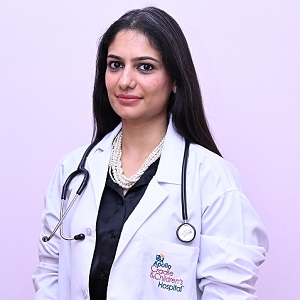
DR. NAMRATA NAGENDRA
MBBS, MS ...
| Experience | : | 15 Years |
|---|---|---|
| Speciality | : | Obstetrics & Gynecol... | Location | : | Koramangala |
| Timings | : | Mon - Sat : 10:30 AM... |
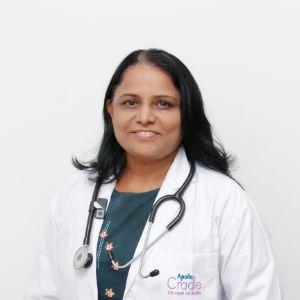
DR. SUGUNA REDDY
MBBS, DGO...
| Experience | : | 23 Years |
|---|---|---|
| Speciality | : | Obstetrics & Gynecol... | Location | : | HSR layout 2nd Sector |
| Timings | : | Mon - Sat: 8:30 PM t... |
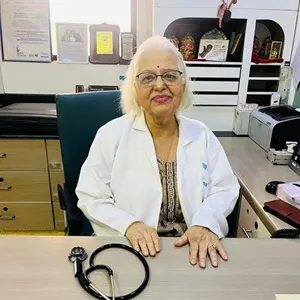
DR. SHAKTIBHAN KHANNA
MBBS, MD, FAMS, FIAM...
| Experience | : | 46 Years |
|---|---|---|
| Speciality | : | Obstetrics & Gynecol... | Location | : | Chirag Enclave |
| Timings | : | Mon - 10:00AM - 12:0... |

DR. RITU
MBBS, MS (Obstetrics...
| Experience | : | 14 Years |
|---|---|---|
| Speciality | : | Obstetrics & Gynecol... | Location | : | Sector-82 |
| Timings | : | Mon to Sat : 12:00 P... |
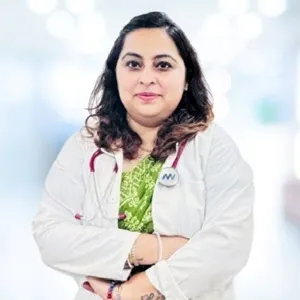
DR. HARPREET KAUR
MBBS, MS (Obs & Gyna...
| Experience | : | 14 Years |
|---|---|---|
| Speciality | : | Obstetrics & Gynecol... | Location | : | Sector-82 |
| Timings | : | Mon to Sat : 9:00 AM... |

DR. PARGYA RICHA
MBBS, MS( Obs and Gy...
| Experience | : | 14 Years |
|---|---|---|
| Speciality | : | Obstetrics & Gynecol... | Location | : | Sector-14 |
| Timings | : | Mon to Sat : 5:00 PM... |
DR. ANDAL REDDY
DGO, DNB, FICOG, FIC...
| Experience | : | 22 Years |
|---|---|---|
| Speciality | : | Obstetrics & Gynecol... | Location | : | Kondapur |
| Timings | : | Tue & thur : On Call... |
DR. PRAMEELA SEKHAR. K
DGO, DNB (OBG)...
| Experience | : | 17 Years |
|---|---|---|
| Speciality | : | Obstetrics & Gynecol... | Location | : | Jubilee Hills |
| Timings | : | Mon to Sat : 11:30 A... |
DR. ANDAL REDDY
DGO, DNB, FICOG, FIC...
| Experience | : | 22 Years |
|---|---|---|
| Speciality | : | Obstetrics & Gynecol... | Location | : | Jubilee Hills |
| Timings | : | Mon - Sat : 10:00 AM... |
DR. SWATHI GOGINENI
MBBS, MS (OBG), DNB ...
| Experience | : | 16 Years |
|---|---|---|
| Speciality | : | Obstetrics & Gynecol... | Location | : | Jubilee Hills |
| Timings | : | Mon - Sat : 10:00 AM... |
DR. MYTHRI SHARAN
MBBS, DGO, DNB ...
| Experience | : | 8 Years |
|---|---|---|
| Speciality | : | Obstetrics & Gynecol... | Location | : | Jubilee Hills |
| Timings | : | Mon - Sat : 10:30 AM... |
DR. SRI HARIKA BONAM
MBBS, MS (OBG) DNB, ...
| Experience | : | 16 Years |
|---|---|---|
| Speciality | : | Obstetrics & Gynecol... | Location | : | Jubilee Hills |
| Timings | : | Mon - Sat : 11:00 AM... |
DR. SOWMYA SAMPURNA .M
MBBS, MS (OBG) FMAS...
| Experience | : | 9 Years |
|---|---|---|
| Speciality | : | Obstetrics & Gynecol... | Location | : | Jubilee Hills |
| Timings | : | Mon - Sat : 5:00 PM ... |
DR. MADHUMATHI SANJAY
MD...
| Experience | : | 29 Years |
|---|---|---|
| Speciality | : | Obstetrics & Gynecol... | Location | : | Jubilee Hills |
| Timings | : | Tue, Thur & Sat : 11... |
DR. SUNITHA ILINANI
MBBS, MD (OBG)...
| Experience | : | 23 Years |
|---|---|---|
| Speciality | : | Obstetrics & Gynecol... | Location | : | Jubilee Hills |
| Timings | : | Mon - Sat : 09:00 AM... |
DR. MEENAKSHI R KAMATH
MBBS, DGO...
| Experience | : | 30 Years |
|---|---|---|
| Speciality | : | Obstetrics & Gynecol... | Location | : | Jayanagar |
| Timings | : | Mon, Wed, Fri & Sat ... |
DR. DIVYA WADHAWAN
MBBS, DNB Obstetrics...
| Experience | : | 14+ Years |
|---|---|---|
| Speciality | : | Obstetrics & Gynecol... | Location | : | Chirag Enclave |
| Timings | : | Mon - Sat : 4:00 PM ... |
DR. MAMTA GOEL
DNB, DGO, MD...
| Experience | : | 17 Years |
|---|---|---|
| Speciality | : | Obstetrics & Gynecol... | Location | : | Chirag Enclave |
| Timings | : | Tue, Thur & Sat : 01... |
DR. SEEMA THERAJA
MBBS, MD (OBG)...
| Experience | : | 28 Years |
|---|---|---|
| Speciality | : | Obstetrics & Gynecol... | Location | : | Moti Nagar |
| Timings | : | Mon & Wed : 10:00 AM... |
DR. POONAM BEHAL
MS (Obs & Gynae), Ma...
| Experience | : | 23 Years |
|---|---|---|
| Speciality | : | Obstetrics & Gynecol... | Location | : | Moti Nagar |
| Timings | : | Mon & Thur : 10:00 A... |
DR. SADHNA GUPTA
MBBS, MD...
| Experience | : | 35 Years |
|---|---|---|
| Speciality | : | Obstetrics & Gynecol... | Location | : | Moti Nagar |
| Timings | : | Tue : 11:00 AM to 12... |
DR. ISHA KHURANA VASHISHT
MBBS, MS - Obstetric...
| Experience | : | 14 Years |
|---|---|---|
| Speciality | : | Obstetrics & Gynecol... | Location | : | Moti Nagar |
| Timings | : | Wed : 4:00 PM to 6:0... |
DR. DEEPTI SOOD HANDA
MBBS, DGO...
| Experience | : | 10 Years |
|---|---|---|
| Speciality | : | Obstetrics & Gynecol... | Location | : | Moti Nagar |
| Timings | : | Mon & Thur : 5:00 PM... |
DR. B M RAMYA THULASI
MBBS, MS(OBG), DGO, ...
| Experience | : | 14 Years |
|---|---|---|
| Speciality | : | Obstetrics & Gynecol... | Location | : | Rajajinagar |
| Timings | : | Mon - Sat : 09:00 AM... |
DR. PREETINDER KAUR BEDI
MBBS, MD (OBGYN), DN...
| Experience | : | 22 Years |
|---|---|---|
| Speciality | : | Obstetrics & Gynecol... | Location | : | Moti Nagar |
| Timings | : | Thur : 10:00 AM to 0... |
DR. MONIKA GHULIANI
MBBS, MS...
| Experience | : | 16 Years |
|---|---|---|
| Speciality | : | Obstetrics & Gynecol... | Location | : | Chirag Enclave |
| Timings | : | Tue, Thur & Sat : 5:... |
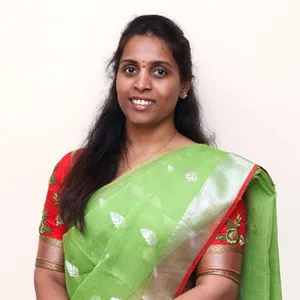
DR. NANDINI MUPPIDI
MBBS, MS OBGY...
| Experience | : | 10 Years |
|---|---|---|
| Speciality | : | Obstetrics & Gynecol... | Location | : | Kondapur |
| Timings | : | Mon - Sat : 12:00 PM... |
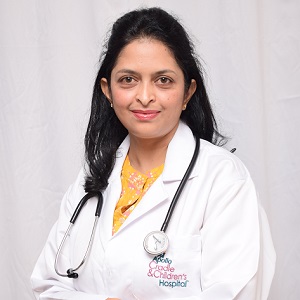
DR. PHANI MADHURI
MBBS, MS - Obstetric...
| Experience | : | 20 Years |
|---|---|---|
| Speciality | : | Obstetrics & Gynecol... | Location | : | Jayanagar |
| Timings | : | Mon - Sat : 02:30 PM... |
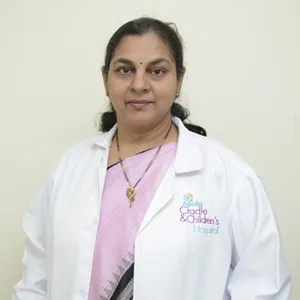
DR. NEELIMA KANTH T
MBBS, MS-Obstetrics ...
| Experience | : | 23+ Years |
|---|---|---|
| Speciality | : | Obstetrics & Gynecol... | Location | : | Jubilee Hills |
| Timings | : | Mon - Sat : 10:00AM ... |

DR. AYESHA SHARIEF
MBBS,MRCOG...
| Experience | : | 16 Years |
|---|---|---|
| Speciality | : | Obstetrics & Gynecol... | Location | : | Koramangala |
| Timings | : | Visiting Consultant... |

DR. PUNITA ARORA
MBBS, MD(Gyane/Obs)...
| Experience | : | 45 Years |
|---|---|---|
| Speciality | : | Obstetrics & Gynecol... | Location | : | Sector-14 |
| Timings | : | Mon to Sat : 9:00 AM... |

DR. SADHNA SHARMA
MBBS, MD (Gynae & Ob...
| Experience | : | 20 Years |
|---|---|---|
| Speciality | : | Obstetrics & Gynecol... | Location | : | Sector-14 |
| Timings | : | Mon to Sat : 10:00 A... |

DR. SHEELA GAUR
MBBS, DGO...
| Experience | : | 16 Years |
|---|---|---|
| Speciality | : | Obstetrics & Gynecol... | Location | : | Sector-14 |
| Timings | : | Mon : 9:00 AM to 1:0... |

DR. SWATI CHHABRA
MBBS, DGO, DNB - (Ob...
| Experience | : | 12 Years |
|---|---|---|
| Speciality | : | Obstetrics & Gynecol... | Location | : | Sector-82 |
| Timings | : | Tue to Sat: 9:00 AM ... |

DR. SWATI CHHABRA
MBBS, DGO, DNB - (Ob...
| Experience | : | 12 Years |
|---|---|---|
| Speciality | : | Obstetrics & Gynecol... | Location | : | Sector-14 |
| Timings | : | Mon to Sat : 5:00 PM... |

DR. NIRMALA KRISHNAN
MBBS, MS (Gynae & Ob...
| Experience | : | 35 Years |
|---|---|---|
| Speciality | : | Obstetrics & Gynecol... | Location | : | Sector-14 |
| Timings | : | Mon to Sun : 4:00 PM... |

DR. ANJALI BUGGA
MBBS, MS (Gynae & Ob...
| Experience | : | 34 Years |
|---|---|---|
| Speciality | : | Obstetrics & Gynecol... | Location | : | Sector-14 |
| Timings | : | Mon : 11:00 AM - 1:0... |

DR. VIJAY WALI
MBBS, MD (Gynae & Ob...
| Experience | : | 32 Years |
|---|---|---|
| Speciality | : | Obstetrics & Gynecol... | Location | : | Sector-14 |
| Timings | : | Mon, Wed & Fri : 11:... |

DR. AMRAPALI DIXIT
MBBS, MS (Ob & Gynae...
| Experience | : | 21 Years |
|---|---|---|
| Speciality | : | Obstetrics & Gynecol... | Location | : | Sector-82 |
| Timings | : | Mon - Sat : 11:00 AM... |

DR. SEEMA SANTOSH
MBBS, DGO...
| Experience | : | 16 Years |
|---|---|---|
| Speciality | : | Obstetrics & Gynecol... | Location | : | Sector-82 |
| Timings | : | Sat : 4 PM - 6 PM... |
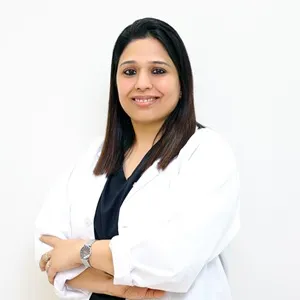
DR. RITU CHOUDHARY
MBBS, MS, FMAS Lead ...
| Experience | : | 17 Years |
|---|---|---|
| Speciality | : | Obstetrics & Gynecol... | Location | : | Electronic City |
| Timings | : | Mon to Sat : 9:30 AM... |
DR. POORNIMA RAMAKRISHNA
MBBS, MS (Obs& Gyn) ...
| Experience | : | 17 Years |
|---|---|---|
| Speciality | : | Obstetrics & Gynecol... | Location | : | Jayanagar |
| Timings | : | Mon - Fri : 10:00 AM... |
DR. MAMATHA DEVI S
She has completed MB...
| Experience | : | 33 Years |
|---|---|---|
| Speciality | : | Obstetrics & Gynecol... | Location | : | Koramangala |
| Timings | : | Tue : 01:00 PM to 02... |
DR. SHILPI SACHDEV
MBBS, DNB, DMAS...
| Experience | : | 22 Years |
|---|---|---|
| Speciality | : | Obstetrics & Gynecol... | Location | : | Moti Nagar |
| Timings | : | Mon & Wed : 10:00 AM... |
DR. NAMRATA NAGENDRA
MBBS, MS- Obstetrics...
| Experience | : | 16 Years |
|---|---|---|
| Speciality | : | Obstetrics & Gynecol... | Location | : | Electronic City |
| Timings | : | Mon to Sat : 10:00 A... |
DR. MAYURI AHUJA
MBBS, DNB, DGO...
| Experience | : | 14 Years |
|---|---|---|
| Speciality | : | Obstetrics & Gynecol... | Location | : | Greater Noida |
| Timings | : | Mon to Sat : 04:00 P... |
DR. KANTI SAHU
MBBS, DGO, DNB (OBGY...
| Experience | : | 23 Years |
|---|---|---|
| Speciality | : | Obstetrics & Gynecol... | Location | : | Brookefield |
| Timings | : | Mon - Fri : 02:00 PM... |
DR. KAVITHA V REDDY
MBBS, DGO...
| Experience | : | 19 Years |
|---|---|---|
| Speciality | : | Obstetrics & Gynecol... | Location | : | Brookefield |
| Timings | : | Mon to Sat : 09:00 A... |
DR. TEJASWINI D
MBBS, DGO, DNB (OBG)...
| Experience | : | 11+ Years |
|---|---|---|
| Speciality | : | Obstetrics & Gynecol... | Location | : | Koramangala |
| Timings | : | On Call... |
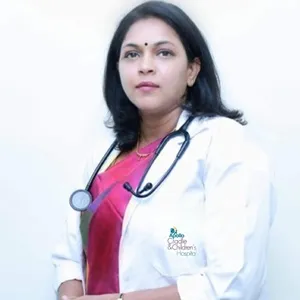
DR. HEMAVATHI SRINIVASAN
MBBS, DNB (OBG), FFM...
| Experience | : | 22 Years |
|---|---|---|
| Speciality | : | Obstetrics & Gynecol... | Location | : | Koramangala |
| Timings | : | Mon - Sat : 05:00 PM... |

DR. JEEVA P BAL
MBBS...
| Experience | : | 13+ Years |
|---|---|---|
| Speciality | : | Obstetrics & Gynecol... | Location | : | Koramangala |
| Timings | : | On call... |
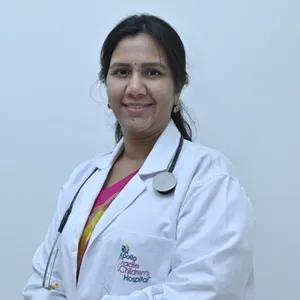
DR. SAHITI M
MBBS, MS - Obstetric...
| Experience | : | 10+ Years |
|---|---|---|
| Speciality | : | Obstetrics & Gynecol... | Location | : | Koramangala |
| Timings | : | Mon to Sat : On Call... |
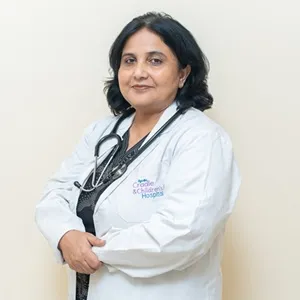
DR. RITU TIWARI
MBBS, DNB...
| Experience | : | 25 Years |
|---|---|---|
| Speciality | : | Obstetrics & Gynecol... | Location | : | Indirapuram |
| Timings | : | Fri : 02:00 PM to 04... |
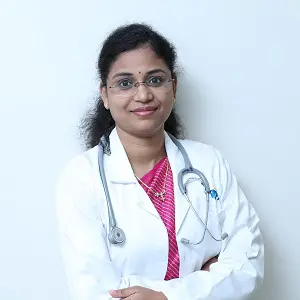
DR. DHIVYAMBIGAI RAJENDRAN
MBBS., DNB(OG)., FMA...
| Experience | : | 15+ Years |
|---|---|---|
| Speciality | : | Obstetrics & Gynecol... | Location | : | Karapakkam |
| Timings | : | Mon - Sat : 11:00 ... |
DR. RAJSRI J SHANKAR
MBBS, MRCOg (UK)...
| Experience | : | 30+ Years |
|---|---|---|
| Speciality | : | Obstetrics & Gynecol... | Location | : | Karapakkam |
| Timings | : | Mon - Sat : 11:30 AM... |
DR. SINDHU BHARGAVI
MBBS, DNB(OG), MRCOG...
| Experience | : | 20+ Years |
|---|---|---|
| Speciality | : | Obstetrics & Gynecol... | Location | : | Karapakkam |
| Timings | : | Mon - Sat : 11:00 AM... |
DR. JANANI IYER
MBBS, MD, MRCOG(UK),...
| Experience | : | 25+ Years |
|---|---|---|
| Speciality | : | Infertility Speciali... | Location | : | Karapakkam |
| Timings | : | Mon, Wed & Fri : 10:... |
DR. AMUDHA HARI
MBBS, DGO, PHD, Dip ...
| Experience | : | 35+ Years |
|---|---|---|
| Speciality | : | Obstetrics & Gynecol... | Location | : | Karapakkam |
| Timings | : | Mon to Sat : 10:30 A... |
DR. KARTHIGA DEVI
MBBS, MS(OG)...
| Experience | : | 20+ Years |
|---|---|---|
| Speciality | : | Obstetrics & Gynecol... | Location | : | Karapakkam |
| Timings | : | Mon - Sat : 11:00 AM... |
DR. NITHIYAA JEYAKUMAR
MBBS, DGO, DNB(OG), ...
| Experience | : | 18+ Years |
|---|---|---|
| Speciality | : | Obstetrics & Gynecol... | Location | : | Karapakkam |
| Timings | : | Mon - Sat : 12:30 PM... |
DR. SHAILZA VARDHAN
MBBS - S.N Medical C...
| Experience | : | 11 Years |
|---|---|---|
| Speciality | : | Obstetrics & Gynecol... | Location | : | Greater Noida |
| Timings | : | Mon to Sat : 4:00 PM... |
DR. GEETA CHADHA
MBBS, MD...
| Experience | : | 41 Years |
|---|---|---|
| Speciality | : | Obstetrics & Gynecol... | Location | : | Chirag Enclave |
| Timings | : | Mon - Sat : 10:00 AM... |
DR. RANJANA SHARMA
MS, MRCOG (UK), FROG...
| Experience | : | 36 Years |
|---|---|---|
| Speciality | : | Obstetrics & Gynecol... | Location | : | Chirag Enclave |
| Timings | : | Mon - Fri : 10:00 AM... |
DR. POOJA CHOUDHARY
MBBS, MD...
| Experience | : | 20 Years |
|---|---|---|
| Speciality | : | Obstetrics & Gynecol... | Location | : | Chirag Enclave |
| Timings | : | Mon to Sat : 11:00 A... |
DR. POONAM MISRA
MBBS, DGO, MRCOG...
| Experience | : | 40 Years |
|---|---|---|
| Speciality | : | Obstetrics & Gynecol... | Location | : | Chirag Enclave |
| Timings | : | Mon - Sat : 4:00 PM ... |
DR. POONAM TARA
MBBS, MD, MRCOG PART...
| Experience | : | 25 Years |
|---|---|---|
| Speciality | : | Obstetrics & Gynecol... | Location | : | Chirag Enclave |
| Timings | : | Tue, Wed & Fri: 09:0... |

DR. MEENAKSHI T. SAHU
MBBS, MD, DNB, MRCOG...
| Experience | : | 20 Years |
|---|---|---|
| Speciality | : | Obstetrics & Gynecol... | Location | : | Chirag Enclave |
| Timings | : | Mon - Sat : 6:00 PM ... |
DR. RUSHDA RIAZ
MBBS, DGO, F. MAS, D...
| Experience | : | 13 Years |
|---|---|---|
| Speciality | : | Obstetrics & Gynecol... | Location | : | Indirapuram |
| Timings | : | Mon,Wed & Sat : 09:0... |
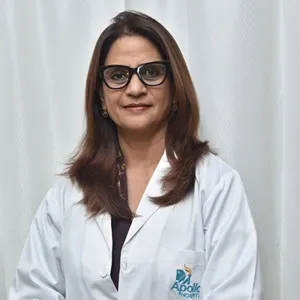
DR. SEEMA SHARMA
MBBS MD (OBGYN)...
| Experience | : | 24 Years |
|---|---|---|
| Speciality | : | Obstetrics & Gynecol... | Location | : | Abadi Court Road |
| Timings | : | Mon to Sat : 10:00 A... |
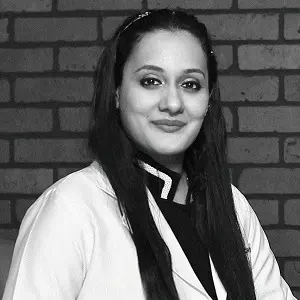
DR. RUCHI TANDON
MBBS, MS...
| Experience | : | 15+ Years |
|---|---|---|
| Speciality | : | Laparoscopic Surgeon... | Location | : | Chirag Enclave |
| Timings | : | Mon - Sat : 10:00 AM... |
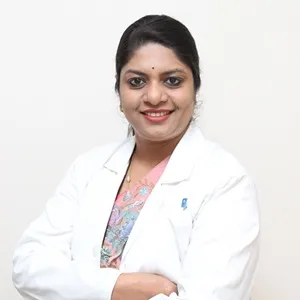
DR. SWETHA CHANDRASEKAR
MBBS, MS(OG),FMAS,Fe...
| Experience | : | 14+ Years |
|---|---|---|
| Speciality | : | Obstetrics & Gynecol... | Location | : | Karapakkam |
| Timings | : | Mon to Sat : 11:00 A... |
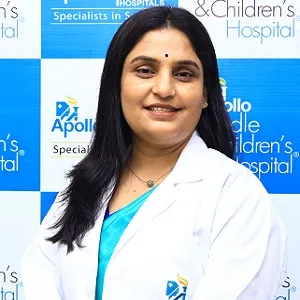
DR. ANSHU RAINA
MBBS, MD...
| Experience | : | 18 Years |
|---|---|---|
| Speciality | : | Obstetrics & Gynecol... | Location | : | Greater Noida |
| Timings | : | Mon - Sat : 9:00 AM ... |
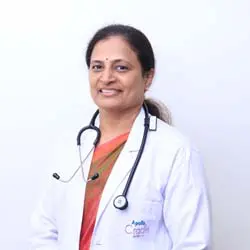
DR. MAHITA REDDY A
MBBS, MD (OBS & GYN)...
| Experience | : | 30+ Years |
|---|---|---|
| Speciality | : | Obstetrics & Gynecol... | Location | : | Jubilee Hills |
| Timings | : | Mon, Wed, Fri & Sat ... |

DR. ANU JOESPH
MBBS, DNB...
| Experience | : | 18+ Years |
|---|---|---|
| Speciality | : | Fetal Medicine/Obste... | Location | : | Electronic City |
| Timings | : | Mon to Sat : 4:00 PM... |
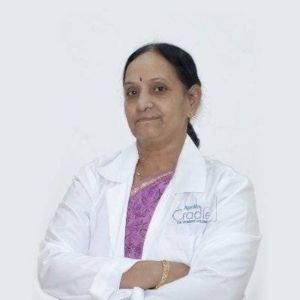
DR. VIJAYA MANOHAR
MBBS, MD (OBG)...
| Experience | : | 36 Years |
|---|---|---|
| Speciality | : | Obstetrics & Gynecol... | Location | : | Koramangala |
| Timings | : | Mon to Sat : 10:30 A... |
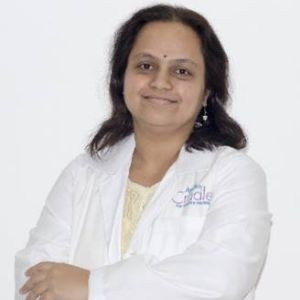
DR. POORNIMA RAMAKRISHNA
MBBS, MS (Obs& Gyn) ...
| Experience | : | 17 Years |
|---|---|---|
| Speciality | : | Obstetrics & Gynecol... | Location | : | Koramangala |
| Timings | : | Mon to Fri : 3:00 PM... |
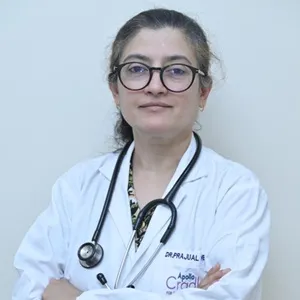
DR. PRAJUAL HEGDE S
MBBS, MD (OBG)...
| Experience | : | 23 Years |
|---|---|---|
| Speciality | : | Obstetrics & Gynecol... | Location | : | Koramangala |
| Timings | : | Mon to Fri : 2:00 PM... |
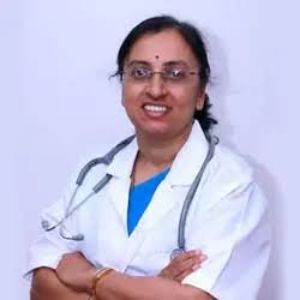
DR. NAGARATHNA DS
MBBS, DGO...
| Experience | : | 28 Years |
|---|---|---|
| Speciality | : | Obstetrics & Gynecol... | Location | : | Koramangala |
| Timings | : | Mon to Sat : 12:00 P... |
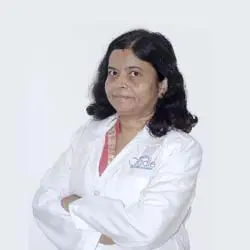
DR. KRISHNA SHAW
MBBS, DGO...
| Experience | : | 20 Years |
|---|---|---|
| Speciality | : | Obstetrics & Gynecol... | Location | : | Koramangala |
| Timings | : | Sun : 3:30 PM to 5:0... |
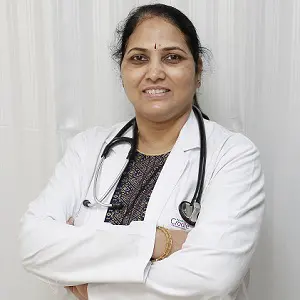
DR. THEJASWINI PATIL
MBBS,MD,FEDM,Endocri...
| Experience | : | 20 Years |
|---|---|---|
| Speciality | : | Obstetrics & Gynecol... | Location | : | Koramangala |
| Timings | : | Mon, Wed & Fri : 2:0... |
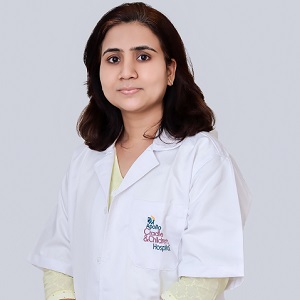
DR. NIVEDITA JHA
MBBS (KGMC, Lucknow)...
| Experience | : | 12 Years |
|---|---|---|
| Speciality | : | Obstetrics & Gynecol... | Location | : | Koramangala |
| Timings | : | Mon to Sat : 6:30 PM... |

DR. SHILPA APTE
MBBS, DGO...
| Experience | : | 21 Years |
|---|---|---|
| Speciality | : | Obstetrics & Gynecol... | Location | : | Koramangala |
| Timings | : | Mon, Wed, Fri & Sat ... |
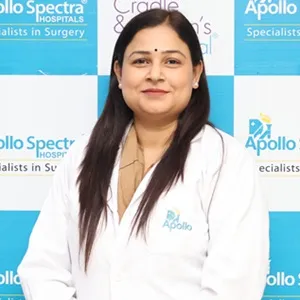
DR. ARTI YADAV
MBBS, MS (Obs& Gynec...
| Experience | : | 14 Years |
|---|---|---|
| Speciality | : | Obstetrics & Gynecol... | Location | : | Greater Noida |
| Timings | : | Mon - Sat : 10:00 AM... |
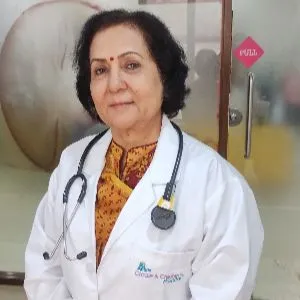
DR. SUMAN KHARBANDA
MBBS, MS - Obstetric...
| Experience | : | 36 Years |
|---|---|---|
| Speciality | : | Obstetrics & Gynecol... | Location | : | Moti Nagar |
| Timings | : | Mon/Tue/Thur & Fri :... |
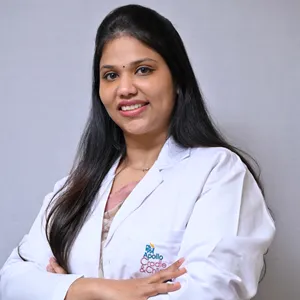
DR. JAKKA SAI MANASA REDDY
MBBS, MS - Obstetric...
| Experience | : | 13 Years |
|---|---|---|
| Speciality | : | Obstetrics & Gynecol... | Location | : | Brookefield |
| Timings | : | Mon, Wed, Thur & Fri... |
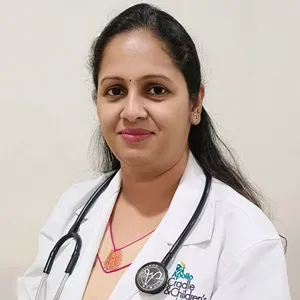
DR. ANANYA RANGASWAMY
MBBS, MS(OBG), Speci...
| Experience | : | 13 Years |
|---|---|---|
| Speciality | : | Obstetrics & Gynecol... | Location | : | Rajajinagar |
| Timings | : | Mon - Sat : 9:00 AM ... |
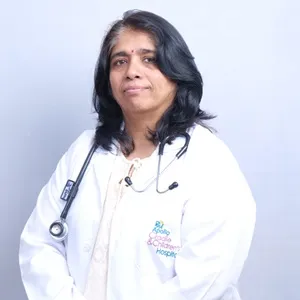
DR. GARIMA JAIN
MBBS, DNB, CIMP, CGC...
| Experience | : | 20 Years |
|---|---|---|
| Speciality | : | Obstetrics & Gynecol... | Location | : | Brookefield |
| Timings | : | Mon & Fri : 09:00 AM... |
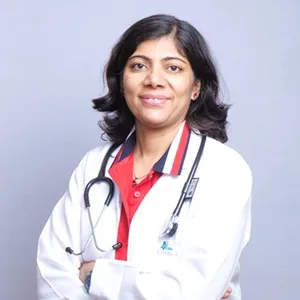
DR. APARNA JHA
MBBS, MS, DNB (OBGY)...
| Experience | : | 20 Years |
|---|---|---|
| Speciality | : | Obstetrics & Gynecol... | Location | : | Brookefield |
| Timings | : | Mon, Tue, Thu & Fri ... |
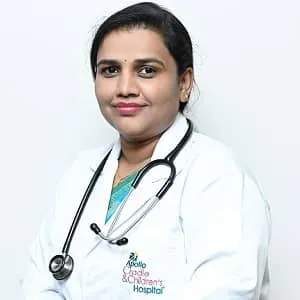
DR. SWETHA R V
MBBS, DNB(OBG)...
| Experience | : | 6 Years |
|---|---|---|
| Speciality | : | Obstetrics & Gynecol... | Location | : | Rajajinagar |
| Timings | : | Mon - Sat : 11:00 AM... |

PROF. DR. BHARATHI RAJANNA
MBBS, MD(OBG), FMAS,...
| Experience | : | 35 Years |
|---|---|---|
| Speciality | : | Obstetrics & Gynecol... | Location | : | Rajajinagar |
| Timings | : | Mon - Sat : 11:30 AM... |
DR. VANGALLU PADMINI SILPA
DGO DNB MNAMS FMAS...
| Experience | : | 16 Years |
|---|---|---|
| Speciality | : | Obstetrics & Gynecol... | Location | : | Kondapur |
| Timings | : | Mon - Sat : 10:00 AM... |
DR. JASMIN RATH
MBBS, MD...
| Experience | : | 16 Years |
|---|---|---|
| Speciality | : | Obstetrics & Gynecol... | Location | : | Kondapur |
| Timings | : | Mon - Sat : 09:00 AM... |
DR. SRI LAKSHMI DURGA MARRIVADA
MBBS, DNB, (OBGY)...
| Experience | : | 5 Years |
|---|---|---|
| Speciality | : | Obstetrics & Gynecol... | Location | : | Kondapur |
| Timings | : | Mon - Sat : 1:00 PM ... |
DR. PADMAVATHI P
MBBS, DGO, DNB...
| Experience | : | 8 Years |
|---|---|---|
| Speciality | : | Obstetrics & Gynecol... | Location | : | Kondapur |
| Timings | : | Mon to Sat : 12:00 P... |
DR. JAYA AGARWAL
MBBS, DGO, DNB, DGE...
| Experience | : | 17 years |
|---|---|---|
| Speciality | : | Laparoscopic Surgeon... | Location | : | Chirag Enclave |
| Timings | : | Mon, Wed, & Fri : 05... |
DR. GARIMA MAAN
MBBS, MS, DNB...
| Experience | : | 8 Years |
|---|---|---|
| Speciality | : | Obstetrics & Gynecol... | Location | : | Indirapuram |
| Timings | : | Mon to Sat : 09:00 A... |
DR. KANAKA SESHU K
MBBS, MS(OBG), Speci...
| Experience | : | 10+ Years |
|---|---|---|
| Speciality | : | Obstetrics & Gynecol... | Location | : | Rajajinagar |
| Timings | : | Mon to Sat : 1:30 PM... |
DR. TEJASHRI SHROTRI
MBBS, MS, MRCOG...
| Experience | : | 23 Years |
|---|---|---|
| Speciality | : | Laparoscopic Surgeon... | Location | : | Chirag Enclave |
| Timings | : | Mon - Sat : 11:00 AM... |
.webp)
DR. REENA KHANDELWAL
MBBS, MD...
| Experience | : | 32+ Years |
|---|---|---|
| Speciality | : | Laparoscopic Surgeon... | Location | : | Chirag Enclave |
| Timings | : | Mon & Wed : 12:00 PM... |
DR. SANJIDA YASMIN
MBBS, DGO, DNB...
| Experience | : | 15+ Years |
|---|---|---|
| Speciality | : | Laparoscopic Surgeon... | Location | : | Chirag Enclave |
| Timings | : | Mon - Sat : 04:00 PM... |

DR. CHITRA SHANKAR
MBBS, MD, MRCOG DRM ...
| Experience | : | 25 Years |
|---|---|---|
| Speciality | : | Obstetrics & Gynecol... | Location | : | Karapakkam |
| Timings | : | On Call... |
DR. PARIMALAM RAMANATHAN
MBBS, MD(OG), DNB, M...
| Experience | : | 25+ Years |
|---|---|---|
| Speciality | : | Obstetrics & Gynecol... | Location | : | Karapakkam |
| Timings | : | Mon to Sat : 4:00 PM... |
DR. SOWMYA RAGHAVAN
MBBS, MD, DGO, DNB(O...
| Experience | : | 30+ Years |
|---|---|---|
| Speciality | : | Obstetrics & Gynecol... | Location | : | Karapakkam |
| Timings | : | Mon to Sat : 1:00 PM... |
DR. REKHA PRASHANTH
MBBS, MD...
| Experience | : | 27 Years |
|---|---|---|
| Speciality | : | Obstetrics & Gynecol... | Location | : | Koramangala |
| Timings | : | Mon to Sat : 05:00 P... |

DR. DHWARAGA J
MBBS, MS(OG),DGO...
| Experience | : | 22 Years |
|---|---|---|
| Speciality | : | Obstetrics & Gynecol... | Location | : | Karapakkam |
| Timings | : | Mon to Sat : 12:00 P... |
DR. PROF. SADHNA KALA
MBBS, MS, FICOG, FAC...
| Experience | : | 51+ Years |
|---|---|---|
| Speciality | : | Laparoscopic Surgeon... | Location | : | Chirag Enclave |
| Timings | : | Mon to Sat : 10:00 A... |

DR. BHAVNA BANGA
MBBS, MS, Fellowship...
| Experience | : | 19 Years |
|---|---|---|
| Speciality | : | Obstetrics & Gynecol... | Location | : | Chirag Enclave |
| Timings | : | Mon, Wed & Fri : 2:0... |
DR. MITA VERMA
MBBS - BRD Medical C...
| Experience | : | 34+ Years |
|---|---|---|
| Speciality | : | Laparoscopic Surgeon... | Location | : | Chirag Enclave |
| Timings | : | Mon to Sat : 10:00 A... |
DR. DHARAM DEVI VERMA
MBBS, MS...
| Experience | : | 19 Years |
|---|---|---|
| Speciality | : | Obstetrics & Gynecol... | Location | : | Indirapuram |
| Timings | : | Mon to Sat 01:00 PM ... |
DR. SMITA B KALAPPA
MBBS, MS, DNB, MRCOG...
| Experience | : | 11+ Years |
|---|---|---|
| Speciality | : | Obstetrics & Gynecol... | Location | : | Jayanagar |
| Timings | : | Mon to Sat : 2:30 PM... |
DR. RUCHIKA SOOD
MBBS, MS, Diploma i...
| Experience | : | 10 Years |
|---|---|---|
| Speciality | : | Obstetrics & Gynecol... | Location | : | Chirag Enclave |
| Timings | : | Tue, Thur & Sat : 2:... |
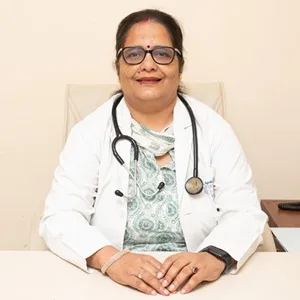
DR. HEMA SHARMA JHA
MBBS - Chaudhary Cha...
| Experience | : | 25 Years |
|---|---|---|
| Speciality | : | Obstetrics & Gynecol... | Location | : | Indirapuram |
| Timings | : | Mon, Wed, Thu, Fri, ... |
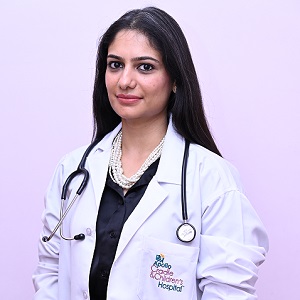
DR. NAMRATA NAGENDRA
MBBS, MS...
| Experience | : | 16+ Years |
|---|---|---|
| Speciality | : | Obstetrics & Gynecol... | Location | : | HSR layout 2nd Sector |
| Timings | : | Mon,Tue,Thurs,Fri & ... |
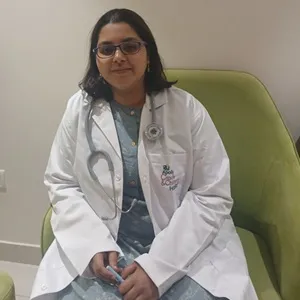
DR. GAUTHAMI M
MBBS, MS(OBG), FMIS ...
| Experience | : | 7+ Years |
|---|---|---|
| Speciality | : | Laparoscopic Surgeon... | Location | : | HSR layout 2nd Sector |
| Timings | : | Mon to Sun : 6:30 PM... |
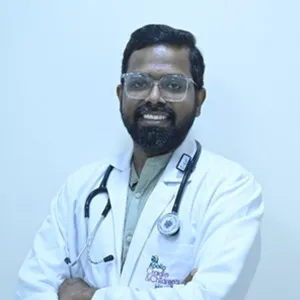
DR. NANDEESH REDDY
MBBS, MS - Obstetric...
| Experience | : | 4+ Years |
|---|---|---|
| Speciality | : | Obstetrics & Gynecol... | Location | : | HSR layout 2nd Sector |
| Timings | : | Mon to Sun : 03:30 P... |
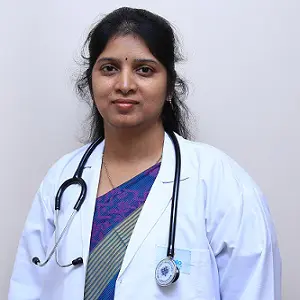
DR. SUDHA MADHURI
MBBS, DGO, MRCOG (UK...
| Experience | : | 25 Years |
|---|---|---|
| Speciality | : | Obstetrics & Gynecol... | Location | : | Kondapur |
| Timings | : | Mon to Sat : 10:00 A... |
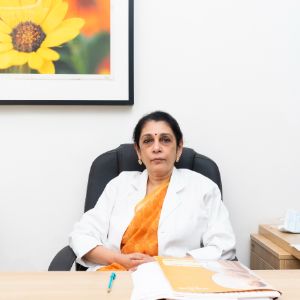
DR. YUVAKSHI JUNEJA
MBBS, MD...
| Experience | : | 38 Years |
|---|---|---|
| Speciality | : | Laparoscopic Surgeon... | Location | : | Chirag Enclave |
| Timings | : | Monday to Saturday- ... |
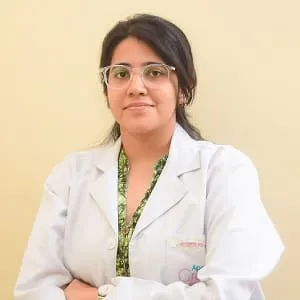
DR. NITIKA GROVER
MBBS, MS (OBGYN)...
| Experience | : | 8 Years |
|---|---|---|
| Speciality | : | Obstetrics & Gynecol... | Location | : | Moti Nagar |
| Timings | : | Monday: 10:00 AM to ... |

Copyright @ 2026,Apollo Cradle. All Rights Reserved