Can You Eat Papaya During Pregnancy? Everything You Should Know
September 22, 2026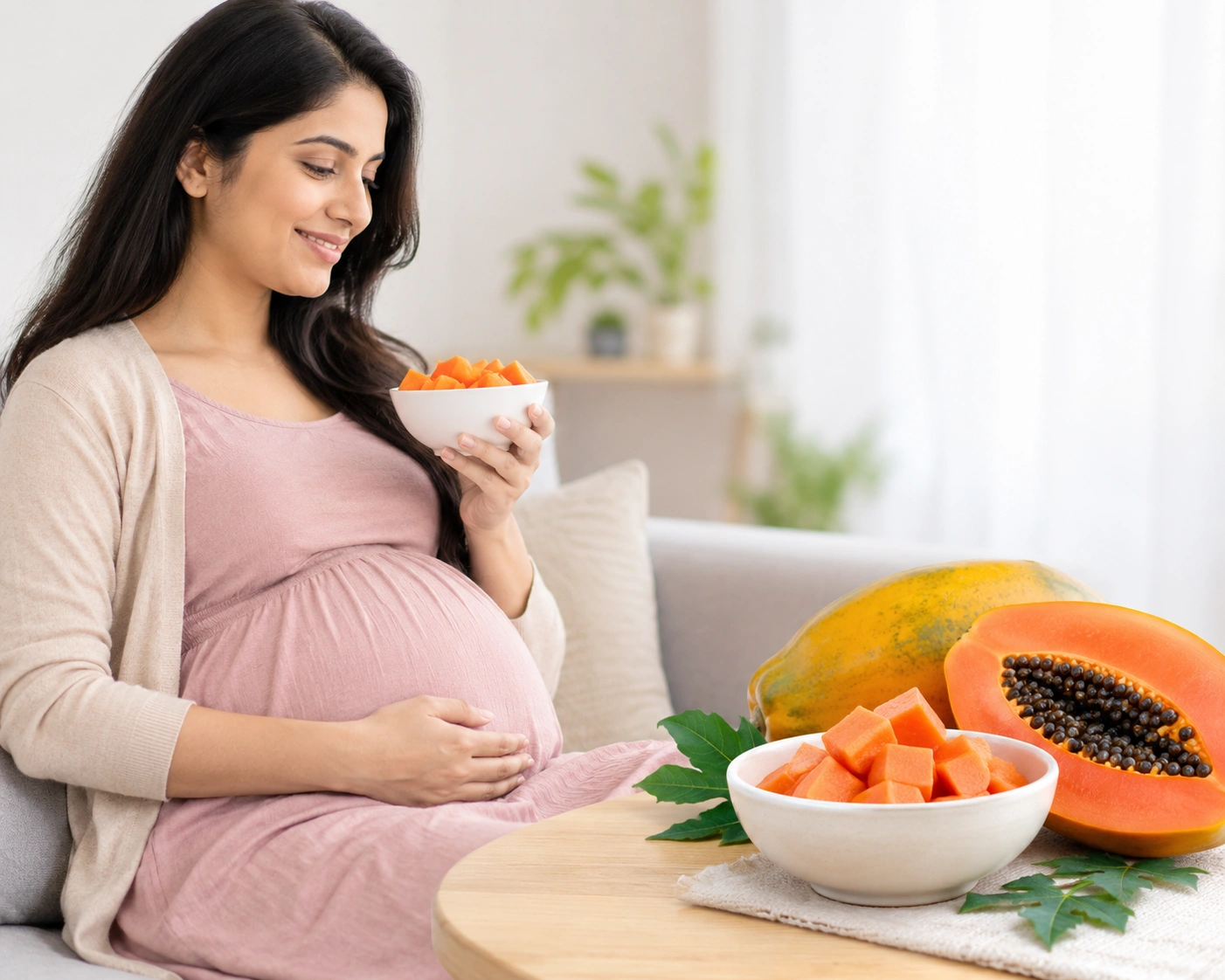
Papaya is one of those fruits that pregnant women hear conflicting advice about. Some relatives insist it should be avoided completely, while nutrition experts often say the opposite. The truth lies somewhere in between, and it depends largely on the ripeness of the fruit.
Papaya is rich in vitamins, fibre, and antioxidants, all of which are genuinely useful during pregnancy. But unripe or semi-ripe papaya carries compounds that can pose real risks. Understanding this difference is the key to enjoying papaya safely through your pregnancy.
Can You Eat Papaya During Pregnancy?
In most cases, yes, ripe papaya is fine to eat during pregnancy, and in moderate amounts, it can even be a healthy addition to your diet. It's soft, mildly sweet, and sits more easily on the stomach than the raw version does.
The concern isn't papaya as a whole fruit. It's the latex (a milky white liquid released when the skin of an unripe, green papaya is cut) and papain (a proteolytic enzyme) found mostly in unripe and semi-ripe papaya. These compounds have been linked to uterine contractions, which is why the raw or green version gets flagged so often, particularly during the first and third trimesters.
So if papaya is something you enjoy, don't rule it out entirely. Choose fully ripe fruit, keep portions modest, and pay attention to how your body reacts afterwards. And if you've had any pregnancy complications in the past or you're simply not sure, talk to your doctor before making it a regular habit.
Top Key Papaya Benefits in Pregnancy
Here are some key benefits of eating papaya in pregnancy:
- Helps Keep Digestion on Track: Hormonal shifts during pregnancy, particularly rising progesterone levels, often slow digestion and contribute to constipation. The fibre content in ripe papaya can help ease this discomfort.
- Supports Immune Health: Ripe papaya provides a good amount of vitamin C, which supports immune health and improves the body's absorption of iron, a nutrient essential to support your growing baby and placenta.
- Benefits Eye and Skin Health: The fruit is a good source of beta-carotene, which the body converts into vitamin A. This nutrient contributes to eye health and skin condition for the mother, with indirect benefits for the baby as well.
- Provides Folate: Ripe papaya also contains folate, which supports early fetal development and helps lower the risk of neural tube defects. It’s important to note that folate is a supplement to your prescribed folic acid, and not a replacement for it.
- Keeps Blood Pressure in Check: Papaya contains potassium, which plays a role in maintaining healthy blood pressure, an important consideration to monitor throughout pregnancy.
Ripe vs Unripe Papaya in Pregnancy
This is really where the whole debate starts: which one should you eat and which one should you avoid? Let’s settle that.
Ripe and unripe papaya aren't just different in taste. They're chemically different enough to matter for pregnancy safety.
| Ripe Papaya in Pregnancy | Unripe Papaya in Pregnancy |
| Ripe papaya is soft, orange right throughout, and usually sweeter. Its latex content drops sharply as it ripens, which is part of why it's considered the safer option. | Unripe or semi-ripe papaya is firmer, paler or greenish, and carries much higher amounts of latex and papain. These are the compounds tied to cervical softening and possible contractions, so this is the version worth avoiding altogether during pregnancy. |
A quick way to judge it? If it's fully orange, gives slightly when pressed, and tastes sweet, you're probably looking at a safe piece of fruit. Anything green, hard, or half-ripened is best left alone.
Why Is Raw Papaya Not Recommended in Pregnancy?
Cut open a raw papaya, and you'll notice a milky, white sap. That's the latex, and it's loaded with papain along with a few other active enzymes. This combination has a long history, both in traditional medicine and more recent clinical observation, of being linked to uterine stimulation. In early pregnancy especially, this has raised concerns around premature contractions and, in some cases, miscarriage risk.
The latex is at its strongest when the papaya is unripe, and it fades noticeably as the fruit matures. That's essentially the whole reasoning behind the raw-versus-ripe distinction doctors bring up.
There's also a more practical issue. Raw papaya doesn't digest as easily, and some women find it leaves them bloated or uncomfortable.
Safe Ways to Include Papaya in a Pregnancy Diet
Want to keep papaya on your plate without the risk? A few things help:
- Pick papaya that's fully ripe, soft, and orange with no green patches left.
- Rinse it well before cutting, as surface residue isn't something you want to eat.
- Keep portions moderate rather than going all in on one sitting.
- Skip the seeds and skin, as they hold more papain than the flesh does.
- Leave semi-ripe or unripe papaya out of smoothies, salads, and cooked dishes entirely.
- If cramping or discomfort shows up after eating it, stop and check with your doctor.
The Bottom Line
Papaya doesn't have to disappear from your pregnancy diet altogether. The ripe version, eaten consciously, brings real nutritional value, fibre, vitamin C, folate, and more. What deserves genuine caution is the raw or semi-ripe fruit, where latex and papain levels are high enough to matter, particularly in the earlier and later stages of pregnancy.
Like most pregnancy diet questions, this one comes down to staying informed and not leaving things to chance. Choose ripe, well-washed papaya, and when you're unsure, ask. At Apollo Cradle, one of the best hospitals for pregnancy care in Bangalore, Hyderabad, Chennai, and other cities, our specialists help you work through exactly these kinds of dietary questions so you're never left guessing what's actually safe for you and your baby. Book your appointment today for comprehensive guidance and support at every stage of pregnancy.
Ripe papaya can genuinely help during pregnancy, offering fibre, vitamin C, and folate that support digestion and immunity. It's the unripe version that's best avoided.
Yes, in most cases. Fully ripe papaya carries far less latex than the raw fruit and tends to digest more comfortably, so moderate amounts are generally considered fine.
There's no set week for this. Many women choose to wait until after the first trimester and stick to small amounts of ripe papaya even then. If you've had complications, it's worth checking with your doctor first.
Raw or unripe papaya is generally regarded as the fruit to avoid, mainly due to its latex and papain content. Pineapple is occasionally mentioned as well, though the evidence linking it to pregnancy risk remains limited.
Our Doctors

DR. ANITHA M
MBBS, DRNB Plastic S...
| Experience | : | 8 Years |
|---|---|---|
| Speciality | : | Plastic Surgeon/Gyna... | Location | : | Rajajinagar |
| Timings | : | Mon - Sun : 2:00 PM ... |

DR. SHEELA R
MBBS, MD(OBG & GNY)...
| Experience | : | 7+ Years |
|---|---|---|
| Speciality | : | Gynaecologist/Infert... | Location | : | HSR layout 2nd Sector |
| Timings | : | Mon to Sat : 9:45 AM... |

Copyright @ 2026,Apollo Cradle. All Rights Reserved