Understanding Chickenpox Symptoms: Early Signs, Stages & When to See a Doctor
February 9, 2026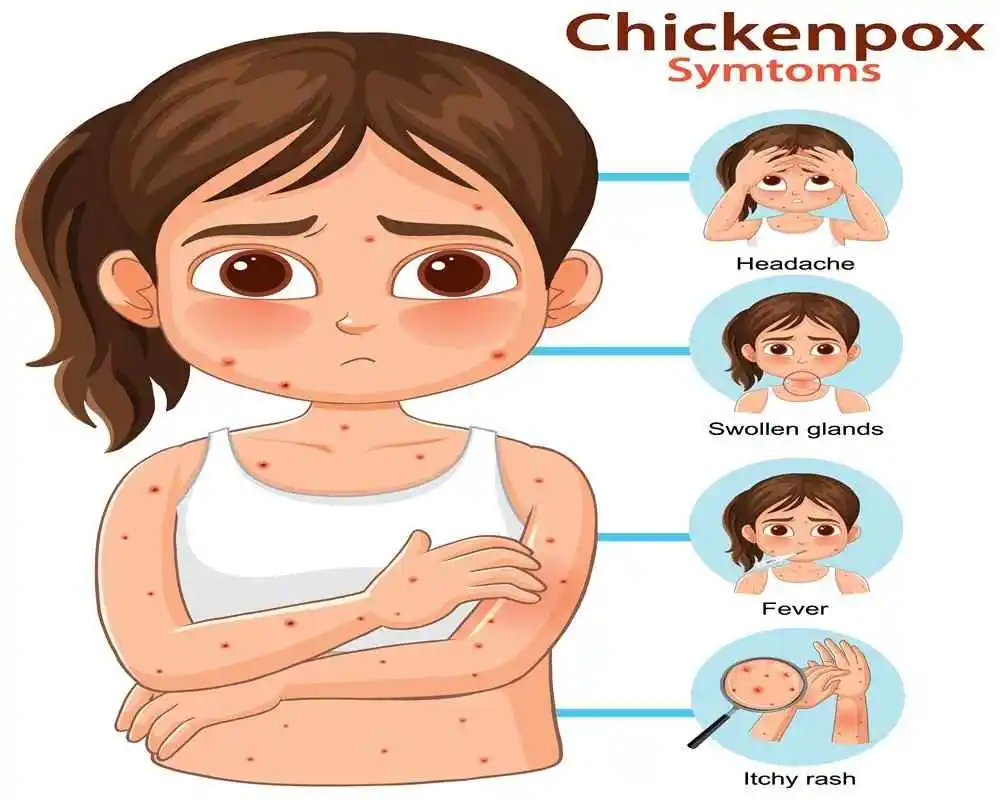
Key Takeaways:
- Chickenpox is a highly infectious viral disease that affects primarily children but can happen at any age and even be worse.
- Early symptoms include fever, tiredness, headaches, and lack of appetite, followed by an itchy rash, then blistering, and eventually scabbing.
- Most infections are mild and resolve within a week, although severe complications may occur in the more prone groups.
- Consult a doctor if symptoms worsen considerably, especially in infants, pregnant women, adults, and those with low immune systems.
- Vaccination is the most effective way to protect against chickenpox infection.
People usually associate chickenpox with childhood, itchy skin rashes, and a one-week absence from school. But the infection can appear at any age and can become virulent. Although chickenpox is no longer a major threat because of vaccination, cases continue to occur, especially among those who aren’t protected. Identifying symptoms and knowing when to seek medical attention are two key steps toward a safe recovery.
What Is Chickenpox?
Chickenpox, medically known as varicella, is a highly contagious viral disease caused by the varicella-zoster virus (VZV). It typically results in an itchy, blister-like rash, fever, and general discomfort.
The infection most commonly affects children aged 4 to 10 years, but it may occur at any age. Chickenpox is a problem still prevalent in India, with multiple cases reported in the last decade. In addition, more than 30% of individuals over 15 years old may remain susceptible to infection, particularly if they were not exposed earlier in life or were not vaccinated.
The majority of cases are mild in otherwise healthy children, but it can be more serious in adults, adolescents, pregnant women, newborns, and people with weak immune systems. After recovery, the virus does not completely disappear from the body. Instead, it remains inactive in the nerve tissue and may reactivate as shingles (herpes zoster) years later, often when immunity is lower.
Causes and How Chickenpox Spreads
The varicella-zoster virus, a DNA virus belonging to the herpesvirus family, causes chickenpox.
Note: This is not the same virus that causes genital herpes, a sexually transmitted infection.
Chickenpox is very easy to spread from person to person. In fact, the disease can occur in up to 90% of non-immune individuals who are not immune and come into contact with an infected person.
The virus can spread via:
- Respiratory droplets spread into the air when an infected person coughs or sneezes
- Contact with fluid from chickenpox blisters
- Contact with contaminated surfaces (this occurs less often)
A person infected with chickenpox becomes contagious 1 to 2 days before the rash erupts and stays contagious until all blisters have crusted over.
Early Symptoms of Chickenpox
Several early warning signs may be present before the rash develops. They typically start 1-2 days before skin eruption. Early chickenpox symptoms may include:
- Fever
- Tiredness or weakness
- Loss of appetite
- Headache
The rash can be the first visible sign for young children, and many miss about 5-6 days of school or childcare because of the illness. Adults, however, are more likely to exhibit flu-like symptoms before the rash develops.
Stages of Chickenpox Rash
Chickenpox rash generally develops in three stages and shows up in waves over several days.
- Stage 1: Red, bumpy rashes appear on the chest, back, and face and may last for days.
- Stage 2: This rash becomes fluid-filled blisters, which normally break open in one to two days.
- Stage 3: The blisters dry, crust, and turn into scabs (usually taking a week), and the stage lasts several days after healing.
How Long Does Chickenpox Last?
Chickenpox usually lasts around 4 to 7 days, but some people with weakened immune systems may take longer to recover.
Possible Chickenpox Complications
Chickenpox is generally mild, although it can also cause serious complications, such as
- Skin infections due to bacteria
- Pneumonia (or lung infection), particularly in adults
- Brain inflammation (encephalitis), a rare but serious condition
- Sepsis or bloodstream infection
- Bleeding problems
- Dehydration
Although uncommon, chickenpox complications can lead to hospitalisation and, in some instances, death, even in otherwise healthy unvaccinated children and adults.
Chickenpox Treatment and Home Care
There is no certain cure for chickenpox, but treatment options include alleviating symptoms and preventing complications.
Home care measures:
- Keep the skin clean and dry
- Apply calamine lotion or other doctor-recommended creams to relieve itching symptoms
- Cutting fingernails to prevent scratching and skin infections
- Ensure plenty of fluids and adequate rest
- Using medication prescribed by a doctor to reduce fever (Aspirin should never be given to children suffering from viral diseases.)
Medical treatment:
Doctors may prescribe antiviral medicine for:
- Adults
- Pregnant women
- People with weakened immune systems
- Severe infections
Treatment is most effective when started within 24 hours of the rash appearing.
Who Is at Higher Risk?
In certain groups, complications are more likely:
- Adults who have never had chickenpox or received any type of vaccination
- Pregnant women
- Newborn babies
- People with cancer, HIV, or reduced immunity
- People taking steroid or immunosuppressant drugs
These groups should seek medical advice promptly if exposure to or chickenpox symptoms occur.
When to Seek Medical Advice
- Fever higher than 102°F (or 39°C)
- Breathing becomes difficult
- Rash spreads to the eyes
- Severe vomiting, drowsiness, or confusion occurs
- Blisters become very red, swollen, or painful
- The symptoms occur during pregnancy or adulthood
Chickenpox symptoms in infants and young babies always require immediate attention due to the high risks of complications.
Prevention and Vaccination
Timely vaccination is the best way to prevent chickenpox among infants and children. Varicella vaccination prevents the infection and reduces the severity of the illness if it occurs. Follow recommended immunisation schedules and avoid contact with infected people to further reduce the risk.
Conclusion
Chickenpox is a contagious viral disease, but symptoms are generally mild and last about a week. Recognising early signs, history, and warning signs of infection is essential for preventing the risk of spreading the infection to others.
The safest and most effective way of protection is through vaccination. If you want to know more about the symptoms and treatment of chickenpox, you should consult a doctor. Remember, prevention is always the best cure.
Early symptoms of chickenpox include fever, tiredness, headache, and decreased appetite, followed by an itchy rash which eventually turns into small fluid-filled blisters.
Contact can spread the varicella zoster virus, such as through the fluid in blisters or respiratory droplets. Avoid direct contact until blisters have crusted.
Lukewarm baths could help relieve itching. Avoid strong soaps and heavy scrubbing.
It's rare. Most people experience mild rash or fever, though vaccinated individuals may suffer very mild illness.
Fever is a common early symptom of chickenpox, particularly among older children and adults.

Copyright @ 2026,Apollo Cradle. All Rights Reserved