Bronchiolitis: Causes, Symptoms & Treatment Guide
March 18, 2026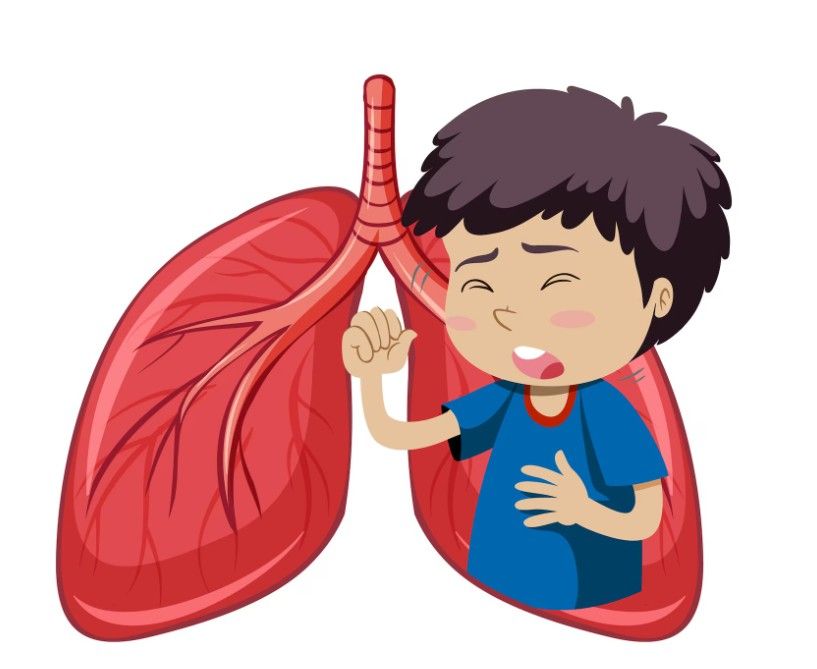
What is bronchiolitis?
Bronchiolitis is an infection of the small airways (bronchioles) of the lungs, causing swelling and mucus buildup. It commonly leads to breathing problems in infants and children under 2 years of age.
- Bronchiolitis is most often caused by respiratory syncytial virus (RSV), but it can also be caused by other viruses such as rhinovirus, parainfluenza, influenza, and metapneumovirus.
- These viruses can also cause common cold symptoms such as fever, runny nose, and cough.
How is bronchiolitis treated?
- Bronchiolitis is diagnosed based on your child’s medical history, symptoms, and a physical examination.
- It is treated the same way regardless of the virus causing the illness, so routine testing is usually not required.
- Symptoms are typically worst between days 3–5 of illness and usually improve by day 7, although the cough may last for several weeks.
What should I expect during the hospital stay?
Since bronchiolitis is caused by a virus, there is no specific medication to cure it. The main goal is to support your child while their body fights the infection.
Supportive care may include:
- Providing oxygen through a nasal cannula if your child’s oxygen levels are low
- Giving intravenous (IV) fluids if your child is unable to drink enough
- Relieving nasal congestion through suctioning
- Administering fever medication (paracetamol) to keep your child comfortable
What can I do to help?
You can support your child’s recovery by:
- Encouraging adequate fluid intake
- Assisting with nasal suctioning (our nurses will guide you)
- Ensuring regular suctioning (at least every 4 hours), which may help your child recover faster and go home sooner
What criteria are monitored before discharge?
Your child may be discharged when:
- Oxygen levels remain above 88% without support for at least 8 hours
- Your child is drinking enough fluids to stay hydrated
- A follow-up visit with your paediatrician is planned within 2–3 days
- You feel confident caring for your child at home
What should I expect after going home?
Your child may continue to have symptoms such as fast or noisy breathing, fever, and congestion for several days. A cough may persist for 2–4 weeks.
At home:
- Wash your hands frequently to prevent infection spread
- Avoid exposing your child to cigarette smoke, as second-hand smoke can worsen symptoms
- Continue encouraging fluid intake
- Use nasal suctioning to relieve congestion
- Give paracetamol as needed for fever or discomfort
- Avoid over-the-counter cough and cold medications
When should I seek medical care?
Contact your doctor if your child has:
- Worsening breathing problems, including:
- Faster breathing
- Increased effort in breathing
- Use of extra muscles to breathe
- Difficulty feeding due to breathing issues
- Fever lasting more than 5 days
- A new fever after initial improvement
- Fewer than 3 wet diapers per day
- Poor fluid intake
- Increased irritability or unusual sleepiness
- Any other concerning symptoms
Apollo Cradle & Children’s Hospital, Jubilee Hills
Department of Pediatrics and Neonatology
Dr K. Krishna Swaroop Reddy | Dr K. Raja Subba Reddy | Dr P. Shiv Kumar Reddy

Copyright @ 2026,Apollo Cradle. All Rights Reserved