Lactation: Meaning, Stages & Benefit for Mother & Baby
March 17, 2026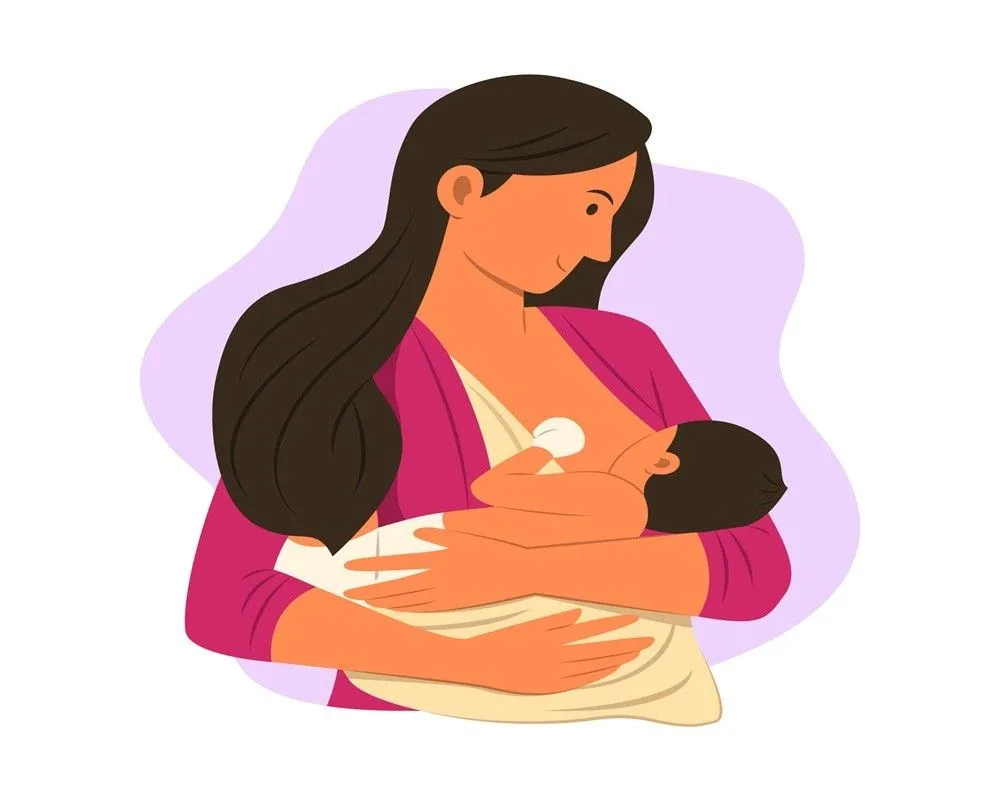
Lactation 101: Definition, Benefits & Stages
A mother’s body is a wonder! When a little one is born, it can turn tiny amounts of nutrients into a complete meal for a newborn - the miracle of lactation. Feeding the baby is only part of the function. It also protects, heals, and helps them grow. In fact, even before the baby arrives, a mother's body begins preparing for lactation by regulating hormones, growing milk glands, and adding antibodies.
This article will look at lactation and answer some of the most common questions.
What Is Lactation?
Lactation is a natural process in which the mammary glands, commonly known as the breasts, produce milk to nourish a baby. This natural process occurs due to hormonal changes during pregnancy.
Lactation is fully functional after childbirth. In some instances, it can be induced without pregnancy using pregnancy hormones (induced lactation).
It is important to note that breastfeeding and lactation are not the same. Lactation is the process of producing milk, while breastfeeding (or nursing) is the act of feeding a baby directly from the breasts.
Milk production is primarily regulated by two lactation hormones:
- Prolactin, which initiates the production of milk
- Oxytocin, which triggers the release of milk from the breast, also referred to as the ‘let down reflex’
Lactation, while biologically natural, is also a process that must be learned. Mothers and infants adapt over time, and some difficulties are common at the beginning. With appropriate counselling and support, most women can breastfeed successfully.
How Lactation Works in the Body
Now that you know the definition of lactation, let’s understand how it works.
Lactation commences long before the infant is born. During pregnancy, the increase in oestrogen and progesterone promotes the preparation of the breast for lactation. The milk-producing structures in the breast, called alveoli, develop and expand.
Once the baby is born, the placenta is also delivered, causing oestrogen and progesterone levels to fall. This fall in hormone levels signals prolactin to start synthesising milk.
Here’s how the lactation process works:
|
Alveoli (produce and store milk) ⬇ Lobules (clusters of alveoli) ⬇ Lobes (several lobules per lobe) ⬇ Milk ducts (carry milk to the nipple) ⬇ Areola (nerve endings respond to suckling) ⬇ Nipple (milk exits through pores or small openings) ⬇ Baby suckling ⬇ Nerve signals travel to the brain ⬇ The brain releases prolactin (stimulates milk production) and oxytocin (triggers milk release) ⬇ Milk flows from alveoli through ducts to the nipple
|
This system operates on supply and demand: the more you feed your baby, and the more effectively, the more milk your body will make. It's important to keep your breasts as empty as possible to maintain milk supply.
Also Read: Indian Superfoods for Nursing Mothers to Increase Breast Milk Supply
Stages of Lactation
The process of lactation has three main stages:
-
Lactogenesis I (Colostrum Phase)
This stage begins in mid-pregnancy (typically about week 16) and continues into the first few days after birth (postpartum). During this phase, the breasts produce colostrum, a thick, yellowish fluid that contains antibodies, protein, and immune factors.
Colostrum is called “liquid gold” because it:
- Supports the baby’s immune system to fight against pathogens
- Helps clear the newborn’s first stool, also called meconium
- Provides concentrated nutrients in small quantities
-
Lactogenesis II (Transitional Milk)
This phase typically takes place 2-5 days postpartum. Mothers also describe this phase as the time their milk "arrives." The breasts are more engorged, warmer, and slightly tender.
The milk volume increases further at this stage, and the composition changes from colostrum to transitional milk with higher fat and lactose content.
-
Lactogenesis III (Mature Milk Production)
This stage is also called galactopoiesis. During this lactation period, milk continues to be secreted. Unlike colostrum, mature milk is thinner and richer in nutrients like fat, carbohydrates, proteins, vitamins, and antibodies.
At this stage, milk supply is largely regulated by feeding frequency. Consistent breastfeeding is required to maintain a steady supply.
Benefits of Lactation for Mother and Baby
Some of the top benefits for the child include:
- Complete and easily digestible food
- Antibodies that offer protection from infections
- Less chance of respiratory infections and diarrhoea
- Lower chance of sudden infant death syndrome (SIDS) and even long-term obesity risk
Breast milk changes to meet the child’s needs, unlike formula milk.
Top benefits for the mother include the following:
- Helps the uterus return to pre-pregnancy size
- Less bleeding after delivery
- Burning extra calories aids the process of weight loss
- Less chance of breast and ovarian cancer
- Reduced risk of developing type 2 diabetes
Breastfeeding also promotes emotional bonding through skin-to-skin contact and the release of the lactation hormone oxytocin, often called the “love hormone.”
Diet and Nutrition Tips for Better Lactation
A balanced diet for a lactating mother is essential to support steady milk production and overall well-being.
- Drink a lot of water to stay hydrated. At least 8 cups of water should be taken daily.
- Breastfeeding women need more energy and therefore should consume more calories daily.
- Protein-rich foods should be included in the diet, as they support tissue repair and milk production. These foods are eggs, lentils, dairy products, tofu, meat, and nuts.
- Healthy fats, like avocados, seeds, and oily fish, should be included in the diet to obtain beneficial fatty acids. However, avoid fish with high mercury content.
- Include vitamin C-rich foods, such as citrus fruits, berries, bell peppers, and tomatoes, to stay healthy.
- Limit foods and drinks containing high caffeine content.
- Avoid alcohol and smoking.
Before adding supplements to your routine, consult a doctor. Most importantly, frequent
Also Read: Breastfeeding Techniques: Positions, Latch & Comfort Guide
When to Seek Help from a Lactation Consultant
Consider seeking assistance if:
- The baby is not gaining weight sufficiently
- Feeding hurts
- Nipples are cracked or bleeding
- The baby is having difficulty latching
- Milk production appears to be very low or has suddenly decreased
A certified lactation consultant can evaluate the baby’s positioning and feeding technique. Early intervention can stop small problems from turning into big ones.
Final Thoughts
During the breastfeeding period, knowledge, patience, and support go a long way. Whether women breastfeed for a few weeks or for many months, understanding the process of breastfeeding will help them to make confident choices for themselves and their babies.
Yes, lactation can occur without pregnancy through the administration of hormones or certain drugs and constant stimulation of the breasts. Some adoptive mothers adopt this method of lactation.
Lactational amenorrhoea is the absence of periods, which is a result of exclusive breastfeeding, leading to the absence of ovulation. This method, however, does not guarantee that a woman cannot conceive, as ovulation may return before the first period.
Milk secretion starts in the form of colostrum during pregnancy. Full lactation starts 2-3 days after birth with the release of prolactin and oxytocin.

Copyright @ 2026,Apollo Cradle. All Rights Reserved