Understanding C-Section Recovery: Timeline, Risks, and What to Expect
January 19, 2026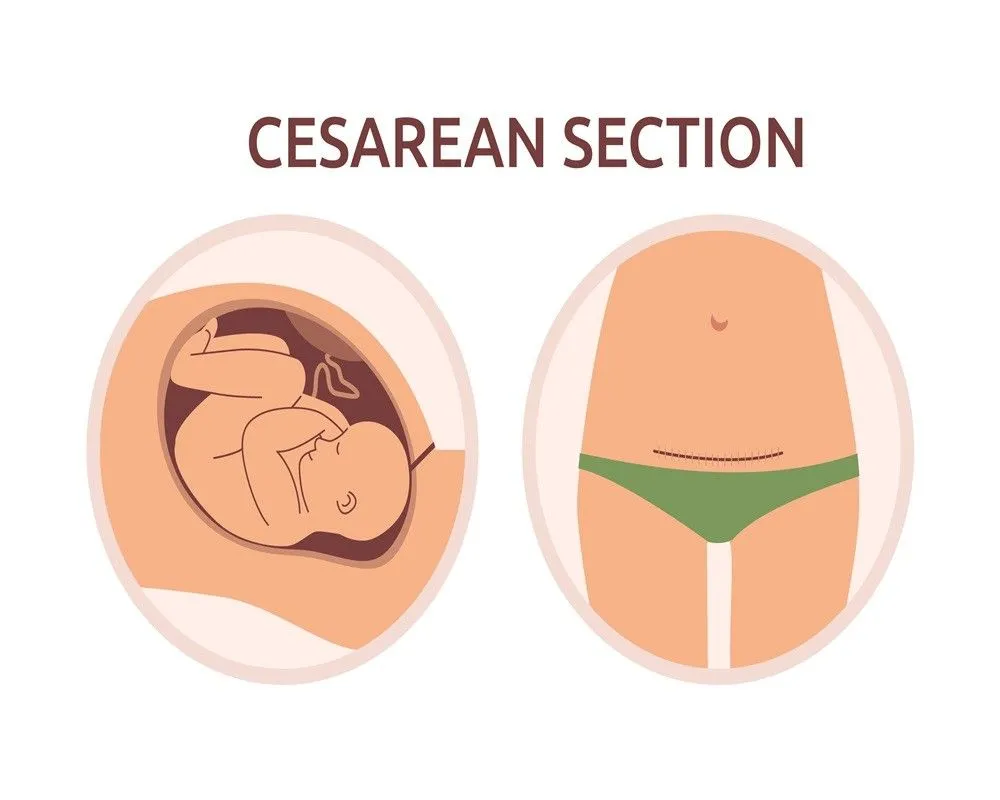
Recovery from a caesarean section, also known as a C-section, is a personal process and uniquely different for every parent. In India, one in five women has C-sections (21.5%). [1] It is a major abdominal procedure, and recovery takes time, patience and support. Understanding what to expect after a C-section can help you care for yourself as you adjust to your new role as a mother.
What Is a C-Section?
A caesarean section, or caesarean delivery, is a surgical procedure that allows you to deliver a child through incisions (cuts) in the abdomen and uterus. It can be planned in advance or performed as an emergency during labour if complications occur. C-sections are common in India and are generally safe, though their recovery times are longer than for vaginal births.
Why Is a C-Section Performed?
Your doctor may recommend a C-section if you have any of the following medical problems:
- Prolonged or stalled labour
- Previous caesarean delivery/deliveries
- Cephalopelvic disproportion (CPD) - baby too large or pelvis too small
- Fetal distress - baby showing signs of low oxygen
- Placenta previa - the placenta blocks the cervix, causing unsafe delivery
- Breech presentation - baby is positioned feet or bottom first
- Multiple pregnancies
- Placental abruption - the placenta splits early from the uterine wall
- Umbilical cord prolapse or compression - the cord cuts off the baby’s oxygen supply
- Maternal health conditions like hypertension or severe infections
What to Expect During a C-Section
During the procedure, you will most likely be under spinal or epidural anaesthesia, which numbs the lower part of your body while still keeping you awake. The surgery itself typically takes between 45-60 minutes. You may feel pressure or pulling, but not pain. After a C-section, the incision is carefully closed, and you are taken to a recovery area to be monitored. Most parents can hold or see their baby shortly after birth, based on the circumstances.
What to Expect in the First Few Weeks
During the first few weeks after a C-section, your body is healing from the surgery and coping with post-delivery changes. This may include the following symptoms:
- Incision tenderness and soreness at the operative site
- Continuous fatigue associated with the recovery and lack of sleep
- Uterine cramping, as the uterus shrinks back
- Vaginal bleeding (lochia) that may last several weeks
- Difficulty with standing, coughing, laughing, and bending
- Slower movement and limited physical mobility
- Hormonal fluctuations causing mood swings or emotional sensitivity
- Sleep deprivation from newborn care and feeding
- Increased need for help with daily activities
Accepting help during a C-section recovery time aids in the healing process and minimises stress, both physically and emotionally.
Also Read: Normal vs. C-Section Delivery
C-Section Recovery Timeline (Week 1 to Week 6)
Here is a typical week-by-week C-section recovery timeline:
Week 1:
The most common symptoms are pain and swelling during the first week. Walking for short distances helps to prevent blood clots, but don’t forget to rest. You’ll likely need prescription or over-the-counter painkillers. Remember, severe internal pain after a C-section needs to be checked immediately.
Week 2:
The discomfort usually begins to ease, though the sudden movements can still cause pain. You may find it easier to do small household chores, but do not lift anything heavier than your baby.
Weeks 3-4:
Energy levels improve slowly. The incision should be healing, although pain or numbness is not unusual. People tend to be more mobile but should avoid vigorous exercise.
Weeks 5-6:
Most mothers, at this point, feel much better. A follow-up visit usually occurs around six weeks postpartum in order to support proper healing and discuss the possibility of resuming normal activities such as exercise or intimacy.
Managing Pain and Postpartum Symptoms
Proper pain management and symptom control can make caesarean section recovery more comfortable. Some helpful strategies include:
- Taking prescription pain medications or approved pain relievers (like ibuprofen, acetaminophen, or others) from a doctor.
- Using a pillow to support your abdomen when coughing or moving.
- Walking short distances to improve circulation and reduce stiffness.
- Drinking plenty of fluids to keep you hydrated.
- Eating foods that contain fibre (including whole grains, legumes, fruits, vegetables, and seeds) to prevent constipation and bloating.
- Expecting night sweats as hormones adjust after birth.
- Allowing time for emotional changes, such as mood swings and anxiety.
- Resting whenever possible and avoiding excessive exercise.
What to Eat After a C-Section for Fast Recovery
A healthy diet is important for injury prevention as well as recovery and energy after surgery.
Focus on the following foods when you plan your diet:
- Eggs, lean meats, beans, and yoghurt to boost tissue repair.
- Iron-rich foods (including spinach, tofu, dates and lentils) compensate for the loss of blood.
- Fresh fruits (berries, apples, pears, oranges, and tomatoes) for vitamins and immune support.
- Vegetables (such as broccoli, carrots, spinach, beetroot, pumpkin, and sweet potatoes) can help with digestion and overall health.
- Whole grains such as oatmeal and brown rice give you energy over long periods.
- Nuts and seeds for healthy fats and nutrients.
Quick Post C-Section Care Tips
- Keep the incision clean, dry and check it regularly.
- Wear loose, high-waisted clothing to avoid friction.
- Take pain medications on time and as directed.
- Use a pillow to support your abdominal muscles as you move.
- Walk for a short distance to improve circulation.
- Avoid lifting anything heavier than your baby.
- Drink plenty of fluids and eat healthy.
- Sleep and rest if your baby sleeps.
- Don’t drive until you have your doctor’s permission.
- Do gentle motions, but do not do vigorous exercises.
- Ask for help with the household chores.
Remember to listen to your body and pace yourself accordingly.
When to Reach Out to Your Doctor
Some pain is expected, but there are symptoms that should not be ignored. These include:
- Increased pain, redness, swelling or discharge surrounding the incision site.
- A temperature above 100.4°F (38°C).
- Heavy vaginal bleeding.
- Vaginal bleeding with a foul smell.
- Chest pain.
- Breathing difficulty.
Summary
Recovery after a C-section is not a race. While the physical healing often follows a predictable timeline, emotional recovery may take longer, and that is perfectly normal. Understanding what is happening in your body, giving it the proper nutrients, and knowing when to rest and when to move can help make the experience much more manageable.
Many women can have a vaginal birth after a C-section (VBAC), but it depends on the type of previous incision, pregnancy condition, and medical care. Discuss risks and benefits with your doctor.
Light bending may be harmless after 2-3 weeks if done gently. Avoid pulling or bending too hard until your doctor clears you, usually six weeks postpartum.
Yes, as tissues heal, mild internal pain or pulling sensations may be experienced. This can take several weeks. Serious pain should be examined by a doctor.
Your belly may feel numb, swollen, or loose after surgery due to tight muscles or damaged nerves. These sensations tend to improve gradually over time.

Copyright @ 2026,Apollo Cradle. All Rights Reserved