11 Best Vitamin D-Rich Foods for Immunity and Strong Bones
March 17, 2026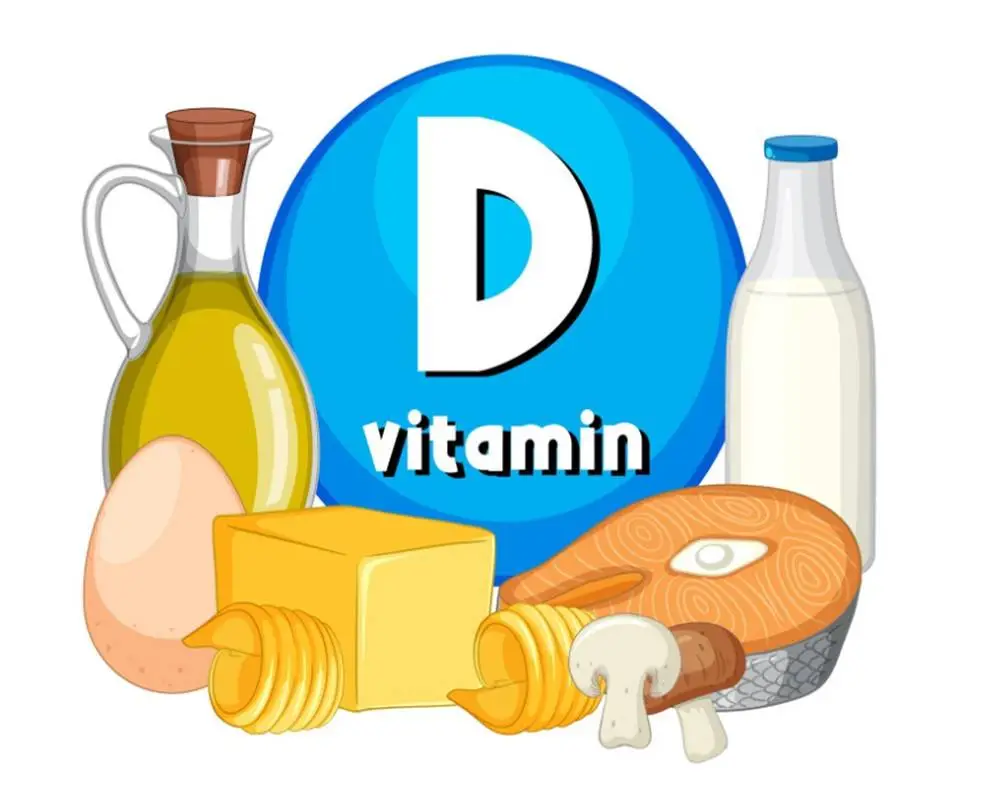
Vitamin D has been touted as the “sunshine vitamin,” but direct sunlight exposure doesn’t always provide your body with enough of it. Spending most of your time indoors, applying sunscreen, seasonal changes, and your skin pigmentation are all factors that affect vitamin D synthesis. That’s why it’s important to know what the best vitamin D-rich foods are - to build strong bones and maintain a resilient immune system.
What Is Vitamin D and Why Does It Matter?
Vitamin D, also referred to as calciferol, is a fat-soluble vitamin that serves as a hormone in the human body. Along with being naturally present in a few foods, it is also produced in the body endogenously when sunlight’s ultraviolet (UV) rays strike the skin. It helps the body absorb calcium and phosphorus, essential minerals necessary for the growth and maintenance of healthy bones and teeth.
There are two types of vitamin D:
- Vitamin D2, or ergocalciferol, is found primarily in plant-based and fortified foods.
- Vitamin D3, or cholecalciferol, is present in animal-derived foods and is synthesised in your skin through sunlight exposure.
The National Institutes of Health (NIH) suggests that vitamin D may also play a role in regulating the immune system, muscle function, and inflammation.
It’s important to understand that even if your diet provides sufficient calcium, your body won’t be able to absorb it unless you have adequate amounts of vitamin D.
Here’s a table of daily recommended amounts in micrograms (mcg) and International Units (IU):
|
Age/Life Stages |
Recommended Amount |
|
0-1 year |
10 mcg or 400 IU |
|
1-13 years |
15 mcg or 600 IU |
|
14-18 years |
15 mcg or 600 IU |
|
19-70 years |
15 mcg or 600 IU |
|
71 years+ |
20 mcg or 800 IU |
|
Pregnant and breastfeeding women |
15 mcg or 600 IU |
Benefits of Vitamin D for Stronger Immunity and Bone Health
- Supports Strong Bones
Vitamin D is important for calcium absorption in the intestines. The absence of this vitamin, therefore, may result in the following bone-related problems:
- Rickets in children
- Osteomalacia (softened bones) for adults
- Osteoporosis (weak bones)
- Boosts Immune Function
Vitamin D, a key immunomodulator, is essential for activating human immune cells against disease-causing organisms. Scientific studies indicate that the presence of this vitamin is vital for the following health benefits[5] :
- Builds the body's resistance to respiratory infections
- Regulates the inflammatory response
- Increases pathogen-fighting cells
- Supports gut immune health
- Improves Muscle Function
The absence of vitamin D has also been found to weaken muscles and increase the risk of falls, especially in the elderly.
Signs of Vitamin D Deficiency
Vitamin D deficiency is surprisingly common, affecting about 1 billion people. Lack of vitamin D leads to the following symptoms:
- Fatigue or lack of energy
- Frequent colds or infections
- Bone pain or lower back pain
- Muscle weakness
- Mood changes
People at increased risk include the elderly, people with darker complexions, those who spend a lot of time indoors, and individuals on a strict vegan diet.
Also Read: Dos and Don’ts of Infant Nutrition
Top Natural Vitamin D-Rich Foods
The following are some of the top foods that contain vitamin D:
- Fatty Fish
Fatty fish contain high amounts of vitamin D.
- Salmon (3.5 oz / 100g, cooked) - 360-600 IU
- Mackerel (3.5 oz) - ~360 IU
- Sardines (2 sardines) - ~45 IU
Wild-caught salmon has higher amounts of vitamin D than farmed salmon. Adding fatty fish twice a week can increase vitamin D intake.
- Cod Liver Oil
Cod liver oil is another rich source of vitamin D, as 1 tablespoon contains 1,360 IU. It also provides vitamin A and omega-3 fatty acids. However, due to its potency, cod liver oil should be taken with caution, as it may lead to an overdose of vitamin A.
- Egg Yolks
The yolk of an egg is the part that contains vitamin D, with 35-45 IU present in an egg yolk. Eggs from pasture-raised hens or hens fed vitamin D-enriched feed may contain higher amounts.
- Mushrooms
Mushrooms are the only vegetables that can produce vitamin D when they come into contact with the sun’s rays. While the amount of vitamin D present in regular mushrooms is relatively low, UV-treated mushrooms contain 300-400 IU of vitamin D per 1/2 cup. Always check the packaging of the mushrooms to see if they contain UV-treated mushrooms.
- Cow’s Milk
Cow’s milk is usually fortified with vitamin D. Generally, a cup of milk contains about 100-120 IU. It also provides calcium, making it a strong combination for bone health.
- Plant-Based Beverages
Many plant-based milks are fortified.
- Almond milk: One cup of almond milk is usually fortified with about 100 IU.
- Soy milk: One cup of fortified soy milk typically has about 100-120 IU.
- Oat milk: One cup of fortified oat milk generally has 100 IU.
Always check labels, as fortification varies.
- Yoghurt (Fortified)
One cup of fortified yoghurt is usually fortified with about 80-120 IU. Remember, not all yoghurt contains vitamin D, so choose fortified varieties.
- Orange Juice (Fortified)
Fortified orange juice is also a good source of vitamin D for people who do not consume dairy products. One cup of fortified orange juice usually has about 100 IU.
- Fortified Cereals
Usually, one serving of fortified cereals contains about 40–100 IU. If you consume cereals along with fortified milk, you can get almost double the amount of vitamin D required.
- Tofu
Some brands of tofu contain vitamin D. Half a cup of tofu is usually fortified with almost 80–100 IU. It also provides calcium and protein, making it a good option for vegetarians.
- Infant Formula
Infant formula is fortified to meet babies’ vitamin D requirements, especially important for those not exclusively breastfed. One cup of infant formula is usually fortified with about 400 IU.
Also Read: Solid Foods for Babies: Safety, Nutrition, and Best First Foods
How to Meet Your Daily Vitamin D Needs Safely
- Eat fatty fish two times a week.
- Drink fortified dairy products and/or plant-based drinks daily.
- Expose yourself to the sun for 10 to 30 minutes several times a week.
- Consider taking vitamin D if your blood level is low.
For most adults, the upper safe limit is 4,000 IU a day unless otherwise directed. Taking too much vitamin D can lead to toxicity, which may cause nausea, kidney problems, and calcium buildup in the blood.
Conclusion
Vitamin D is vital in the development and maintenance of strong bones and a strong immune system. While your body can synthesise vitamin D, the need for this vitamin from food is vital during the winter months or when your body has limited exposure to UV rays.
Fatty fish and cod liver oil are the richest sources of vitamin D, while milk, fortified plant-based drinks, yoghurt, cereals, and orange juice have also been found to be significant sources of dietary intake of the sunshine vitamin.
With these small actions in your daily diet, you will be able to maintain strong levels of vitamin D to support your bone strength and immune system throughout your life.
Vegetarians can obtain vitamin D from UV-exposed mushrooms, fortified milk and plant-based drinks, fortified cereals, yoghurt, tofu, and orange juice.
Cod liver oil is the richest source of vitamin D, followed by fatty fish like salmon and mackerel. Milk and plant-based drinks are the best sources of vitamin D from fortified foods.
While supplements can help overcome a deficiency, especially if a doctor has prescribed them, you should remember that foods provide a variety of nutrients, such as protein, calcium, and fat, that are essential for health.

Copyright @ 2026,Apollo Cradle. All Rights Reserved