Menopause Clinic
April 30, 2026
Menopause is a biological milestone at which the reproductive life of a woman ends naturally. Most women undergo this phase between 47 and 55 years old, with the average age being 52. However, despite being a natural event that every woman goes through, menopause is deeply personal. While some women may find it gradual and easy to cope with, others can expect physical distress, emotional ups and downs, and other health issues that require medical help.
At Apollo Cradle & Children’s Hospital, menopausal care is built around the understanding that there is no “one size fits all” when it comes to experiencing this transition. In simpler terms, no two women experience menopause in the same way. With decades of experience in women’s healthcare, we offer well-planned, clinically guided counselling and support that help women navigate menopause with knowledge, ease, and, most importantly, confidence.
Understanding Menopause and the Transition Phase
Menopause is clinically diagnosed when a woman has not experienced any menstrual periods for 12 continuous months. The years leading up to this phase, before reaching menopause, are called perimenopause, which is characterised by changes in hormone levels, particularly a reduction in oestrogen and progesterone.
Perimenopausal cycles can be irregular, and menopausal symptoms start appearing in this phase. This period may extend up to several years, and careful observation is required during this phase to detect any possible health conditions that might arise during menopause.
Menopause may come earlier than expected in certain women. This happens when there is surgical intervention, such as oophorectomy, where the ovaries are surgically removed, or medical intervention involving chemotherapy and radiotherapy. These instances call for a more structured approach in managing menopause because of the abrupt change in hormones.
Also Read: Menstrual Hygiene: Your Guide to Sustainable, Zero Waste Periods
Recognising the Signs and Symptoms of Menopause
While symptoms may vary, some common issues experienced include:
- Irregular menstrual cycles
- Flashes of intense warmth or hot flashes, often accompanied by nighttime sweats
- Vaginal dryness resulting in painful intercourse
- Urinary discomfort
- Disrupted sleep schedule and chronic exhaustion
- Mood swings, characterised by irritability, nervousness, or depression
- Slow metabolism with gradual weight gain
- Dryness of skin, eyes, or mouth
- Increasingly severe premenstrual syndrome (PMS)
- Tender breasts
- Stiff joints and reduced bone density
- Changes in libido (sex drive)
- Poor concentration and occasional memory lapses
- Hair fall or hair thinning
- Heart palpitations
Menopause Care at Apollo Cradle
Lifestyle Intervention
In most cases, basic modifications will help create an impact. Women are advised on diet planning, exercise, sleep, and techniques such as yoga and meditation for hormonal balance.
Non-Hormonal Treatment Options
Several other methods might prove effective in cases where women do not meet the requirements for hormone therapy. Such treatment alternatives include medication for specific symptoms, dietary changes, and inclusion of phytoestrogen-rich foods (such as soy products, chickpeas, sesame seeds, whole grains, apples, berries, carrots, spinach, lentils, and more) to support hormonal balance naturally.
Hormone Replacement Therapy (HRT)
In cases when it is medically indicated, HRT can be considered one of the best options available to treat moderate to severe symptoms of menopause. In Apollo Cradle, it can only be done following a comprehensive analysis of the patient’s medical history.
Preventive Medicine
Menopause is an essential stage in life that stresses the importance of preventive medicine. Imbalanced hormones during menopause can make women more vulnerable to diseases like osteoporosis (weakening of the bones), cardiovascular issues, and metabolic disorders.
Also Read: Polycystic Ovary Syndrome (PCOS)
Health Check-Up Plan for Menopause
To diagnose and treat any possible menopause-related complications, Apollo Cradle has designed a dedicated menopause health package. It includes:
- Hemogram
- Blood sugar test (HBA1C)
- Cholesterol test
- Kidney function test (serum creatinine)
- Vitamin D levels
- Thyroid hormone test (TSH)
- ECG (electrocardiogram)
The above-mentioned tests provide a complete evaluation of health conditions, thus making it easier for doctors to prescribe the right treatment.
Integrated Women’s Healthcare Expertise
What distinguishes Apollo Cradle from others is its continuity of care. The hospital offers specialised gynaecological care throughout a woman’s life, starting from her teenage years until she hits menopause. The specialists include gynaecologists, skilled nurses, and diagnostic experts working together to provide comprehensive care.
In addition to consultation, the hospital supports minimally invasive as well as advanced surgical procedures that reduce recovery time and improve patient comfort.
Taking Steps Forward
Menopause is a period of change. If treated properly, it can become a time in your life where health and wellness become priorities.
Access to the right resources, screening, and treatment plans tailored specifically for each individual can surely go a long way in ensuring this transformation happens smoothly. At Apollo Cradle & Children's Hospital, this is our goal for all our patients - access to information that will help them make the best choices for themselves.
For further information, schedule a consultation with us today by calling 18605004424.
A menopause clinic provides treatment for symptoms, hormone replacement therapy, advice on lifestyle changes, and health check-ups for women going through menopause and post-menopause stages.
Common symptoms experienced by women undergoing menopause include hot flashes, sweating at night, menstrual irregularities, mood changes, trouble sleeping, and vaginal dryness due to low oestrogen.
Menopause occurs once a woman goes for 12 months without her monthly periods. Symptoms of menopause may persist for 4-8 years or more.
A healthy diet, exercise, yoga, stress management, and eating phytoestrogen-rich foods like soy and flaxseeds are just some of the answers.
Post-menopausal bleeding is not normal and can be investigated for any problems and examined by a gynaecologist.
Yes, low levels of oestrogen increase the chances of developing heart disease.
Our Doctors
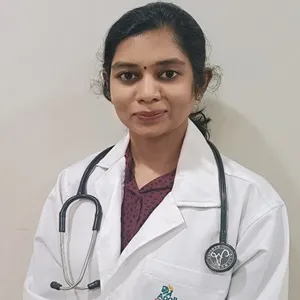
DR. ANITHA M
MBBS, DRNB Plastic S...
| Experience | : | 8 Years |
|---|---|---|
| Speciality | : | Plastic Surgeon/Gyna... | Location | : | Rajajinagar |
| Timings | : | Mon - Sun : 2:00 PM ... |
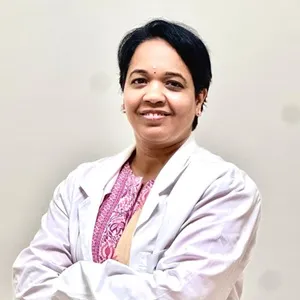
DR. SHEELA R
MBBS, MD(OBG & GNY)...
| Experience | : | 7+ Years |
|---|---|---|
| Speciality | : | Gynaecologist/Infert... | Location | : | HSR layout 2nd Sector |
| Timings | : | Mon to Sat : 9:45 AM... |

Copyright @ 2026,Apollo Cradle. All Rights Reserved