Monsoon Illnesses in Children: Common Risks and Essential Prevention Tips
June 17, 2026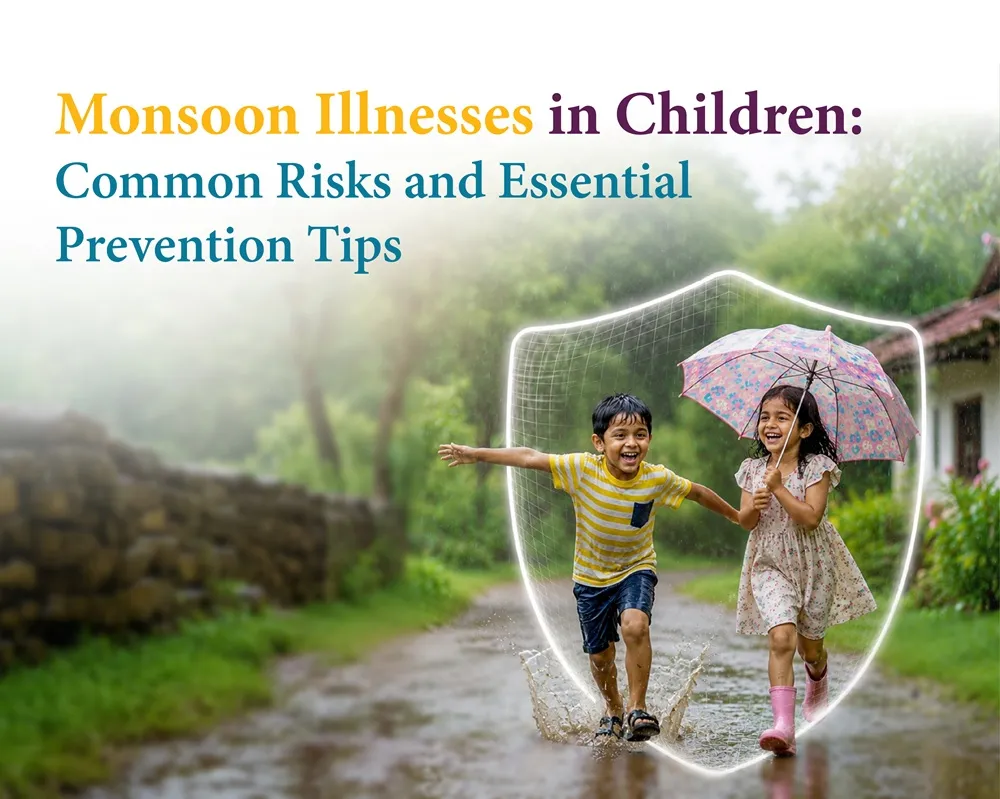
The arrival of the monsoon brings much-needed relief from the summer heat, but it also marks the beginning of a season when children become more susceptible to infections and illnesses. Increased humidity, waterlogging, and stagnant water create ideal conditions for the spread of viruses, bacteria, and mosquitoes, making it important for parents to take extra precautions.
Understanding the common health risks during the rainy season can help you protect your child and ensure they enjoy the monsoon safely.
Common Monsoon Illnesses in Children
1. Cold, Cough, and Flu
Frequent weather fluctuations and increased viral activity during the monsoon can lead to respiratory infections. Common symptoms include fever, cough, sore throat, runny nose, and body aches.
2. Dengue and Malaria
Stagnant water serves as a breeding ground for mosquitoes that transmit dengue and malaria. Children with these infections may experience high fever, severe headache, fatigue, muscle pain, and loss of appetite.
3. Gastroenteritis
Contaminated food and water can cause stomach infections, resulting in vomiting, diarrhoea, abdominal discomfort, and dehydration.
4. Typhoid
Typhoid is a bacterial infection spread through contaminated food and drinking water. It commonly presents with prolonged fever, weakness, stomach pain, and digestive disturbances.
5. Leptospirosis
Children who come into contact with floodwater or contaminated water sources may be at risk of leptospirosis, a bacterial infection that can cause fever, chills, muscle pain, and headaches.
How to Protect Your Child During the Monsoon
Maintain Good Hygiene
Encourage frequent handwashing with soap and water, especially before meals and after outdoor activities. Good hygiene remains one of the most effective ways to prevent infections.
Ensure Safe Drinking Water
Provide only boiled, filtered, or purified drinking water to reduce the risk of water-borne diseases.
Protect Against Mosquitoes
Use mosquito repellents, mosquito nets, and protective clothing. Regularly inspect your surroundings and eliminate stagnant water from containers, coolers, flower pots, and drains.
Focus on Nutrition
A balanced diet rich in fruits, vegetables, proteins, and fluids helps strengthen your child's immune system and supports overall health.
Dress Appropriately
Choose lightweight, breathable clothing and ensure wet clothes are changed promptly to prevent fungal infections and skin irritation.
Avoid Unhygienic Food
Limit consumption of street food and uncovered food items. Freshly prepared home-cooked meals are the safest option during the rainy season.
Keep Vaccinations Up to Date
Preventive vaccination can help protect children against certain seasonal illnesses. Consult your paediatrician regarding recommended vaccines such as Influenza and Typhoid.
When Should You Consult a Doctor?
Seek medical attention if your child experiences persistent fever, breathing difficulties, repeated vomiting, severe diarrhoea, unusual drowsiness, poor fluid intake, or signs of dehydration.
A Healthy Monsoon for Your Child
With a few simple preventive measures, parents can significantly reduce the risk of seasonal illnesses. Maintaining good hygiene, ensuring proper nutrition, protecting against mosquitoes, and staying alert to early symptoms can help children stay healthy and active throughout the monsoon season.

Copyright @ 2026,Apollo Cradle. All Rights Reserved