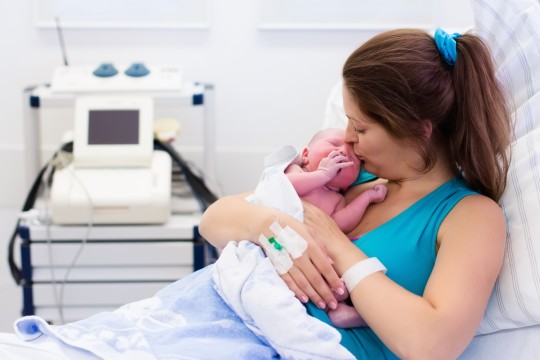
Postpartum bleeding (Bleeding after delivery) is very common in the first few weeks or months after birth. It is a sign of contraction and healing of the uterus. However, if the postpartum bleeding is more than normal, it might be because of Postpartum Hemorrhage (PPH). This can be life-threatening and require immediate medical attention.
It is a condition where you lose 500ml or more of blood after a vaginal delivery or 1000 mil of blood after a cesarean section. If this loss of blood occurs within 24 hours of childbirth, it is termed as early or primary postpartum hemorrhage. If the postpartum hemorrhaging occurs even after 24 hours, it is considered to be as late or secondary postpartum hemorrhaging. In most of the cases, PPH occurs within 24 hours after labor.
Postpartum hemorrhaging is the leading cause of maternal mortality. Although the rates of maternal mortality are quite low in the developed world, in countries where there is a lack of skilled healthcare providers along with poor transportation and emergency services, the numbers are much higher. Without proper medical attention, you can die within two hours of hemorrhaging. The World Health Organization suggests that as many as 25% of maternal deaths worldwide are caused by postpartum hemorrhage.
The primary cause of PPH is the uterus failing to properly contract and retract after birth. This is known as uterine atony.
Other causes of PPH include:
READ: The Ultimate Guide to Understanding and Navigating the Postpartum Period
Almost every woman who carries her pregnancy past 20 weeks gestation is at risk of experiencing PPH. almost two-thirds of women who had PPH have no identifiable risk factors. Here are some suggested factors that might increase the chances of hemorrhaging.
Depending on the severity of the hemorrhaging, there are several treatment methods available for postpartum hemorrhaging. This includes administering oxygen, massaging the uterus, or raising feet above the heart, known as the Trendelenburg position. Some drugs can be taken to stop bleeding like Methergine, Pitocin, and Hemabate. In rare cases, surgery might be required for stopping the bleeding. These surgeries include ligation of the uterus and the hypogastric artery (organs are joined together or hysterectomy (removal of the uterus). Both these surgeries will have repercussions on your fertility.
Due to the advancement of microsurgeries, a new technique named balloon occlusion with embolization is practiced. In this, to stop the bleeding immediately, a balloon is inflated in the uterus. Next, a catheter will be used for depositing tiny plastic particles into the uterine artery thus blocking the bleeding temporarily. Since the blood flow is stopped immediately, the need for blood transfusion is reduced.
READ: Top 5 symptoms of gynaecological disorders you should be aware of
If you can actively manage the third stage of labor, it can significantly reduce the occurrence of postpartum hemorrhage. Here are some steps you can take for preventing PPH:
Some women go through PPH in the initial weeks after labor. So, it is important to look out for postpartum bleeding and contact the doctor immediately after seeing any of the following:
Even if you don’t have any of the above-mentioned symptoms, you should contact your healthcare provider if you are worried about your postpartum bleeding.