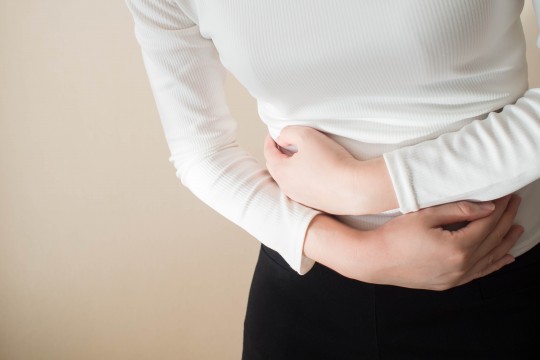
With labour pain and pregnancy, the mother might lose control over her bodily functions. Faecal incontinence or inability to control bowel movements and gas can be some of the common signs that women have to deal with. These are completely natural effects and there is nothing to be embarrassed about it.
The muscles that control the rectal movements and bowels are usually tapped into during a natural vaginal birth process. The pressure of pushing the baby out may temporarily leave the muscles sore and bruised. This makes it difficult for the body to contract the rectum during bowel activities. healing from this overstretching may cause irregular faecal incontinence and gas. Episiotomies (an incision made in the perineum to assist with giving birth) can also be attributed to a lack of bowel control.
READ: Constipation and Pregnancy
The faecal inconsistencies usually heal after the first few months of delivery, this is because the anus muscles are stretched and used every day to expel the bodily wastes. However, if the problem becomes serious and doesn’t heal naturally after a few months you might have to see a doctor about that.
The dietary changes usually help mothers tackle their bowel movements after pregnancy. This means that young mothers have to usually avoid spicy and oily food. The diet also plays a huge role in the health of the baby as the breast milk fed to the infant is produced from the food consumed by the mother. Eating low fat, low carb and high fibre diet with enough nutrients and vitamins is usually recommended by medical professionals. Other than that, there are Kegel exercises that can be used to strengthen the anus.